
Mount Rinjani Climbers to Undergo Mandatory Sembeq Buraq Ritual from Next Year
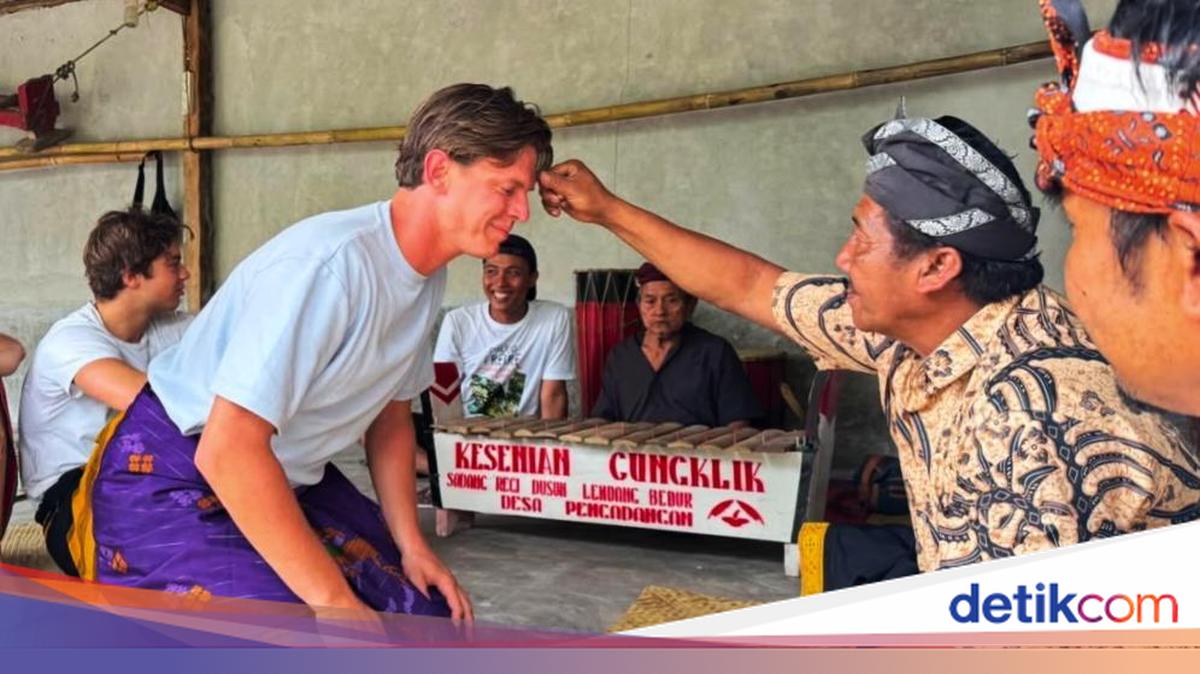
Prospective climbers of Mount Rinjani in East Lombok, West Nusa Tenggara (NTB), will be required to take part in the Sembeq Buraq ritual before making their ascent. The rule is targeted to come into effect from next year.
The head of South Rinjani Youth, Amrul Arahap, said the rule is currently being discussed at village level. The obligation to take part in the Sembeq Buraq ritual is intended to seek the blessing of customary elders before the climb takes place.
“In truth, this ritual has long been carried out by our forebears. The purpose of the ritual is to seek the blessing of the customary elders. That is why we are trying to apply it once more for prospective climbers; the technical details of how it will work are currently being discussed in the form of village awik-awik (customary regulations),” Amrul said on Sunday (26/7/2026).
Amrul explained that Sembeq Buraq is a tradition of the Sasak community that serves as a moral pledge for every climber to respect nature and obey customary law. During the ritual, climbers will be given an explanation of the prohibitions and taboos that must not be violated during the ascent.
Besides being required to take part in the customary ritual, prospective climbers, particularly those from outside Lombok and foreign tourists, will be directed to stay in residents’ homes. In this way, before climbing, tourists can visit a number of tourist attractions around the villages that buffer the southern route of Mount Rinjani.
“Of course, the residents’ homes to be occupied will first be properly arranged. In future, prospective climbers will be able to enjoy the tourist attractions in the buffer villages before or after climbing Mount Rinjani,” Amrul explained.
He added that South Rinjani Youth, together with the villages along the climbing route, is currently drawing up awik-awik as a shared guide.
“We are drafting awik-awik together with the villages along Rinjani’s southern route so that the concept of climbing based on environmental preservation, local culture and community empowerment has a solid foundation and can be applied sustainably,” Amrul said.
Amrul said the idea of combining climbing with local culture has received a positive response from the Gunung Rinjani National Park (TNGR) authority. He is targeting the drafting of the awik-awik to be completed by the end of this year so it can be implemented from next year.
“We have held audiences several times, and we have received the full support of the TNGR,” he said.
“We are targeting its implementation next year,” he added.