
Mount Marapi Erupts, Volcanic Ashfall Hits Bukittinggi and Agam
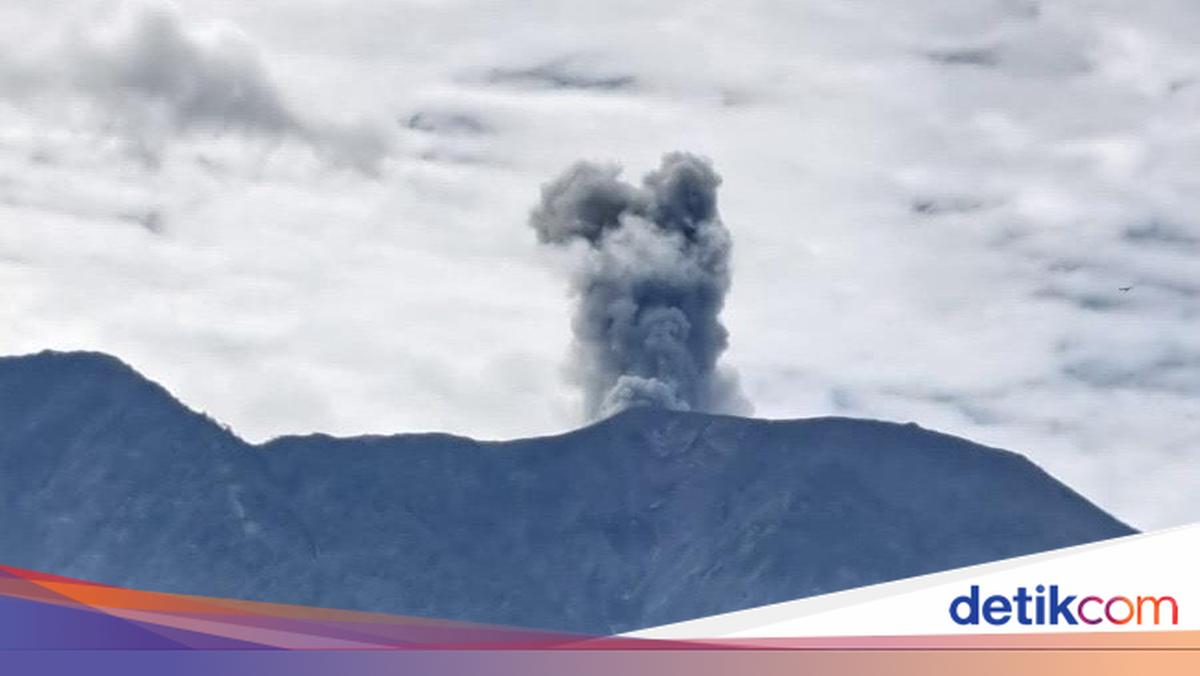
Mount Marapi in West Sumatra experienced an eruption last night. The eruption triggered volcanic ashfall in Bukittinggi City and Agam Regency.
“The roads are misty and covered in ash, clearly looking like a thin layer of sand that makes it difficult to breathe,” said a resident of Bukittinggi, Pakiah Farid (38), as reported by Antara on Sunday (27/09/202lar).
He noted that the ashfall lasted for approximately one hour, leaving material on all passing vehicles. Romi, a member of the Bukittinggi-Agam Local CORE Orari, also reported that the falling ash felt quite heavy.
“Just standing outside for a short time, the ash has already become this thick,” said Romi.
The eruption, which occurred at 9:40 PM, also produced incandescent lava that was captured on CCTV. According to information from the Marapi Volcano Observatory (PGA), the eruption occurred with a maximum amplitude of 30 millimetres and a duration of approximately 1 minute and 19 seconds. The height of the ash column could not be observed because the explosion took place at night.
The eruption was accompanied by loud booms and rumbles that startled residents in several areas. As of Saturday night, Mount Marapi, which stands at 2,891 metres above sea level, remains at Level II (Alert) status.
Bilal Alegro, an official from the Marapi Volcano Observatory in Bukittinggi, has urged the public, hikers, and tourists not to enter the area within a 3-kilometre radius of the eruption centre or the Verbeek Crater.
“Residents living along the valleys and river flows originating from Mount Marapi are also asked to be wary of the potential for lava floods, especially during the rainy season,” he said.
In the event of ashfall, the public is advised to use masks to reduce the risk of respiratory issues, protect eyes and skin, secure clean water sources, and clear ash accumulations from rooftops to prevent excessive weight.
“The public is also requested to follow official information from the government and not to easily believe information from unverified sources,” said Bilal.