
Mount Adeng Trekking Combines Natural Beauty and Spiritual Values
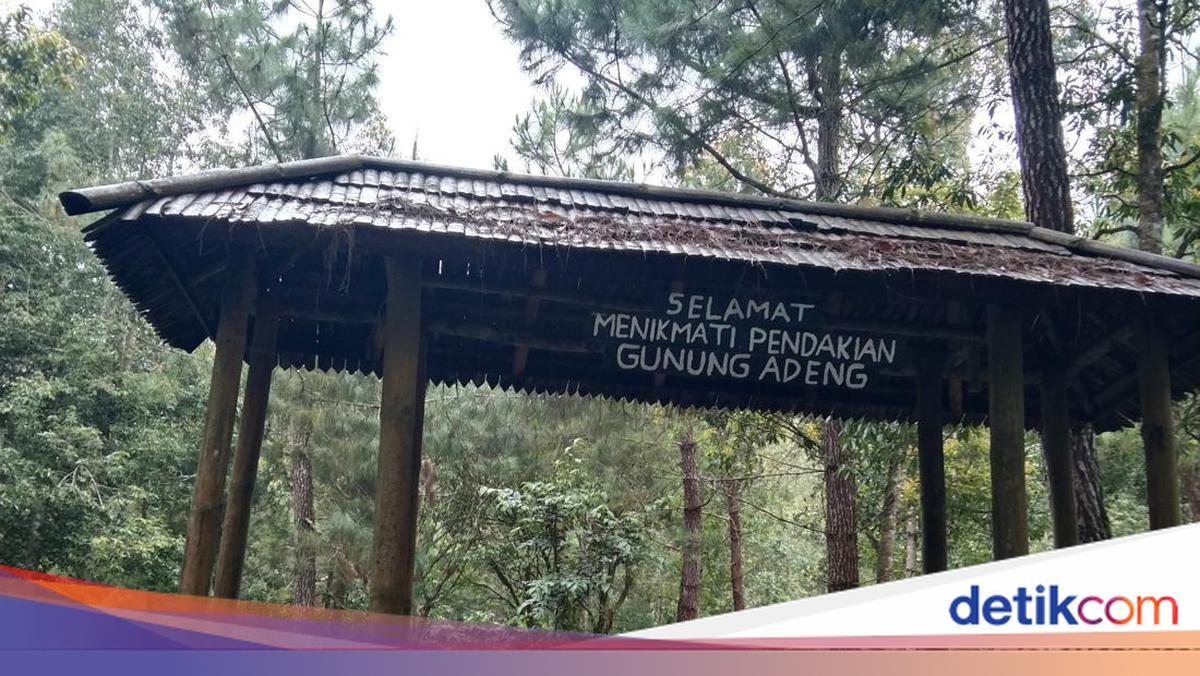
Gunung Adeng in Tabanan Regency, Bali, has become a new destination for nature lovers seeking a different trekking experience. This destination combines natural beauty and spiritual values with a calm and refreshing atmosphere.
“One of the main attractions of Mount Adeng is the Pura Pucak Adeng temple located at its peak. The temple serves as a spiritual destination for Hindus while providing a strong religious significance to the area,” explained I Wayan Sunarya, head of the Abang Lestari Forest Farmers Group (KTH), on Saturday (13/6/2026).
Mount Adeng is managed by the Abang Lestari Forest Farmers Group, which has 46 members and receives support from Banjar Abang, Baturiti Village, Tabanan. The area is part of a protected forest, with management permits issued by the Ministry of Forestry.
Sunarya said the Mount Adeng trekking route was first opened two years ago. After a rigorous permit process, the Ministry of Forestry granted the local community a licence to manage the conservation forest area.
According to Sunarya, the trek to the summit of Mount Adeng can be completed via one main route featuring three rest posts. Along the journey, trekkers are treated to dense vegetation and a pristine natural atmosphere.
Mount Adeng reaches an altitude of 1,802 metres above sea level. The management requires all trekkers to carry their rubbish back down with them. “This commitment has made the area known as one of the best-managed trekking routes in Bali in terms of cleanliness,” he said.
To trek Mount Adeng, visitors must pay a Conservation Area Entry Permit (Simaksi) fee of Rp 20,000 per person. Every trekker is required to register with clear personal data, state their trekking purpose, and report back after descending the mountain. Trekking hours are open from 3 a.m. to 6 p.m. local time. “On weekends, the number of visitors can reach around 100 people per day,” Sunarya added.
In the future, the management plans to develop an alternative route that can be used depending on seasonal conditions. This backup route is expected to provide a solution during the rainy season, offering gentler and safer terrain for trekkers.