
Motorised Becaks Begin to Be Destroyed in Yogyakarta
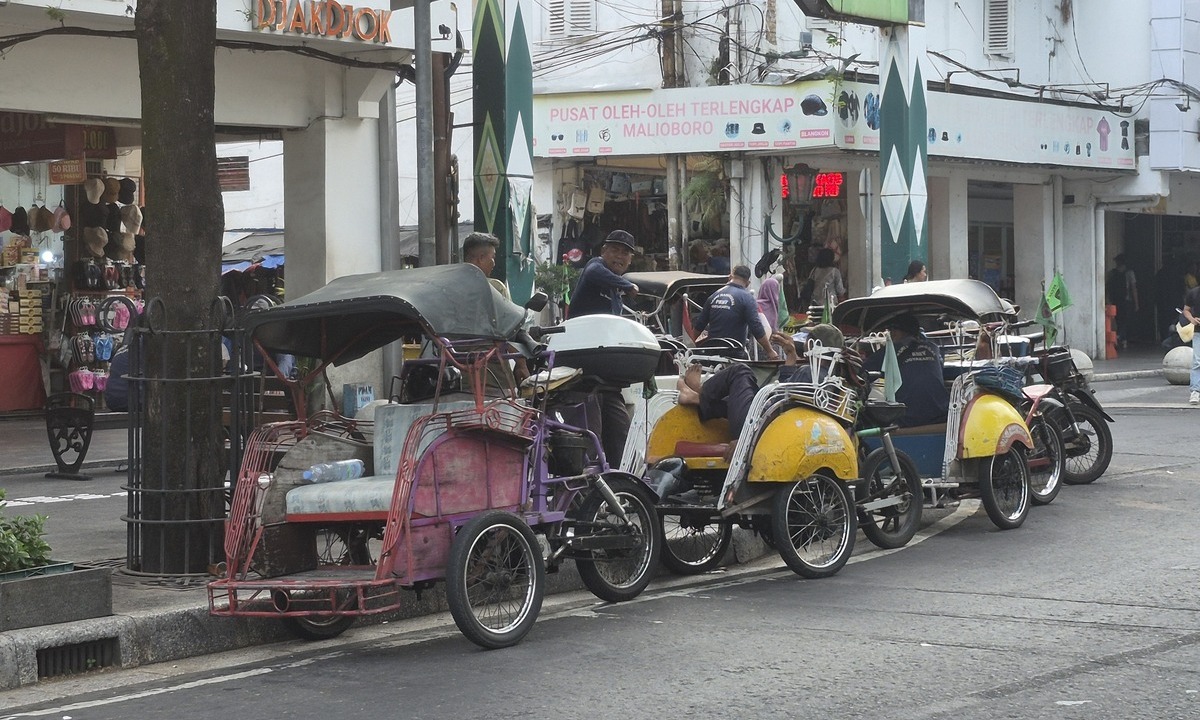
The Malioboro area in Yogyakarta is preparing to enter a new era of environmental friendliness. A project to procure electric tricycles to replace motorised rickshaws (bentor) will be rolled out gradually.
The Governor of DIY, Sri Sultan HB X, stated that the administration is listening to public feedback before the eco-friendly fleet is fully operational. The Sultan does not wish to rush the target of operating all electric tricycles in Malioboro. “It will be gradual, because the production and the engines must be manufactured. The plan is for one thousand (electric tricycles). We will take it step by step,” the Sultan said in Yogyakarta on Wednesday (3/6/2026).
For the Sultan, functional aspects and aesthetics must go hand in hand. He emphasised that the design, from the chassis to the seating area, must be truly environmentally friendly, aesthetically appropriate, and comfortable. “Is the seating comfortable? Specifically with this model, will women feel comfortable sitting there? Once such aspects are improved and everyone feels comfortable, the electric tricycles can be produced sustainably.”
On the other hand, Jagiyo, a rickshaw driver, expressed his happiness about using an electric tricycle, noting it is comfortable and less tiring to operate. “In the past, I had to pedal, and now, being old, I used a motor (bentor) for 20 years. Now, using an electric tricycle saves energy; being old, I am no longer strong enough to pedal. This (bentor) is being exchanged (for an electric tricycle) without any cost,” said Jagiyo, who has been a driver for approximately 40 years.
The Mayor of Yogyakarta, Hasto Wardoyo, stated that while the process is slow, the motorised rickshaws must eventually be phased out as electric tricycles are introduced. “In this way, our goal of realising the use of low-pollutant transport in the Yogyakarta Philosophical Axis will be achieved through electric tricycles,” Hasto explained following the handover of electric tricycles funded by PT KAI’s CSR programme.
The administration aims to continue the replacement up to 900 units within two years. Hasto noted that with CSR assistance and other parties, approximately 260 electric tricycles are already in use in Yogyakarta. While some are still undergoing trials for compatibility, all future production will be compatible with both users and the environment. Regarding charging stations, Hasto hopes for support from PLN, expressing readiness to cooperate with the state electricity company to ensure charging costs remain affordable.
He added that a condition for receiving these vehicles is that they must be managed through cooperatives rather than individuals. “The cooperative will provide control; we must ensure no new (bentor) are added. We have already locked this in,” he said. The authorities are also gradually destroying old motorised rickshaws. “As of today (3/6), 50 rickshaws have been destroyed,” he added, meaning that once drivers receive their electric replacements, the old motorised units are decommissioned to prevent new ones from entering the market.
The Head of the DIY Transportation Agency, Chrestina Erni Widyastuti, stated that the use of electric tricycles in Malioboro is part of the effort to establish a low-emission zone within the Yogyakarta Philosophical Axis. “The removal of motorised rickshaws implemented today is not merely a replacement of transport, but a part of reducing environmental pressure and realising a low-emission zone in the Yogyakarta Philosophical Axis area,” she said. This effort is expected to lower air pollution levels, create a healthier environment, and strengthen Yogyakarta’s image as a cultural city.
The Executive Vice President (EVP) of KAI Daop 6 Yogyakarta, Bambang Respationo, stated that PT KAI is committed to environmental programmes, including the CSR programme for electric tricycles. He noted that the procurement cost for the 50 electric tricycles from PT KAI’s CSR amounted to nearly Rp 1 billion. “Yogyakarta has a programme to replace those motorised rickshaws with more environmentally friendly electric versions,” he concluded.