
Motor Oil Prices Soar, Automotive Spare Parts Follow Suit
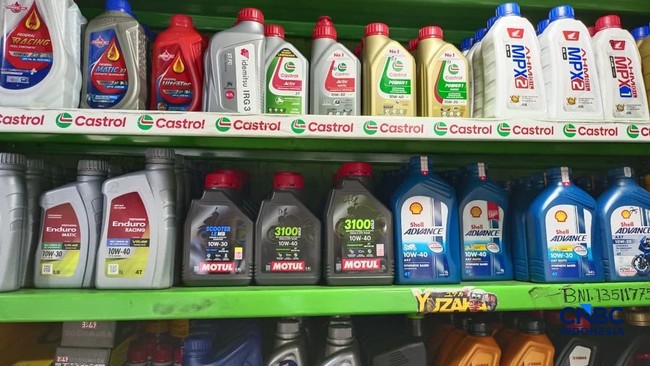
Jakarta, CNBC Indonesia - The recent increase in oil prices, which has drawn complaints from workshops and consumers, is not the only reality on the ground. The vehicle spare parts industry is also beginning to face similar challenges due to the weakening rupiah and dependence on imported raw materials.
“There are some, fast-moving parts such as batteries, filters, brake pads, that will certainly see adjustments if the raw materials are imported,” said Rachmat Basuki, Secretary General of the Indonesian Automotive Parts and Components Association (GIAMM), to CNBC Indonesia on Friday (12/6/2026).
This statement emerged amid the spotlight on the surge in oil prices occurring in various regions. Several workshops have admitted that oil prices have risen quite sharply in recent months, forcing them to adjust their rates to customers.
According to industry players, spare parts and lubricants have different characteristics. Not all components experience the same cost pressures, depending on the source of raw materials and their production structure.
Rachmat assessed that the oil sector is actually facing heavier pressure compared to some other automotive components. Besides being affected by the weakening exchange rate, lubricant products are also dealing with raw material supply issues.
“But for oil, it’s a double impact. Besides the raw materials being scarce now, the rupiah is also weakening,” he said.
Meanwhile, businesses that supply spare parts to manufacturers, such as GIAMM members, are still monitoring the situation, including the rupiah’s exchange rate against the US dollar. If the weakening trend continues, price adjustments may become inevitable.
This situation forces businesses to calculate more carefully to maintain their profit margins. On the other hand, they also face the challenge of preserving public purchasing power, which has not yet fully recovered.
“In the spare parts industry, most supply goes to the vehicle industry, so prices cannot be raised automatically. It depends on the contract and when the review is, usually every six months,” Rachmat stated.