
Motivations Behind Motorized Rickshaw Drivers' Request for Relief Amid Malioboro 24-Hour Pedestrianisation Plan
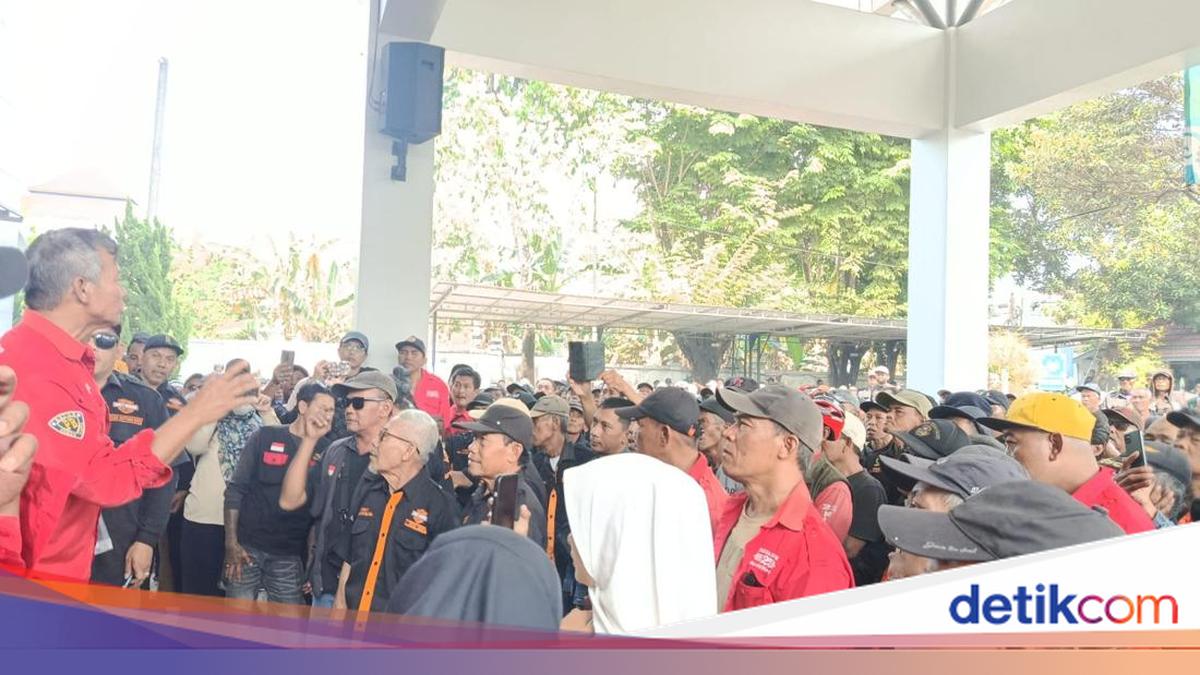
Motorised rickshaw (bentor) drivers visited the Yogyakarta Department of Transportation office to express their concerns regarding the plan to implement a 24-hour full pedestrian zone on Malioboro Street starting this November.
The Chairman of the Yogyakarta Motorised Rickshaw Association (PBMY), Parmin, stated that while they fundamentally support the government’s plan to revitalise Malioboro, the policy must be accompanied by solutions for drivers who rely on the area for their livelihoods. “There is no issue. We support the full pedestrianisation to achieve the government’s programme. However, we must not be sacrificed,” Parmin told reporters at the DIY Transportation Office on Thursday.
Consequently, Parmin requested that the government allow motorised rickshaws to continue operating in Malioboro until all drivers have obtained replacement vehicles. “As long as our colleagues have not received electric rickshaw assistance from the government, please allow them to earn a living along the pedestrian route. Do not simply close it off,” he added.
Furthermore, the PBMY is requesting that access to several side streets connected to Malioboro not be completely closed during Car Free Day (CFD) events. Parmin suggested that at least half of the road remains usable to allow rickshaws to pass. He noted that weekend closures directly impact driver income, as Saturdays and Sundays see the highest volume of tourists.
An average driver earns approximately Rp 100,000 per day under normal conditions, with an estimated 900 motorised rickshaws operating in the Malioboro area. Parmin also highlighted that many of the 80 electric rickshaws previously distributed by the government are currently broken, with 40 to 50 units non-functional due to engine issues.
The Head of the DIY Transportation Department, Chrestina Erni Widaystuti, responded to the grievances, stating that the drivers’ aspirations would be conveyed to the DIY Regional Government. “If the aspiration is to have half of the road remain accessible, we will communicate this. We will convey your aspirations so that a policy can be formed that supports the needs of those on the ground,” she said.