
Mother of Santri Victim in Lombok: My Child Was Burned Alive Until Death
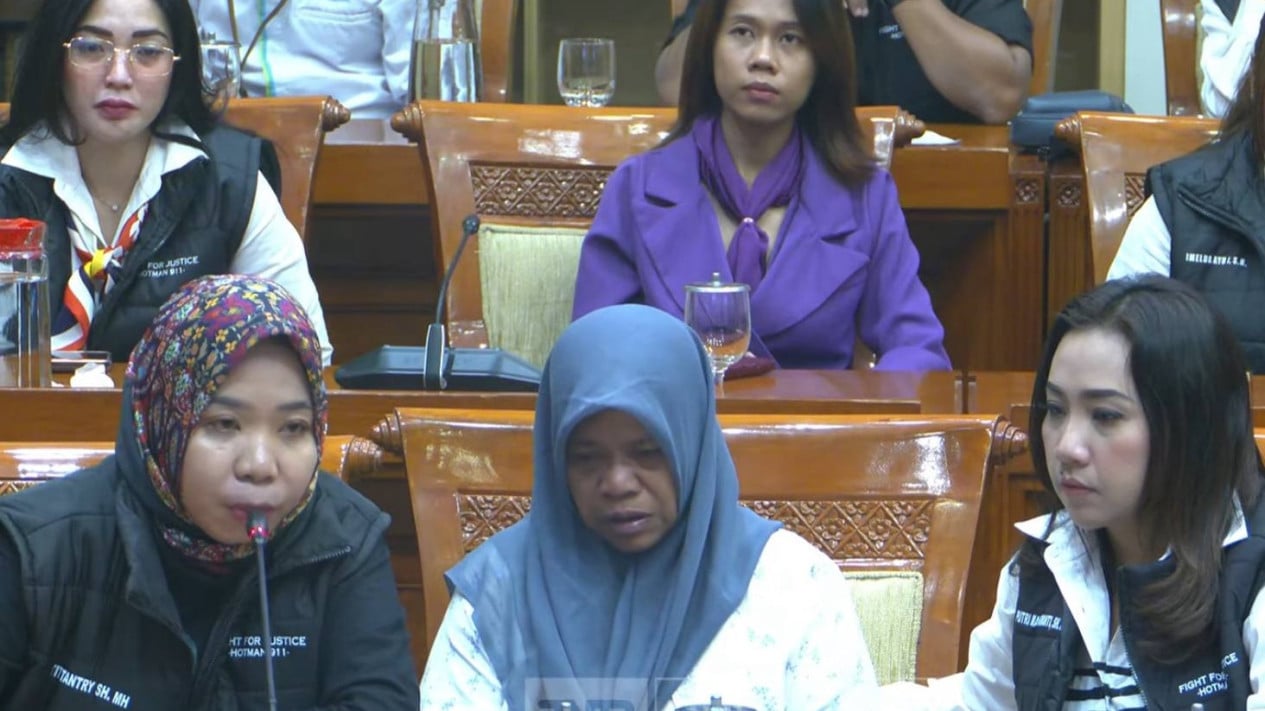
The family of victims in the burning of a student at the Rosyidatusshaulatiyyah Al Ibrahimy Islamic boarding school (pesantren) in Central Lombok, West Nusa Tenggara (NTB), attended a hearing with Commission III of the Indonesian House of Representatives at the Parliamentary Complex in Senayan, Central Jakarta, on Monday, 13 July 2026.
During the audience, the mother of one of the victims, initials SS, poured out her devastated feelings at seeing her child burned alive until he died.
“I am merely a poor village old woman, who has no wealth, and now my body is frail and I can no longer even walk properly. Because my heart is shattered seeing my son Sahril Sobirin burned alive until he died,” said the victim’s mother through a letter read by her legal counsel, Titi Tantry, during the audience meeting.
She revealed that her son had gone to the pesantren with the intention of studying religion and becoming a good person. Not to be tortured to death.
“My son went to the pesantren to learn religion so he could become a good child, not to be tortured, stripped naked by the son of the pesantren owner, and then burned to death,” she said.
She also called on President Prabowo Subianto to intervene in the case. Moreover, she said, there were rogue police officers who had offered a reconciliation letter to cover up the burning case that killed her son.
“I plead with you, Mr President, please send your trusted people from Jakarta to examine the rogue police officers and regional officials who helped bury the blood of my son. Please make sure the law does not discriminate, even though the perpetrators are the sons of the religious teacher or the pesantren owner,” she concluded.
Source: jawawa.id (https://jawawa.id/newsitem/mother-of-santri-victim-in-lombok-my-child-was-burned-alive-until-death-1783943561)
Originally published by VIVA.co.id (https://www.viva.co.id/berita/nasional/1913185-ibu-korban-santri-di-lombok-anak-saya-dibakar-hidup-hidup-sampai-meninggal), translated from Indonesian