
Most Level-Crossing Accidents Occur at Unattended Sites; KAI Urges Road Users to Give Trains Priority
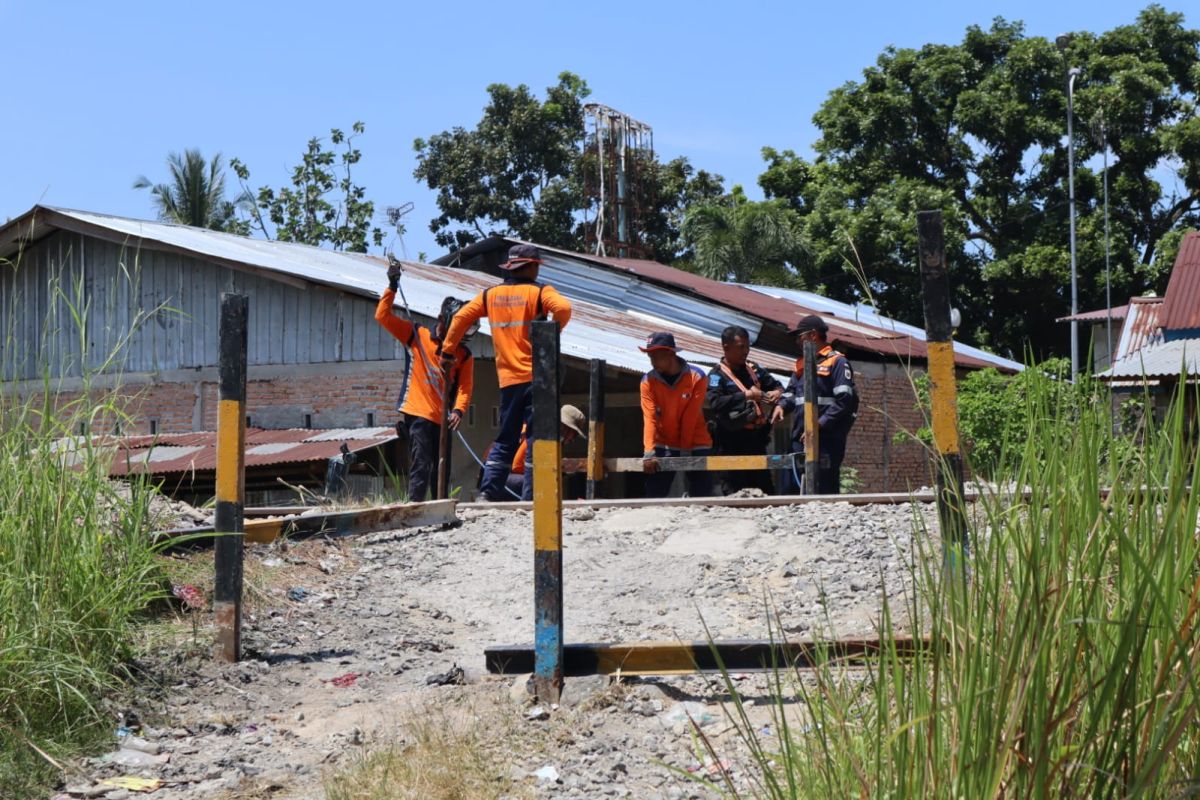
Jakarta (ANTARA) – Safety at level crossings is once again in focus ahead of the increase in public mobility at the end of the year. KAI data for the period from 2023 to 11 August 2026 show that around 67 per cent of accidents at level crossings occurred at unattended sites, while the remaining 33 per cent took place at attended crossings. There were 747 incidents at unattended crossings and 368 at attended crossings during the period.
KAI Vice President of Corporate Communications Anne Purba said the figures showed that the provision of safety facilities must go hand in hand with road users’ compliance.
“Barriers, signs and staff all play an important role, but road users’ decision to stop and give trains priority remains the most decisive factor at a crossing,” Anne said.
KAI records 3,674 level crossings nationwide. From 2021 to April 2026, KAI and other stakeholders closed 1,329 illegal crossings, including 44 closures between January and April 2026.
The 2026 safety improvement programme also covers 190 locations designated as level-crossing posts (JPL), requiring 748 crossing guards (PJL) across KAI’s regional operations areas and divisions. The process includes building guard posts, preparing personnel, certification and providing supporting equipment. In a progress report dated 28 September 2026, civil works were under way at 183 of the 190 locations, while modular facilities, signs, barriers and communications equipment were being installed in stages.
The government has also made the organisation of level crossings a national safety priority. In April 2026, the Ministry of Transportation announced that it was accelerating the inventory of crossing status, road authority and guarding conditions, as well as determining priorities for action with KAI.
The rules for road users are clear. Article 114 of Law No. 22/2009 requires drivers to stop when a signal sounds, a barrier begins to close or another warning is given; give way to trains; and give priority to vehicles that have already begun crossing the tracks.
Anne reminded the public that crossing barriers are intended to protect train operations. Road users must still check that it is safe before entering a crossing and avoid attempting to pass through, as trains require a different braking distance from road vehicles.
KAI, the central and regional governments, police, communities and the public continue to carry out physical improvements and safety education in various areas. Efforts are focused on high-risk locations, illegal crossings, staff readiness and road-user compliance.
“At a crossing, the safest choice is always the same: stop, check the situation and give trains priority,” Anne concluded.
Source: jawawa.id (https://jawawa.id/newsitem/most-level-crossing-accidents-occur-at-unattended-sites-kai-urges-road-users-to-give-trains-priority-1791450219)
Originally published by Antara (Indonesian) (https://www.antaranews.com/berita/5776676/mayoritas-kecelakaan-perlintasan-terjadi-di-titik-tak-dijaga-kai-ingatkan-pengguna-jalan-dahulukan-kereta-api), translated from Indonesian