
Mossad's Failed Operation to Topple Iranian Regime Using Ahmadinejad and Kurdish Forces
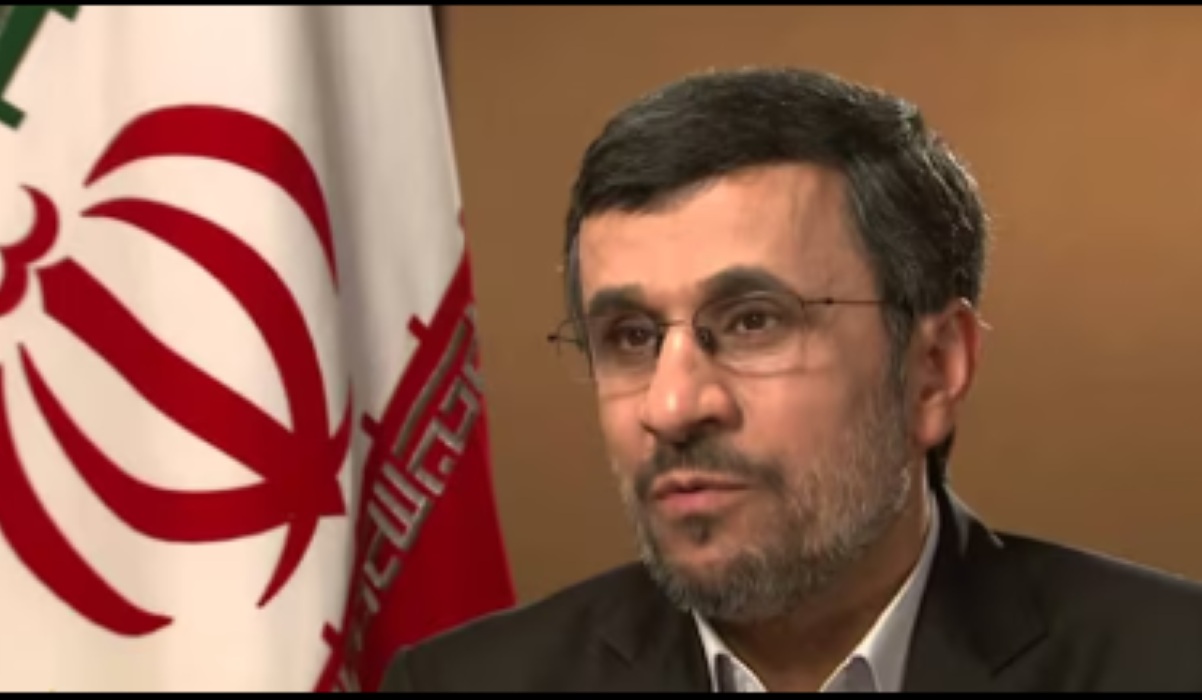
An international airport in another part of the world bore silent witness to the landing of a Mossad team. As they activated their phones, they were greeted by horrific news: hundreds had died on the Gaza border, several Israelis were taken hostage, and the entire area was under Hamas control. Yet, the shock quickly gave way to the steadfastness of their primary mission: to recruit Mahmoud Ahmadinejad, the former Iranian president and one of Israel’s greatest enemies, to collaborate with Mossad. This unimaginable relationship had begun to form a year earlier. Mossad gathered intelligence indicating a surprising shift in Ahmadinejad’s views. The man once known as a Holocaust denier who called Israel a satanic entity had, after leaving office in 2013, emerged as a vocal critic of the ayatollahs’ regime. Israeli officials were particularly attentive to Ahmadinejad’s belief that Iran could not survive under international sanctions and that its nuclear programme was a burden. Mossad Director David Barnea personally oversaw the operation. By early 2026, Ahmadinejad had become Israel’s most valuable asset in a plan to overthrow the Tehran regime, code-named Operation Puss in Boots. The ambitious plan included several strategic elements. The success of Syrian rebels in overthrowing Bashar al-Assad in late 2024 inspired Prime Minister Benjamin Netanyahu. He urged Mossad to replicate the model by deploying boots on the ground via Kurdish militias. However, security experts warned that comparing devastated Syria to Iran, an economic power of 90 million people, was a loss of contact with reality. Mossad pressed on, mapping Kurdish groups and training around 16,000 fighters in Iraq with weapons seized from Hezbollah. The plan was for these forces to invade western Iran under the cover of Israeli airstrikes, seizing cities like Kermanshah and Marivan, and triggering a mass uprising that would install Ahmadinejad as the new leader. In February 2026, Netanyahu presented the plan to the White House. Although President Donald Trump initially showed interest, his advisors reacted harshly. Vice President JD Vance was sceptical, while CIA Director John Ratcliffe called the plan a joke. Trump ultimately decided against giving the green light for Kurdish involvement. Without explicit US backing, the Kurdish militias refused to move, unwilling to become easy targets after past betrayals by Washington. When joint US-Israeli airstrikes were finally launched in March 2026, they successfully crippled many targets and killed Supreme Leader Ali Khamenei. However, the key elements of the Mossad plan, the Kurdish invasion and minority uprising, never materialised. A final attempt by Mossad to trigger protests during the Chaharshanbe Suri festival in April 2026 was rejected by Military Intelligence as too risky and unrealistic. The dream of placing Ahmadinejad in power evaporated. An investigation involving over 30 senior sources revealed that Operation Puss in Boots was a colossal Mossad failure. Former Mossad Director Tamir Pardo asserted that a regime change plan requires at least a decade, not a few months. ‘Anyone who says they can bring down a regime in a short time, they don’t know what they’re talking about,’ he stated. Israel now faces the reality that despite the successful airstrikes, the Iranian regime may not only survive but emerge stronger if international sanctions are eased. Netanyahu’s ambition to redraw the Middle East’s political map through a covert operation ended as a narrative of victory for Tehran.