
Mosquitoes Feel More Numerous During Dry Season, Here's Why
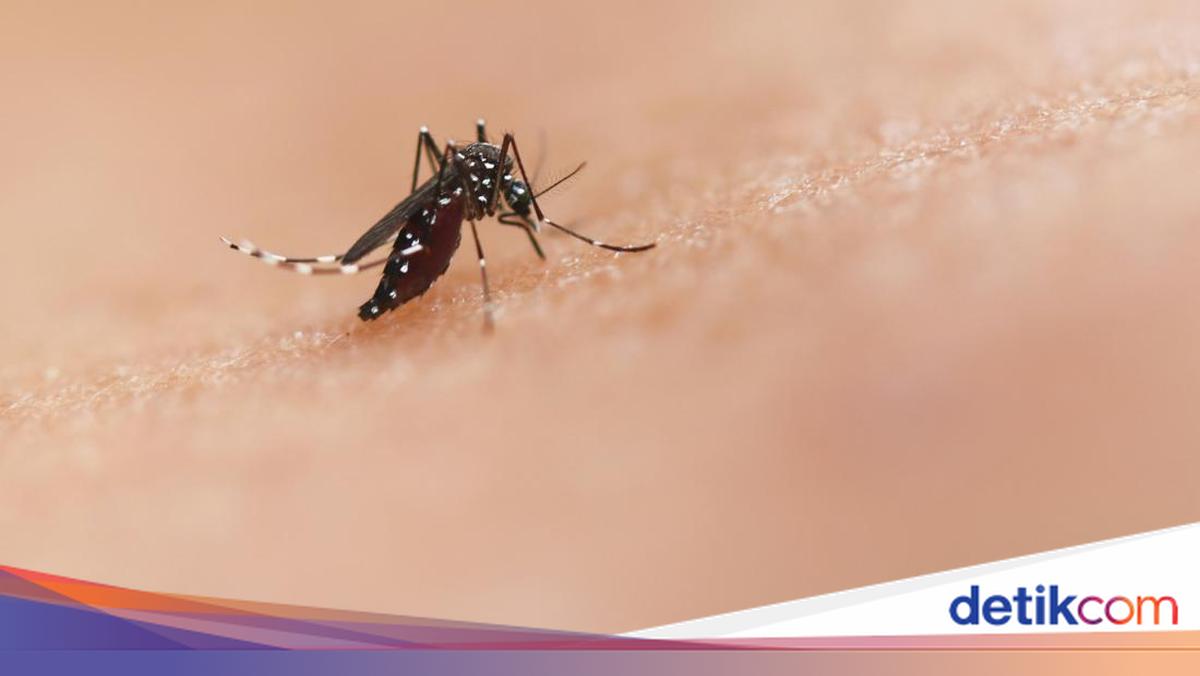
Recently, many netizens have complained that mosquitoes seem to be more numerous. Yet Indonesia is currently in the middle of the dry season. This condition feels strange to netizens because mosquitoes have long been associated with the rainy season, as they require water to breed.
So why can mosquitoes still roam about when the weather is hot and rainfall is reduced?
A number of studies show the answer is not as simple as dry season meaning fewer mosquitoes. Particularly for Aedes aegypti, the mosquito that can transmit dengue haemorrhagic fever (DHF), its eggs have an extraordinary ability to survive dry conditions.
However, it should be noted that the flood of complaints on social media is not yet scientific evidence that the mosquito population in Indonesia is surging nationally. There are a number of factors that can allow mosquitoes to survive or feel more bothersome during the dry season.
Aedes aegypti eggs are resistant to dryness
The World Health Organization (WHO) explains that Aedes aegypti breeds in water-filled containers commonly found around human dwellings. It is important to note that Aedes aegypti eggs do not die immediately when the water dries up.
“The eggs can survive in very dry conditions and remain alive for months,” according to the WHO’s explanation regarding Aedes aegypti.
The eggs can then hatch when they come into contact with water again. As a result, the dry season does not automatically break the mosquito’s life cycle.
This ability has also been proven through research. A study published in the Journal of Vector Ecology tested Aedes aegypti eggs under three drought conditions for up to 367 days.
The results were astonishing. Egg survival rates remained above 88% under all conditions up to 56 days. Even after one year, around 2-15% of the tested eggs were still alive.
Another study published in PLOS Biology in 2023 revealed the mechanism behind this ability. When facing drought, Aedes aegypti embryos undergo metabolic changes, including in lipid utilisation, which helps the eggs survive water loss. This means eggs attached to the walls of buckets, pots, tubs or other containers can wait until conditions allow them to hatch again.
Dry season benefits Aedes aegypti
There is another interesting finding. A study on Aedes aegypti and Aedes albopictus found that warm and dry conditions can provide an ecological advantage for Aedes aegypti compared to its competing species.
The research found that the presence of Aedes aegypti in containers actually increased as average temperatures rose and the dry season lengthened. Conversely, the presence of Aedes albopictus tended to decrease as temperatures and the number of dry months increased.
The latest research published as a preprint in January 2026 also shows that the ability of Aedes aegypti eggs to withstand drought differs between populations.
Interestingly, mosquitoes from urban environments with a high preference for humans showed higher egg survival rates under prolonged dry conditions. Researchers noted that dry season temperatures are one of the factors that can predict egg tolerance to drought. As it is still a preprint, this finding has not yet undergone the journal peer review process.
Source: jawawa.id (https://jawawa.id/newsitem/mosquitoes-feel-more-numerous-during-dry-season-heres-why-1787205057)
Originally published by detikBali (https://www.detik.com/bali/berita/d-8626700/nyamuk-terasa-makin-banyak-kala-musim-kemarau-ini-penyebabnya), translated from Indonesian