
Mortgage Upgraded: BTN Drives Asset Tokenisation and Digital Ecosystem
Jakarta (ANTARA) - PT Bank Tabungan Negara (Persero) Tbk (BTN) is a pioneer in mortgage asset securitisation in Indonesia through Collective Investment Contracts for Asset-Backed Securities (KIK-EBA) and Asset-Backed Securities in the form of Participation Certificates (EBA-SP), in collaboration with PT Sarana Multigriya Finansial (Persero) (SMF). These instruments were created to address the classic issue of maturity mismatch, namely the use of relatively short-term funding to finance long-term credit, typically spanning 15 to 20 years.
BTN Director of Network and Retail Funding, Rully Setiawan, explained that experience in securitisation has provided lessons that instruments such as KUL-EBA and EBA-SP do not only function to manage maturity mismatches but can also expand funding sources and create space for the bank to redistribute housing finance.
The same principle remains relevant when discussing tokenisation. While the technology changes, the fundamentals do not. The underlying assets must be high-quality, transaction structures must be transparent, governance and investor protection must be robust, and the entire process must remain within regulatory corridors.
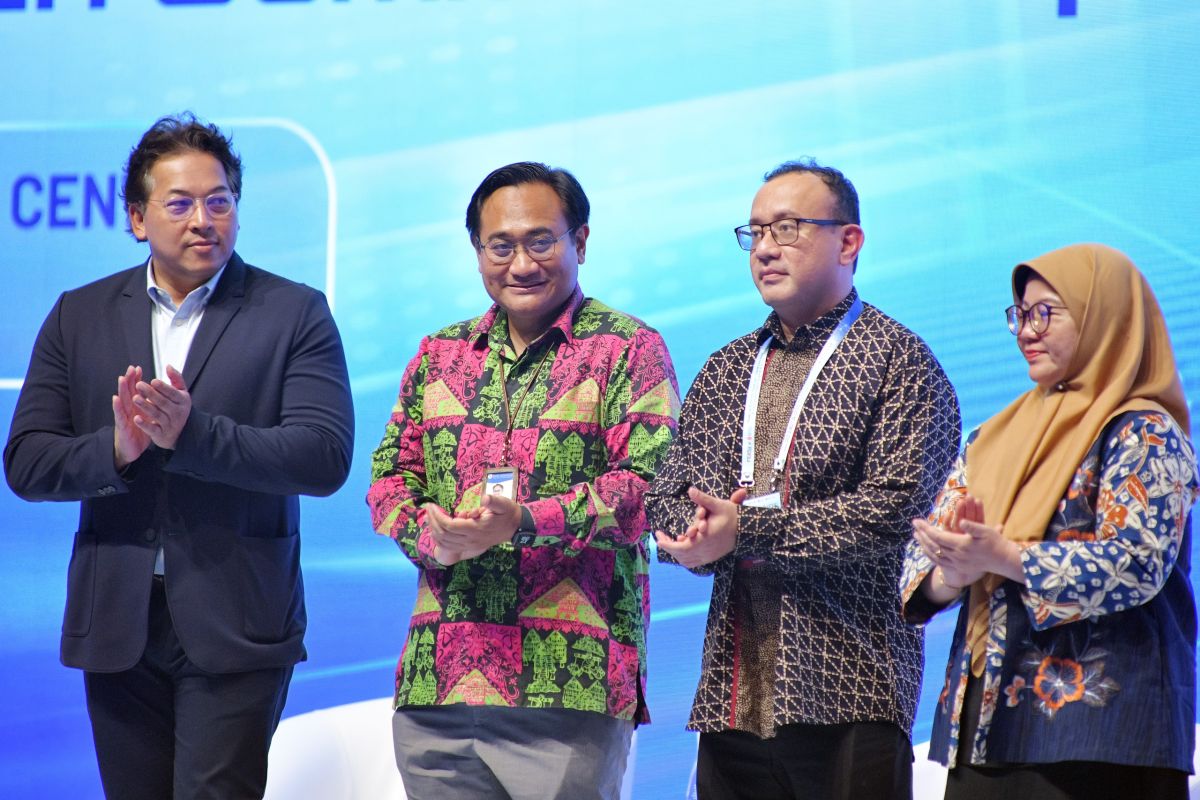
“We see that tokenisation has the potential to open access to wider funding sources through the digital representation of assets,” said Rully during the Indonesia Digital Financial Economy and Fintech Summit & Expo (FEKDI x IFSE) 2026 at the Jakarta International Convention Centre (JICC) on Thursday (24/9).
However, he noted that the process should not stop at asset digitalisation. Rully emphasised that the ultimate value must return to the real sector. In BTN’s context, such innovation is expected to strengthen funding capacity and support broader housing finance.
“In the future, use cases could also evolve, for example, to assist in monetising certain assets, including problematic assets, provided that the legal structure, valuation, investor protection, and regulatory aspects are adequate,” Rulley said.
To ensure the benefits of tokenisation truly return to housing finance, several elements must be prepared. First, the infrastructure and digital ecosystem must be capable of guaranteeing data security, recording, and asset management. Second, transaction structures must provide certainty regarding asset ownership, investor rights, and payment mechanisms.
Third, Rully continued, is the quality of the underlying assets themselves, including the quality and standardisation of mortgage data. Equally important is building an investor base gradually through transparency and education.
Regarding risks, at least four areas require close attention: operational and cyber risks; risks inherent in the underlying mortgages; liquidity risks, as tokenisation does not automatically create a liquid secondary market; and investor protection risks.
According to Rully, the principle is simple: the easier an asset is accessed and traded digitally, the higher the demand for transparency, governance, and investor protection. Tokens must not become highly liquid if the underlying assets and legal structures remain unclear.
“Therefore, for BTN, the success of tokenisation is not measured by how many assets are successfully tokenised, but by how far this innovation can expand investor access, create more efficient funding, and ultimately increase housing finance capacity,” he explained.
Beyond Mortgage and BTN’s Digital Transformation
For BTN, ‘Beyond Mortgage’ does not mean abandoning its DNA as a housing bank, but rather expanding its relationship with customers beyond mortgage needs. Currently, BTN is increasingly present in customers’ daily lives, including through various lifestyle activities such as the Jakarta International Marathon, Indonesia Fashion Week, Wonderful Indonesia Gastronomy, and entertainment like Gun N’ Roses.
“This means BTN’s relationship with customers no longer only occurs when they purchase or pay for a house, but also through various daily activities and needs,” Rully stated.
Moving forward, BTN intends to bring this relationship into a digital ecosystem. Through ‘balé by BTN’, the bank aims to be a financial partner for customers, not just for mortgages, but also for transactions, savings, payroll, payments, merchants, investments, and various other financial solutions.
Thus, digitalisation serves as an enabler to make BTN’s services closer, easier, more personal, and available in the daily lives of customers. Ultimately, BTN aims to be more than just a bank used when customers need a home, but a bank that remains relevant through every phase of a customer’s life.
“Therefore, digitalisation for us is not merely moving services to an application. More than that, digitalisation is about how BTN can be more present, more relevant, and provide value in the daily lives of the community,” Rully concluded.