
Moringa Leaves Prove Effective in Filtering Microplastics from Water
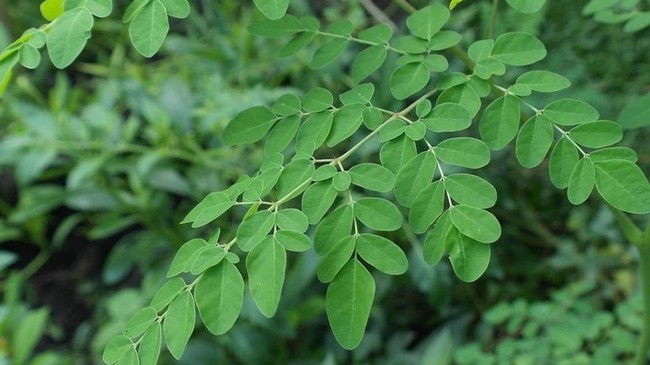
Plastic pollution has become a pressing human health issue, but recent research has shed light on a potential solution using the remarkable moringa tree, often dubbed the ‘miracle tree’. The plant, which is associated with mystical beliefs in Indonesia, is rich in nutrients and has proven highly efficient at removing microplastic content from drinking water. Scientists from Brazil and the UK discovered the benefits of extracts from the seeds of the fast-growing tree, finding its effectiveness comparable to commercial chemicals used for filtering microplastics. The study, published in April 2026, highlights the significant potential of using natural materials to replace chemical coagulants in water treatment systems. Adriano Gonçalves dos Reis, the study’s author and a professor at the São Paulo State University’s Institute of Science and Technology, explained that the moringa tree has actually been used to purify water for thousands of years by the ancient Greeks, Romans, and Egyptians. He and his colleagues have spent a decade researching moringa seeds as a natural ‘coagulant’ that causes tiny particles in water to clump together, making them easy to filter out. The research focused on testing PVC microplastics, known to be one of the most hazardous types commonly found in tap water. They tested particles averaging 18.8 micrometres in size, roughly a quarter of the thickness of a human hair, and found astonishing results in the filtration system. The moringa seed extract was 98.5% effective at removing microplastics from tap water when used in a filtration system, an efficiency comparable to aluminium sulphate, or alum, commonly used in water treatment plants. A key advantage of using moringa seeds over alum is that they are renewable, easily biodegradable, and do not produce large amounts of sludge waste. Furthermore, using this natural seed reduces the risk of toxicity, as high levels of aluminium have often been linked to neurodegenerative diseases. Matthew Campen, a professor of pharmaceutical sciences at the University of New Mexico Health Sciences Center who was not involved in the study, commented on the economic value of the discovery. He noted that replacing aluminium-based filtration systems with natural products could offer a cheaper and more sustainable solution for PVC microplastic removal. However, the research has limitations for large-scale application, as a single moringa seed can only treat about 10 litres of water. This means a massive quantity of seeds would be required for large urban water treatment plants with very high flow rates. Gonçalves dos Reis added that while promising, the technique might be most useful for small communities or places where chemical coagulants are difficult to access. Further research is needed to understand how the moringa seed extract degrades, what happens to the captured PVC, and the cost-effectiveness of mass application. Meanwhile, in Indonesia, moringa cultivation is already underway for economic purposes in both rural and urban areas. According to data from the Indonesian Export Financing Agency (LPEI), from January to September 2024, moringa-based exports reached a volume of 4,350 tonnes, valued at US$13.75 million, with main markets including China, Malaysia, Japan, and the Middle East.