
More Than Just Saving: Three Keys to a Happy Retirement
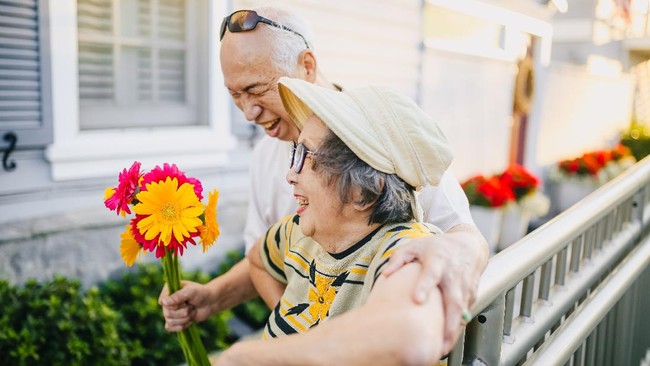
Retirement can feel monotonous for some people, as the busy routines maintained for many years suddenly come to an end. Consequently, we are often reminded to prepare for retirement early. This preparation is not just about ensuring financial security, but also about how to maintain a happy and meaningful life after no longer working.
Many financial advisers suggest that the public should save and invest diligently from an early age. The goal is to ensure that living requirements continue to be met when entering retirement. However, money is not the only factor that determines happiness in old age. There are several habits that also need to be developed while still actively working.
“As a younger financial adviser, I see many people reaching major financial milestones and having plenty of money, yet they still feel something is missing,” said Wes Moss, managing partner at Capital Investment, as quoted from CNBC International.
According to Moss, there are several factors more commonly found in people who enjoy their retirement. Therefore, preparation for old age should not focus solely on finances. Here are three habits that can be built starting now:
- Invest Early
Moss recommends building an investment portfolio from an early age. The size of the portfolio required varies for everyone, depending on the duration of retirement, other sources of income, as well as individual living costs and lifestyles. One frequently used guideline is the 4% rule. Under this rule, an individual withdraws approximately 4% of their retirement portfolio each year, adjusted for inflation, to help ensure funds do not deplete too quickly during retirement.
- Find Interests or Hobbies
Retirement does not mean ceasing all activity. On the contrary, this period can be an opportunity to pursue interests or activities that were previously difficult to undertake due to work commitments. A 2025 CGK Research survey found that happy retirees reported having five or more primary activities that provide them with a sense of purpose and satisfaction. Therefore, Moss suggests starting to think about things one has always wanted to do but has not yet had the chance to try or learn. “Writing those things down on a piece of paper is a powerful exercise,” said Moss. This way, an individual has a clear picture of activities to engage in upon retirement, rather than losing all routine after stopping work.
- Build a Community
Retirement should not necessarily mean loneliness. Having social relationships and a community of friends can be a source of happiness in old age. “To be able to enjoy retirement happily, we must be able to maintain a friendship community of a certain size,” said Moss. According to him, having at least five friends can help a person enjoy retirement more happily. Therefore, building and maintaining social relationships should not only begin when entering retirement. Much like financial investment, a community also needs to be built early on.