
More Than Just Cigarettes: Tobacco Could Become a Raw Material for Medicines, Cosmetics and Bioenergy
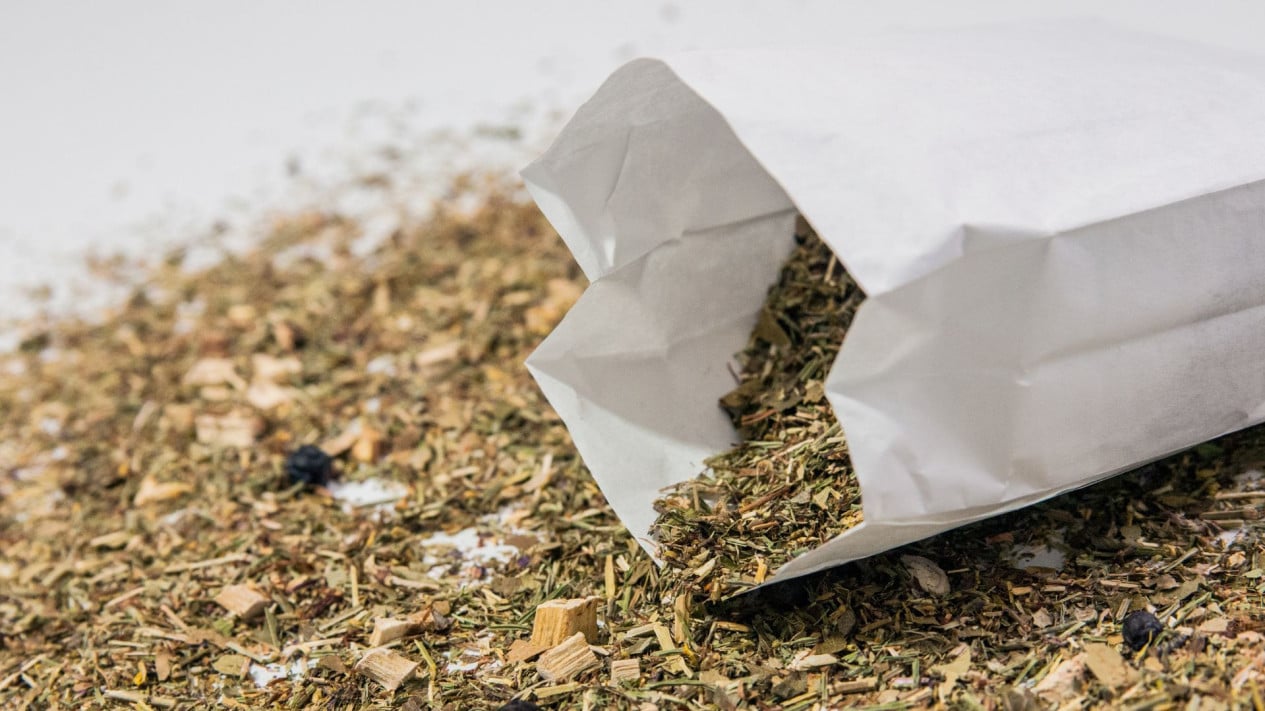
Jakarta — Downstream processing of tobacco could open up new economic opportunities for Indonesia. The commodity, best known as a raw material for the cigarette industry, contains biomolecules that could be used across a range of industries, from pharmaceuticals and cosmetics to agriculture, renewable energy and environmentally friendly materials.
Developing tobacco-based derivative industries is seen as one way to increase the added value of plantation commodities. With support from research, extraction technology and modern processing, various parts of the tobacco plant could be used not only in consumer products but also to produce higher-value industrial raw materials.
In Indonesia, discussions about tobacco have largely focused on the tobacco-products industry, including cigarette production and state revenue from tobacco excise. However, the tobacco plant, or Nicotiana tabacum, contains a range of compounds that could be developed further through downstream processing.
Tobacco leaves contain biochemical components including alkaloids, proteins, lipids, polyphenols, cellulose and chlorogenic acid. These compounds offer potential for using tobacco as a raw material in a variety of non-cigarette products.
Tobacco processing could serve pharmaceutical and cosmetics industries
One sector with potential for development through tobacco processing is pharmaceuticals and biotechnology. Tobacco plants have long been studied because they can be used as organisms to produce certain proteins through genetic engineering.
This approach is known as molecular farming. Using this technology, tobacco plants can be engineered to produce recombinant proteins, antibodies and potential biological ingredients for developing vaccines and medical products.
Nicotine can also be extracted and purified to pharmaceutical standards. Nicotine of controlled purity and dosage can be used in nicotine replacement therapy (NRT) products, such as patches, chewing gum and inhalers, to help people quit smoking.
However, these applications require purification, safety testing and strict supervision, as nicotine is addictive and can have toxic effects.
Further opportunities lie in the cosmetics and personal-care industries. The polyphenols and flavonoids in tobacco are being studied for the development of antioxidant and anti-inflammatory ingredients.
Source: jawawa.id (https://jawawa.id/newsitem/more-than-just-cigarettes-tobacco-could-become-a-raw-material-for-medicines-cosmetics-and-bioenergy-1793602275)
Originally published by VIVA.co.id (https://www.viva.co.id/bisnis/1940387-bukan-cuma-rokok-tembakau-punya-potensi-jadi-bahan-baku-obat-kosmetik-hingga-bioenergi), translated from Indonesian