
More than 2.1 Million Visits to Lawang Sewu and Ambarawa Railway Museum as KAI Invites Public to Discover Railway Heritage
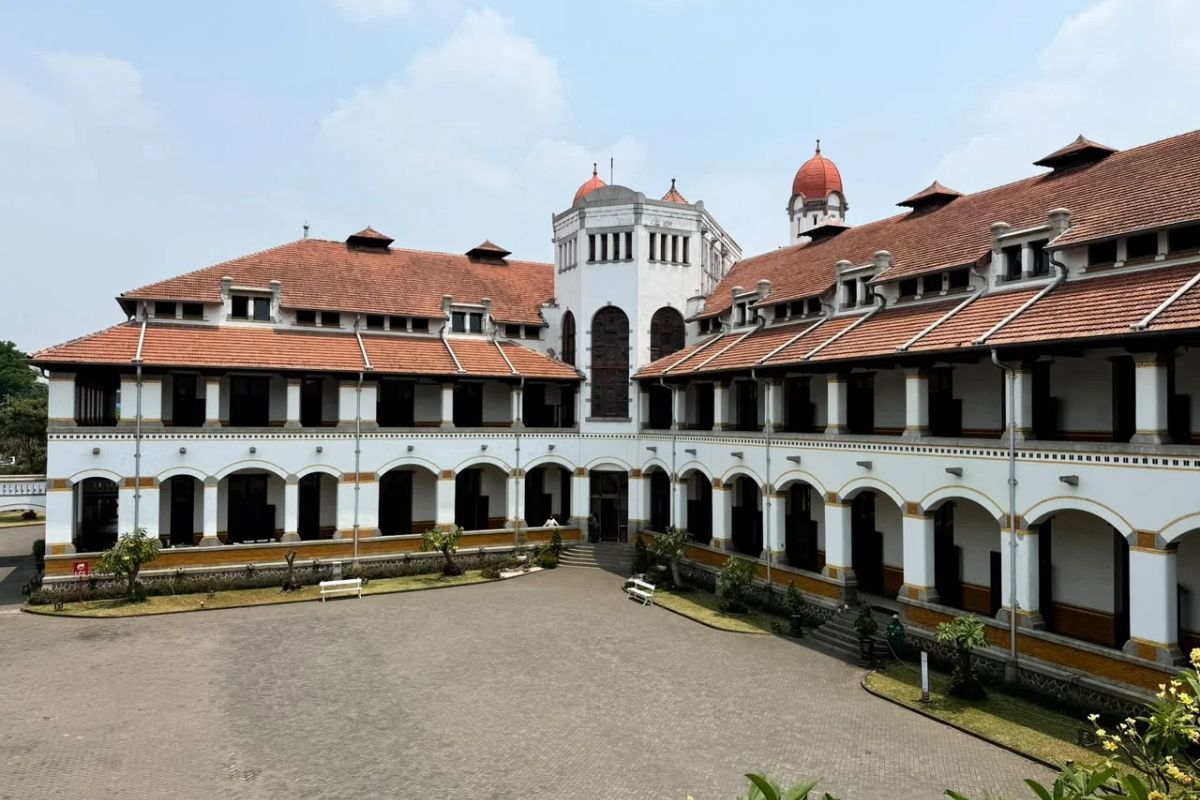
Jakarta (ANTARA) - State railway company PT Kereta Api Indonesia (Persero), or KAI, is continuing to develop its heritage asset management, turning historic sites into spaces for education, the preservation of history and public tourism. A number of historic buildings, stations and railway vehicles across Java and Sumatra now help people of different generations learn about Indonesia’s long railway history.
Public interest in historical tourism is reflected in visits to two KAI heritage destinations in Central Java. From 2024 to August 2026, Lawang Sewu in Semarang and the Ambarawa Railway Museum in Semarang Regency recorded a combined 2,127,125 visits.
Of that total, Lawang Sewu recorded 1,636,638 visits, while the Ambarawa Railway Museum received 490,487. The figures reflect strong public interest in destinations that offer a direct experience of history.
KAI Vice President of Corporate Communications Anne Purba said railway history was closely connected to the lives of Indonesians. For more than a century and a half, railways have been part of the development of cities, economic activity and technology, as well as many important events in the nation’s history.
“Behind every old station, steam locomotive and historic building are stories about the people and the journey of Indonesia. We want KAI’s museums to be places where children, families and young people can learn about history in a way that feels accessible, engaging and memorable,” Anne said.
KAI offers several destinations, each with a distinct historical experience, including Lawang Sewu and the Ambarawa Railway Museum in Central Java, the Bondowoso Railway Museum in East Java, and the Sawahlunto Railway Museum in West Sumatra.
Lawang Sewu is one of Semarang’s best-known historic buildings. First used in 1907 as the administrative headquarters of the Nederlandsch-Indische Spoorweg Maatschappij (NIS), the building is now a destination introducing visitors to railway history through artefacts, documentation and information on the development of rail transport in Indonesia.
The Ambarawa Railway Museum offers a different experience, with its collection of steam locomotives, historic trains and evidence of railway technology in a mountainous area. The museum is housed in the former Willem I Station, which began operating on 21 May 1873, when the Kedungjati–Ambarawa line opened.
In East Java, the Bondowoso Railway Museum preserves historical memories associated with the Gerbong Maut (Death Train) incident, an important episode in Indonesia’s struggle for independence.
The Sawahlunto Railway Museum introduces visitors to the close links between railway development and the history of coal mining in West Sumatra. The area is connected to the Ombilin mining heritage, recognised by UNESCO as a World Heritage Site, and is known for the E1060 steam locomotive, or Mak Itam.
“Each museum has a different story. There is the history of technology, people’s lives, regional development and the nation’s struggle. This diversity is an attraction that can enrich tourism and learning experiences across generations,” Anne said.
In addition to its museums, KAI has identified 656 heritage assets that have been designated cultural heritage sites or are in the process of being designated. These include stations, buildings, structures and railway vehicles across its operating regions.
They include Jakarta Kota, Bandung, Semarang Tawang and Yogyakarta stations, as well as various historic bridges, tunnels, workshops, depots and locomotives.
This diversity shows how the development of the railway network helped shape residential areas, commercial centres, industrial districts and tourism destinations across the country.
One historically significant legacy is the Kedungjati–Tuntang–Ambarawa line in Central Java. Dating back to the development of the railway network in 1873, the line formed part of the early history of rail transport in Indonesia and has potential for heritage-based tourism.
As part of efforts to promote and preserve railway history, KAI will hold the Rail Heritage Forum 2026 at Lawang Sewu in Semarang on 9 November 2026, under the theme “1867 & Beyond: Preserving the Past, Shaping the Future”.
The forum will provide a platform to discuss the historical value of railways, the use of heritage assets and opportunities for collaboration to create educational and tourism experiences relevant to the public.
The year 1867 is significant because the Semarang–Tanggung railway began operating on 10 August that year. From this first stretch, Indonesia’s railway network expanded and became an important part of public mobility, as it remains today.
“Historical heritage needs to be continually introduced so that future generations understand the journey that shaped Indonesia today. Through the Rail Heritage Forum 2026, we want to create more opportunities for collaboration so that KAI’s museums and historic assets become more accessible to the public,” Anne said.
KAI hopes more people will make railway museums a choice for family outings, educational activities and learning about Indonesian history through the perspectives of transport, culture and urban development.
“Railway history is part of our shared story. We invite the public to visit, see, learn and help care for this heritage so that future generations can continue to enjoy it,” Anne concluded.
Source: jawawa.id (https://jawawa.id/newsitem/more-than-2-1-million-visits-to-lawang-sewu-and-ambarawa-railway-museum-as-kai-invites-public-to-discover-1793803960)
Originally published by Antara (Indonesian) (https://www.antaranews.com/berita/5832327/lebih-dari-21-juta-kunjungan-ke-lawang-sewu-dan-museum-ambarawa-kai-ajak-publik-mengenal-warisan-perkeretaapian), translated from Indonesian