
Moratorium on SPPG Kitchens: Charles Honoris Calls Policy Rational
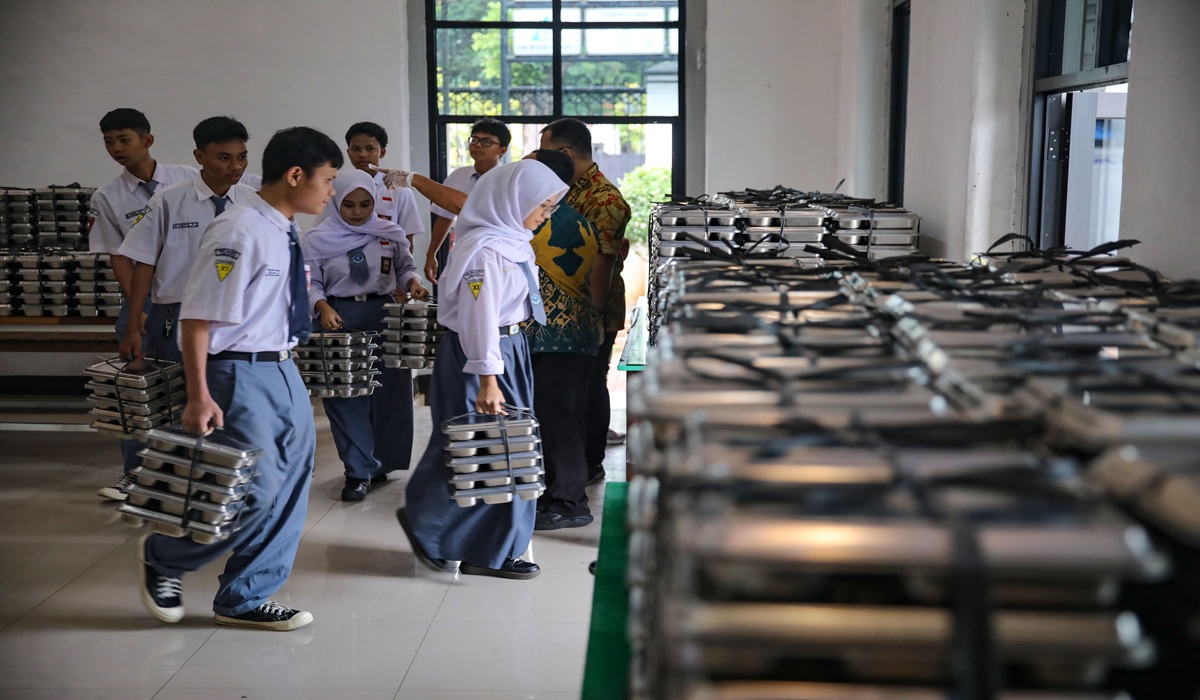
The Deputy Chairman of Commission IX of the Indonesian House of Representatives, Charles Honoris, has welcomed the moratorium on the construction of new kitchens for the Nutrition Service Unit (SPPG) by the National Nutrition Agency (BGN). He stated that this pause will allow the agency to focus on the quality of the Free Nutritious Meal (MBG) programme and its intended beneficiaries.
‘The moratorium on building new kitchens deserves support as it provides an opportunity for the BGN to conduct a comprehensive evaluation,’ Charles said in Jakarta on Monday. He added that the House of Representatives is waiting for the MBG programme to become more effective and efficient, delivering a tangible impact on improving the nutritional status of the population.
The moratorium is seen as a momentum for the BGN to improve standard operating procedures (SOP), enhance human resource quality, and ensure that all currently operational kitchens meet established food safety and nutritional standards. He deemed the policy rational, especially as the programme’s focus is being redirected towards specific beneficiaries.
Charles noted that the MBG programme should not be universal. Instead, it should serve as a nutritional intervention for specific groups, such as toddlers, school-aged children from vulnerable families, pregnant women, breastfeeding mothers, and communities in regions with high nutritional problem prevalence.
He also encouraged a transformation in the delivery model, moving from a centralised SPPG kitchen approach to school-based kitchens. This model is considered closer to the beneficiaries, utilises existing school facilities, reduces logistics and distribution costs, and strengthens food quality supervision. ‘It is more in line with the primary goal of the MBG as a nutritional intervention. Schools can play a more active role in ensuring food quality, nutritional education, and monitoring the condition of the students targeted by the programme,’ he concluded.