
'Monster Pabrik Rambut', Horror Born from Labour Exploitation
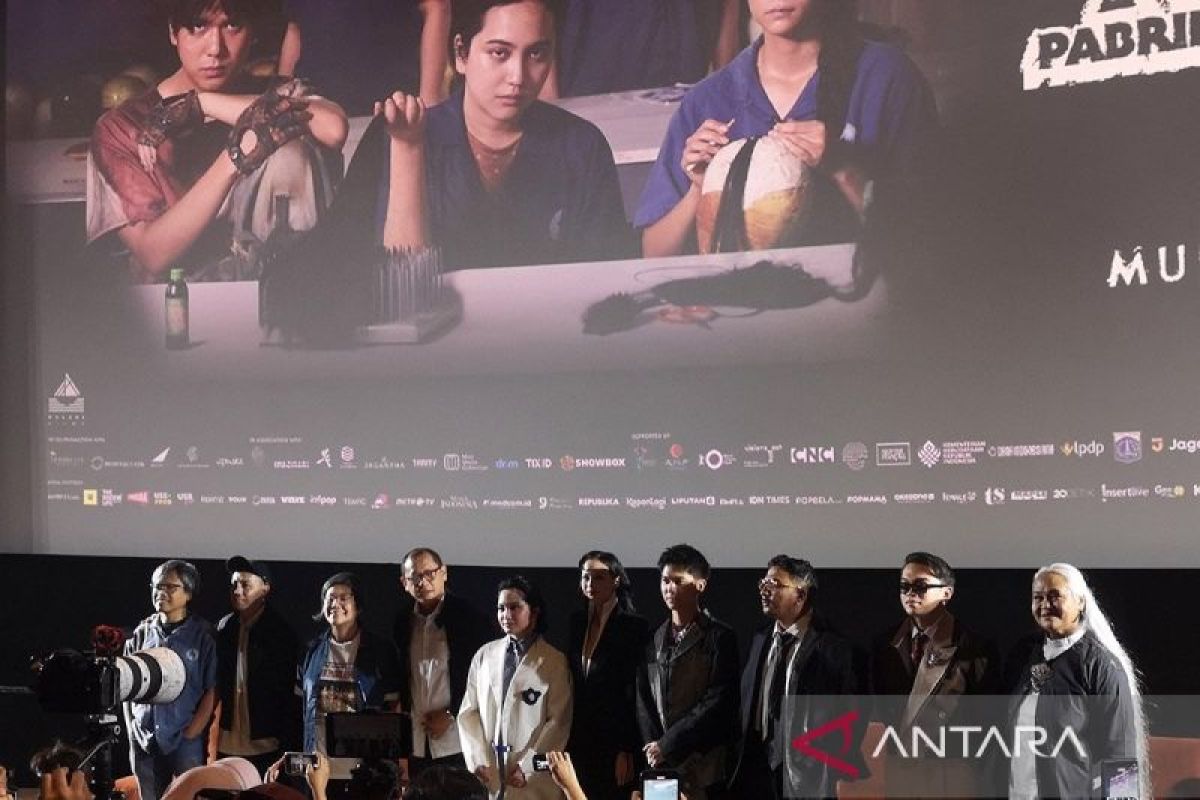
This film does not rely on the appearance of scary figures in dark corridors or mysterious sounds.
For years, Indonesian horror films have been identified with ghosts, curses, haunted houses, or supernatural figures terrorising humans. Departing from this trend, the film “Sleep No Serne” or “Monster of the Hair Factory”, directed by Edwin (who previously directed “Vengeance Is Mine, All Must Be Paid”), offers a different approach. He shifts the source of fear from the supernatural world to a dimension much closer to daily life: capitalism and labour exploitation.
Edwin traces the lineage back to the 1920s era of cinema. According to him, classic films such as “Dracula”, “Nosferatu”, or “The Cabinet of Dr Caligari” were not horror about demons, but rather recorded the mass anxiety regarding the rise of the Industrial Revolution. “Monster of the Hair Factory” adopts that old spirit contextually.
The film, with a screenplay written by Eka Kurniawan, Edwin, and Daishi Matsunaga, presents a horror that invites the audience to reflect on social realities that often escape attention. The story centres on two sisters, Putri, played by Rachel Amanda, and Ida, played by Lutesha. Both work in the PT Raga Abadi hair factory after inheriting debt from their deceased mother. The debt, which was previously used to fund Ida’s education, becomes a burden that forces them to remain in an unhealthy working environment.
From the beginning, the film builds a somber atmosphere within the hair factory. It resembles an old building that would almost lose its identity if not for the workers present. The classic nuance of a sect building or a meeting place for a specific group from the past is very strong, even though Edwin reveals that the building was formerly an old studio of the State Film Production Company (PFN).
There are no bright colours or atmospheres that ignite hope. There is only the dim neon light illuminating piles of hair, nail combs, and workers moving like machines beneath them. Under the control of Maryati, a character powerfully played by renowned dance artist Didi Nini Thowok, the workers are driven to continue working without sleep to meet production targets and bonuses. Maryati does not appear as a conventional antagonist. She more closely resembles a cult leader who repeatedly preaches the importance of hard work, viewing overtime and subsequent injuries as a natural consequence in the hope of a better future.
This is where “Sleep No More” demonstrates a unique and different level of horror. The film does not rely on the appearance of scary figures in dark corridors or mysterious sounds. The terror emerges from the atmosphere presented in its visuals, such as chronic fatigue, economic pressure, and a work system that slowly freezes people in positions of powerlessness.
The labourers, who endure continuous overtime, begin to experience hallucinations and changes in behaviour. They walk without expression, speak with an odd rhythm, and undergo monotonous routines as if losing their individual consciousness. This depiction brings the film closer to psychological horror and body horror than supernatural horror. The camera frequently utilises close-up techniques, paired with effective makeup artistry and practical effects.