
Monitoring the Return: Ministry of Hajj and Umrah Urges Pilgrims to Adhere to Flight Regulations
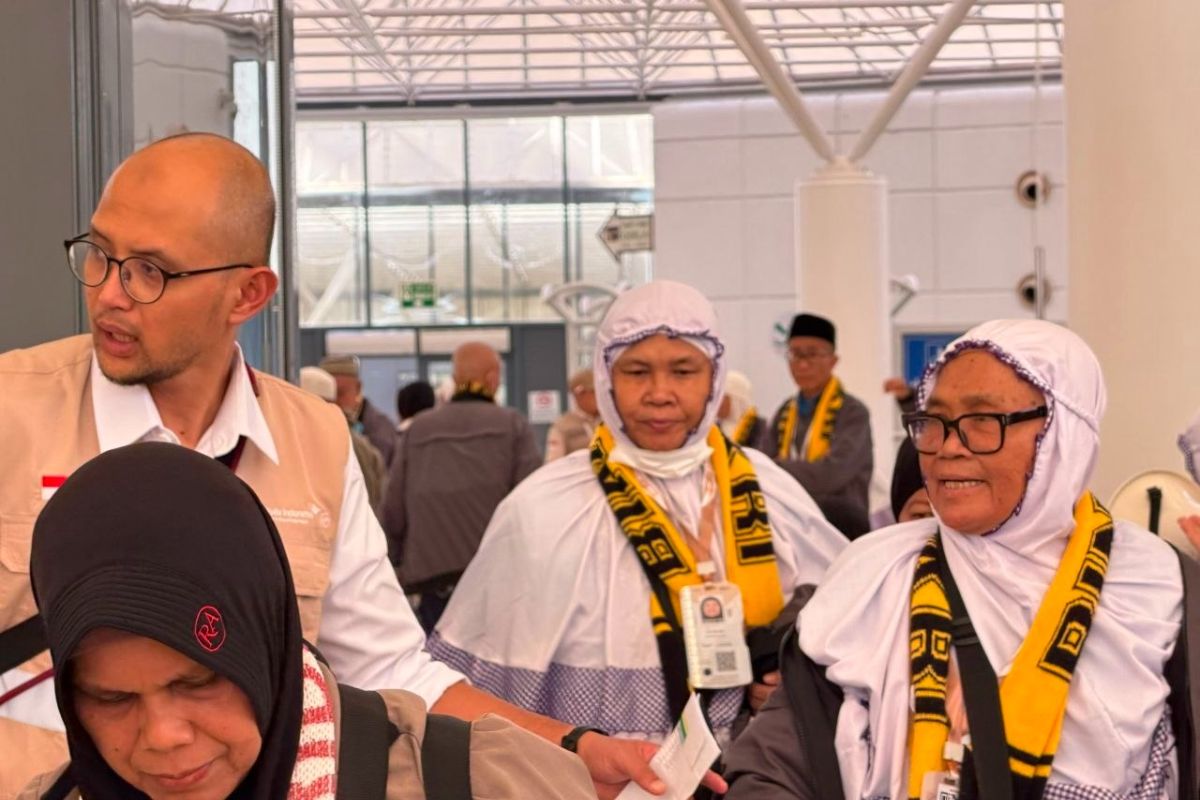
The Indonesian Ministry of Hajj and Umrah (Kemenhaj) continues to oversee the return process of Indonesian Hajj pilgrims to the homeland to ensure it remains orderly, safe, comfortable, and smooth, while simultaneously urging pilgrims to comply with applicable flight regulations.
Spokesperson for the Ministry, Ichsan Marsha, stated that to date, 59 flight groups (kloter), consisting of 23,129 pilgrims and 236 Hajj officials, have departed from Saudi Arabia for Indonesia. This brings the total number of participants and officials departed to 23,365. From this figure, 56 groups, comprising 21,948 pilgrims and 224 officials, have arrived in Indonesia, totalling 22,172 people.
Meanwhile, the return of special Hajj pilgrims is also ongoing. As of today, 7,702 special Hajj participants and 368 officials have returned to Indonesia, bringing the total returnees to 8,070.
“The Ministry of Hajj and Umrah ensures that the entire return process for both regular and special Hajj pilgrims is intensively monitored to ensure it is orderly, safe, comfortable, and smooth,” Ichsan said in Medina, Saudi Arabia, on Saturday.
As the return phase begins, the Ministry reminds pilgrims to prepare their belongings in accordance with flight regulations and to safeguard their travel documents. Passports, identity cards, personal medications, and other important documents must be kept in a safe and easily accessible place.
The Ministry also reminds pilgrims that each individual is only permitted to carry a passport bag, one cabin bag with a maximum weight of 7 kilograms, and one checked bag with a maximum weight of 32 kilograms.
To facilitate the return process, airlines have conducted baggage weighing at the pilgrims’ hotels two days prior to departure. Once weighed and handed over to officials, checked luggage undergoes a screening process before being stored in airline warehouses until departure.
“We urge pilgrims not to add any items to the suitcases that have already been weighed and handed over to officials,” Ichsan noted.
The Ministry reaffirmed that Zamzam water is not permitted to be included in checked or cabin luggage in any form. He added that pilgrims do not need to carry Zamzam water independently, as every Indonesian pilgrim will receive a five-litre gallon of Zamzam water distributed at their respective embarkation points upon arrival in Indonesia.
Due to high operational density at King Abdulaziz International Airport in Jeddah, the Saudi Ministry of Hajj has diverted several Saudia Airlines flights carrying Indonesian pilgrims from the Hajj Terminal to the International Terminal (Terminal 1).
“We urge pilgrims to follow the instructions of officials, pay attention to departure gate information, and remain in the designated waiting areas, as gate arrangements may change at any time according to airport operational needs,” Ichsan said.
The Ministry also advised pilgrims remaining in the Holy Land to maintain their health by increasing water consumption, eating regularly, getting sufficient rest, and using head protection or umbrellas when engaging in activities outside their hotels.
“Let us continue to maintain unity, help one another, and remind each other of good practices until all pilgrims return safely to the homeland,” Ichsan concluded.