
Monitoring MSCI’s Impact, BI Governor Says: ‘We Held Two Days of Very Intensive Discussions’
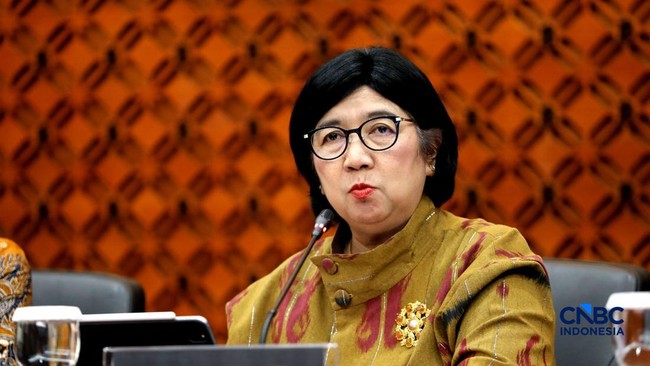
Jakarta, CNBC Indonesia — Bank Indonesia (BI) held intensive discussions over two days at governor level in response to developments in Morgan Stanley Capital International’s (MSCI) assessment of Indonesia’s capital market, which also coincided with pressure on the rupiah.
BI Governor Destry Damayanti said the central bank was continuing to monitor domestic financial markets, particularly foreign capital flows and outflows following developments related to MSCI.
Although the rupiah has come under pressure, BI considers the situation relatively normal amid unfavourable conditions in regional markets as well.
“We see the pressure as relatively normal because the regional situation is not good. We are keeping a close watch on our capital market and monitoring outflows following the developments after MSCI. We held two days of very intensive discussions on how to respond,” Destry said.
She explained that the intensive discussions would inform BI’s efforts to formulate a more targeted policy response. The focus is on encouraging capital that has left the market to return to Indonesia’s financial markets.
According to Destry, financial market stability is BI’s priority amid current volatility. However, the central bank is also considering how to sustain economic growth.
“Our priority is stability. Our focus is on bringing inflows back,” she said.
To restore foreign capital flows, BI is seeking to optimise various incentives for investors placing funds in domestic financial assets. These include Indonesian government bonds (Surat Berharga Negara, or SBN), Bank Indonesia Rupiah Securities (Sekuritas Rupiah Bank Indonesia, or SRBI), and lending.
One instrument being optimised is an incentive for Domestic Non-Deliverable Forward (DNDF) transactions, which can reduce investors’ hedging costs by up to 45%.
Destry said the incentive had been in place from June to October. BI hopes that strengthening it will make Indonesian financial assets more attractive to investors and boost inflows.
She said repricing in domestic financial assets, particularly SBN, could provide an opportunity to improve the competitiveness of returns on Indonesian assets compared with US dollar-denominated assets.
BI expects the central bank’s incentives to reduce hedging costs to make these assets more attractive to investors.
“We hope that repricing in our domestic market, particularly in SBN, combined with increased incentives, will make the spread between domestic assets and US dollar assets attractive. We are focused on bringing inflows in through targeted measures,” she said.
BI hopes that the combination of asset repricing and incentives will help bring foreign capital back while supporting rupiah stability amid uncertainty in global financial markets.
Source: jawawa.id (https://jawawa.id/newsitem/monitoring-mscis-impact-bi-governor-says-we-held-two-days-of-very-intensive-discussions-1792572688)
Originally published by CNBC Indonesia (https://www.cnbcindonesia.com/market/20261021152024-17-778251/monitor-efek-msci-bos-bi-kami-2-hari-diskusi-ketat-sekali), translated from Indonesian