
Molten Salt Batteries to Human Sweat: Unique Solutions for Renewable Energy Storage
The global transition to clean energy is driving scientists to explore various new energy storage technologies. The main challenge with renewable energy sources, such as wind and solar, is their fluctuating nature, as they are not always available around the clock. To overcome this issue, researchers are testing unique battery innovations, ranging from the use of molten salt to harnessing human sweat.
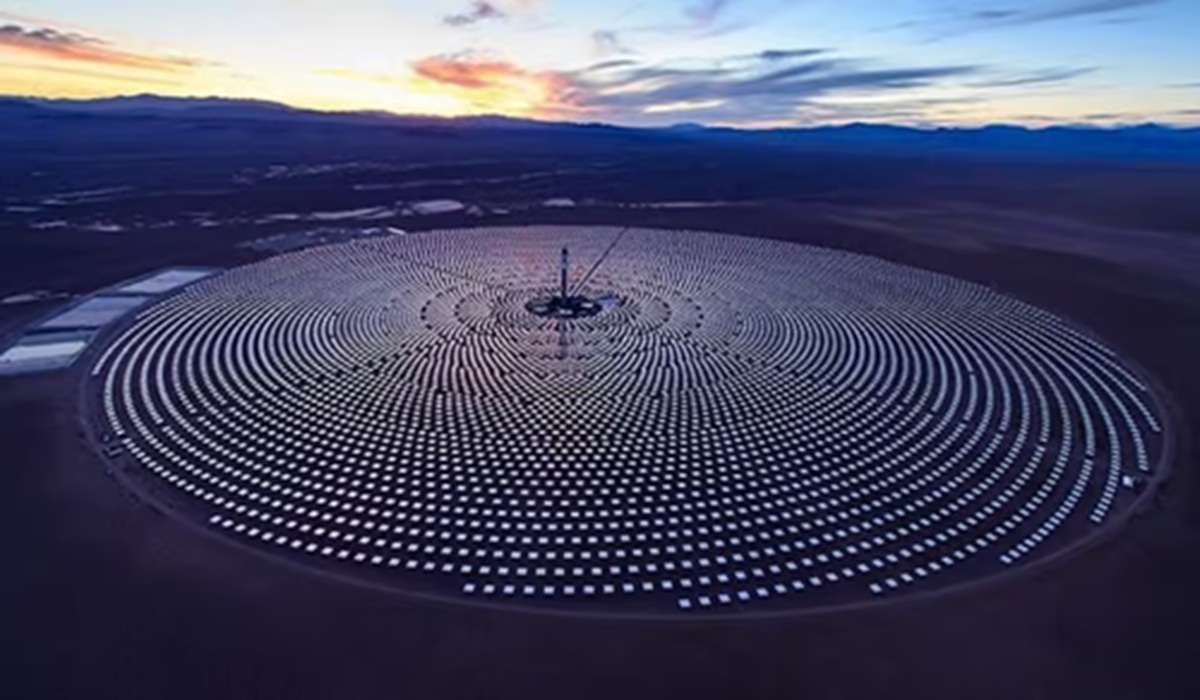
Large-scale storage technology is key to ensuring a stable electricity supply from renewable sources when the weather is unfavourable or when energy demand spikes. One technology attracting attention is the molten salt battery. This system works by heating salt until it melts at high temperatures, allowing it to store energy in the form of heat. The stored thermal energy can later be converted back into electricity when needed by the power grid.
Molten salt batteries are considered to have several advantages over conventional lithium-ion batteries. This innovation is seen as highly potential for application in grid-scale energy storage, helping to maintain the balance of electricity supply amidst the increasing use of solar and wind power.
Beyond large-scale storage, scientists are also developing micro-scale, biologically-based battery innovations. One approach being developed utilises bodily fluids, such as human sweat, to generate electrical power. These micro-batteries use special enzymes to break down compounds in sweat, like lactic acid, to trigger a chemical reaction that produces a low electrical current. The technology is designed specifically to power low-energy portable devices, such as skin-attached health sensors, fitness monitors, and micro-medical devices.
Although the power capacity generated is relatively small and intended only for flexible devices, this innovation serves as tangible proof of how biological chemistry principles can be utilised as an alternative, self-sufficient energy source without relying on traditional chemical batteries. The exploration of these various unique battery types indicates that the future of energy storage will not rely on a single technology. A combination of large-scale storage, like molten salt, and small-scale biological innovations is expected to accelerate the achievement of an environmentally friendly, efficient, and sustainable energy ecosystem.
Source: jawawa.id (https://jawawa.id/newsitem/molten-salt-batteries-to-human-sweat-unique-solutions-for-renewable-energy-storage-1784609450)
Originally published by Media Indonesia (https://mediaindonesia.com/teknologi/912878/baterai-garam-cair-hingga-keringat-manusia-solusi-unik-penyimpanan-energi-terbarukan), translated from Indonesian