
MOLI Allocates Rp350 Billion Capex to Pursue Bioethanol Programme Opportunities
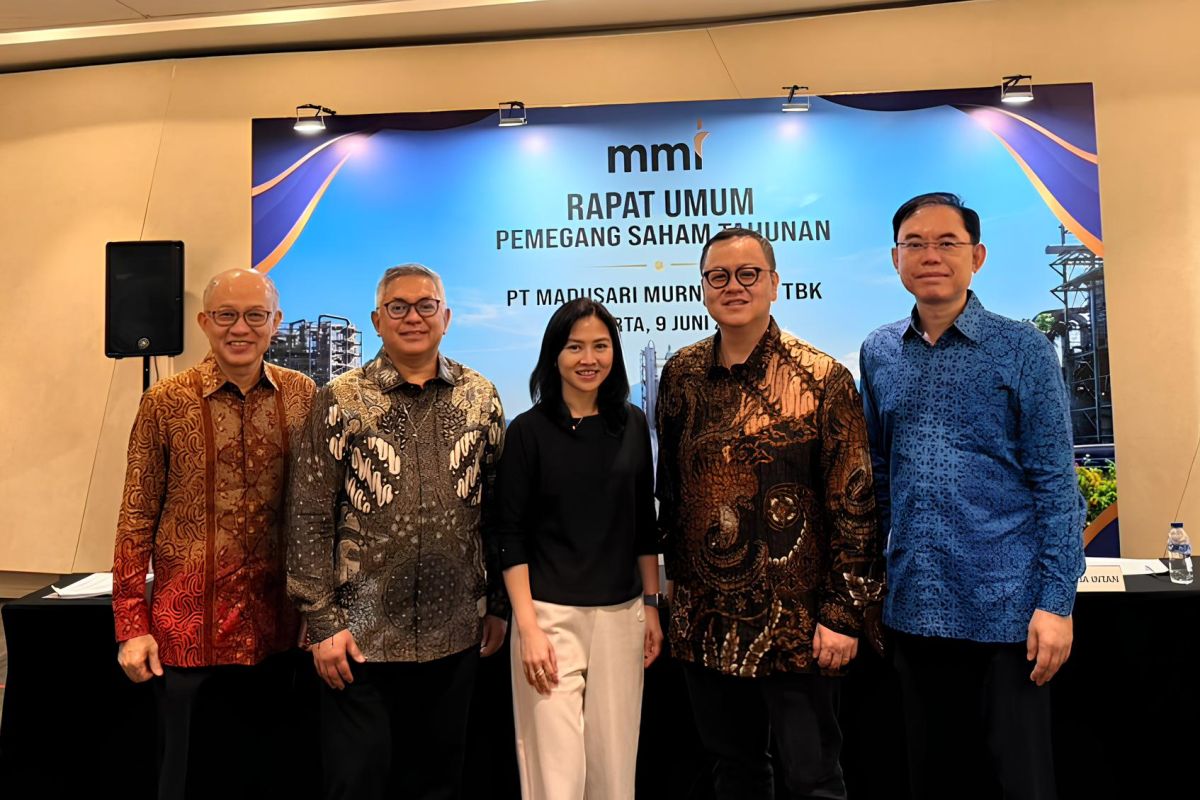
Ethanol and liquid carbon dioxide producer PT Madusari Murni Indah Tbk (MOLI) has allocated capital expenditure worth Rp350 billion for 2026. The capex is a strategic effort to increase production capacity to capture growth opportunities in the bioethanol industry, driven by the implementation of the government’s E5 (a 5 per cent blend of fuel-grade ethanol and 95 per cent petrol) and E10 programmes. To execute all these expansion plans, MOLI has allocated capital expenditure of approximately Rp350 billion in 2026, said MOLI President Director Jose G. Tan in an official statement in Jakarta on Wednesday. The company highlighted the government’s plan to gradually implement mandatory ethanol blending with petrol, starting with E5 from July 2026, then increasing to E10 in 2028. The policy is projected to create a demand for fuel-grade ethanol reaching 1.2 million kilolitres by 2030. Jose explained that the capex would be allocated for investment in new distillation equipment, liquid CO2 production lines, boilers, and various other supporting equipment. He added that the capex allocation aims to increase production capacity, create more efficient production processes, reduce operational costs, and open up opportunities for developing ethanol products with higher added value. ‘This investment is expected to increase production capacity, drive process and production cost efficiency, and open up opportunities for ethanol product development,’ said Jose. To support this strategy, he explained that the company is also working to develop new products through market research and research and development activities. Meanwhile, rising energy costs will be addressed through investment in more efficient technology and production equipment. On the other hand, the company acknowledged several challenges facing the national ethanol industry, identifying three main issues: oversupply of non-fuel grade ethanol products in the domestic market, suboptimal regulatory control over the export of raw materials to other countries, and increasing energy costs. ‘Amidst oversupply conditions in the domestic market, the company chooses to focus on niche market segments that require higher quality products and offer better margins, especially in international markets,’ said Jose. For 2026, the company remains optimistic about its business prospects, despite facing weakening ethanol prices and the economic impact of the ongoing conflict in the Middle East.