
Mojtaba Khamenei in Critical Condition, US Issues Stern Warning
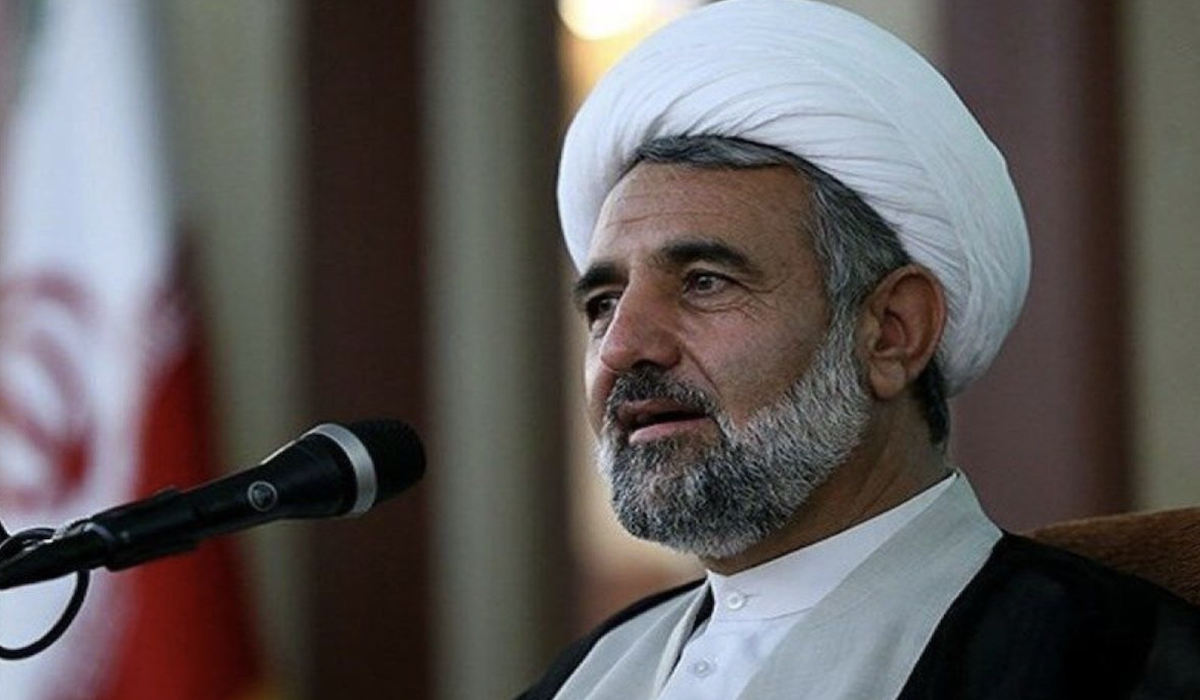
International intelligence reports indicate that Iran’s Supreme Leader, Mojtaba Khamenei, is in critical condition and unconscious. This situation has triggered global concerns over Iran’s political stability amid escalating regional conflicts.
The information was first revealed by The Times on Tuesday (7 April), based on a diplomatic memo shared with several countries, including the United States, Israel, and Gulf states. It is stated that Khamenei is undergoing intensive care in Qom and is unable to perform his leadership functions.
The memo also provides the first specific disclosure of the treatment location. The same sources indicate that US national security agencies are aware of the condition, with indirect communications occurring with Iranian representatives through diplomatic channels in Pakistan.
Since the conflict in West Asia intensified, Khamenei has not appeared in public. Nevertheless, official messages in his name continue to be broadcast via state media, fuelling speculation about his actual condition.
The report also suggests that funeral preparations in Qom are underway as a precautionary measure, although there has been no official confirmation from Iranian authorities.
Amid this situation, US President Donald Trump has once again issued a stern warning. He emphasised that failure to reach an agreement soon would result in serious consequences for Iran.
“They have until tomorrow, and then we will see what happens,” Trump stated on Wednesday (8 April).
He added that without an agreement, Iran risks losing vital infrastructure. “No bridges, no power plants, the situation will be much worse,” he said.
Trump also assessed that the conflict, ongoing since 28 February, has entered a critical phase. According to him, the current steps are decisions that cannot be delayed any longer.
This development underscores Iran’s position under dual pressures: an internal leadership crisis and external threats, which could shake regional stability and global geopolitical relations.