
Mojtaba Khamenei Calls for Domestic Production Boost as US Imposes Sanctions on Iran
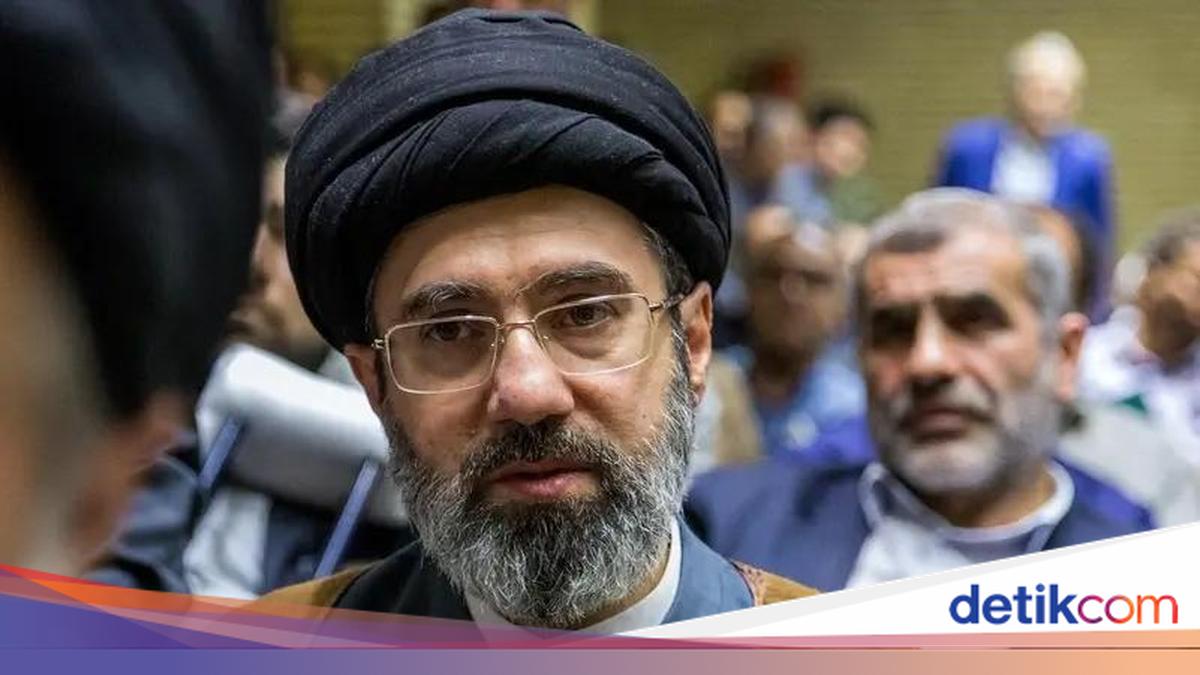
Iran’s Supreme Leader, Mojtaba Khamenei, has called for strengthening domestic production and reducing dependence on the US dollar amid economic pressure from a barrage of new sanctions imposed by Washington. Mojtaba described the move as essential for addressing Iran’s various economic problems.
US Vice President JD Vance has stated that Washington’s top priority in the conflict with Iran is lowering oil and petrol prices for the American people. Preventing Tehran from acquiring nuclear weapons, Vance said, now ranks second.
This harder stance differs from remarks by US Treasury Secretary Scott Bessent on 4 August, when he told CNBC that a deal with Iran to reopen the Strait of Hormuz could be reached within days. Those comments helped lift Wall Street and push oil prices lower.
In July, the US Treasury Department expanded sanctions targeting Iran’s shipping and financial networks, following fresh attacks by Tehran on international vessels in the Strait of Hormuz.
In his latest statement, Mojtaba said that increasing reliance on Iran’s domestic production could be the key to overcoming the country’s economic problems. He also called for a gradual reduction of the dominant role of the American dollar in the national economy.
In a message marking Iran’s Government Week, Mojtaba urged the government to pay serious attention to a range of interconnected economic and public welfare challenges, including inflation, unemployment, price controls and the regulation of goods and services markets.
“The main key to overcoming all these problems lies in increasing reliance on domestic production,” the Supreme Leader said.
He called for measures to boost economic growth, increase investment and channel investment into sectors that are important and beneficial. He also encouraged higher production and a gradual reduction of dependence on the dollar. Ultimately, all policies of the “resistance economy” are expected to become the top priority in the Iranian government’s economic agenda.
Mojtaba, who has not appeared in public since taking office in early March, also stressed the importance of ensuring adequate supplies of staple goods and special items. He added that if domestic production is insufficient, imports should be used “appropriately and wisely”.
According to Mojtaba, efforts to boost production and manage imports and prices can gradually reduce the “dark spots” in Iran’s economy until they disappear completely.
As Washington imposes additional sanctions aimed at crippling Tehran’s economy, the Iranian rial has slumped to a record low. This week it breached 2,000,000 rials per US dollar on the open market.
The Supreme Leader also described “the application of technology and innovation proposed by Iran’s young elites” as an important issue. He said timely use of such advances could produce significant progress in agriculture, industry, communications, education and other sectors.
Mojtaba also praised the government of President Masoud Pezeshkian during wartime, saying it had managed to provide goods and services needed by the people, repair damaged critical facilities and manage energy supplies amid “the restrictions and conspiracies of the American-Zionist enemy” and “the intensification of sanctions and blockades”. Mojtaba praised Pezeshkian as a “sincere and attentive” president.
In his statement, Mojtaba also called for measures to preserve “unity and maintain social cohesion”.
“Undoubtedly, any statement that breaks morale and weakens national or public motivation, and any form of false dichotomy — such as war or negotiation, consensus or extremism, compromise or war-mongering — which in the past has caused direct or indirect harm to our beloved people, could have similar consequences in the future,” he said.
“Therefore, I affirm that taking any action that undermines social cohesion is forbidden,” the Supreme Leader stressed.