
Modernising Tax Administration in the E-Marketplace Era
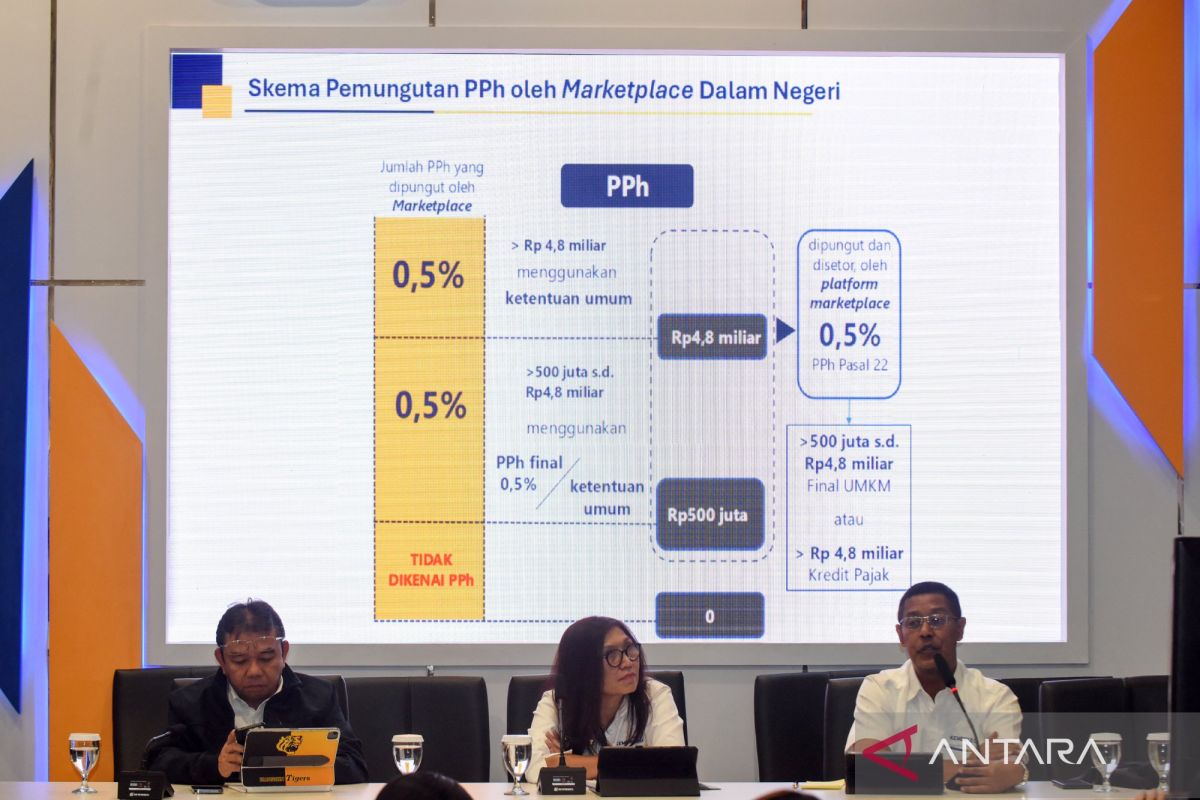
Starting 1 July 2026, the government will appoint four major electronic marketplaces — Tokopedia, Shopee, Lazada, and Blibli — as collectors of Income Tax Article 22 on transactions by merchants meeting certain criteria. The 0.5 percent tariff is not an additional tax beyond existing provisions, but rather part of a withholding tax mechanism collected in advance, which will serve as a tax credit for the taxpayer’s overall liability under their applicable tax regime. The policy, established through a Minister of Finance Regulation, should not be viewed solely as a short-term effort to boost state revenue. More fundamentally, it represents part of a process to modernise tax administration, aiming to uphold fiscal justice amid the rapid transformation of the digital economy without stifling innovation or business growth. This shift in mechanism reflects a new direction for modern tax administration. As economic activity moves from physical shops to digital spaces, the way the state collects tax revenue must also evolve. The tax administration system, designed over decades for conventional transactions, faces new challenges now that millions of transactions occur daily across digital platforms, conducted swiftly, across regions, and documented electronically. This perspective is increasingly crucial given that Indonesia’s digital economy is now the largest in Southeast Asia. The value of e-commerce transactions continues to rise year on year, the number of MSMEs utilising marketplaces continues to grow, and millions of people now rely on digital platforms as their primary means of meeting daily needs. As the centre of economic activity shifts to the digital realm, the tax system can no longer rely solely on conventional mechanisms designed for an era when most transactions were conducted face-to-face. The core essence of the marketplace tax collection policy is not to create a new tax, but to build an administrative system capable of keeping pace with the evolution of the digital economy. The ultimate goal is not merely to increase state revenue, but to establish equal tax treatment between business actors transacting conventionally and those utilising digital platforms. In this way, digital transformation not only brings ease of doing business but also strengthens the foundation of fiscal justice, a key pillar of national development.