
Modern Cafes Mushrooming, Warkop Unshaken: Economist Cites Market Dualism
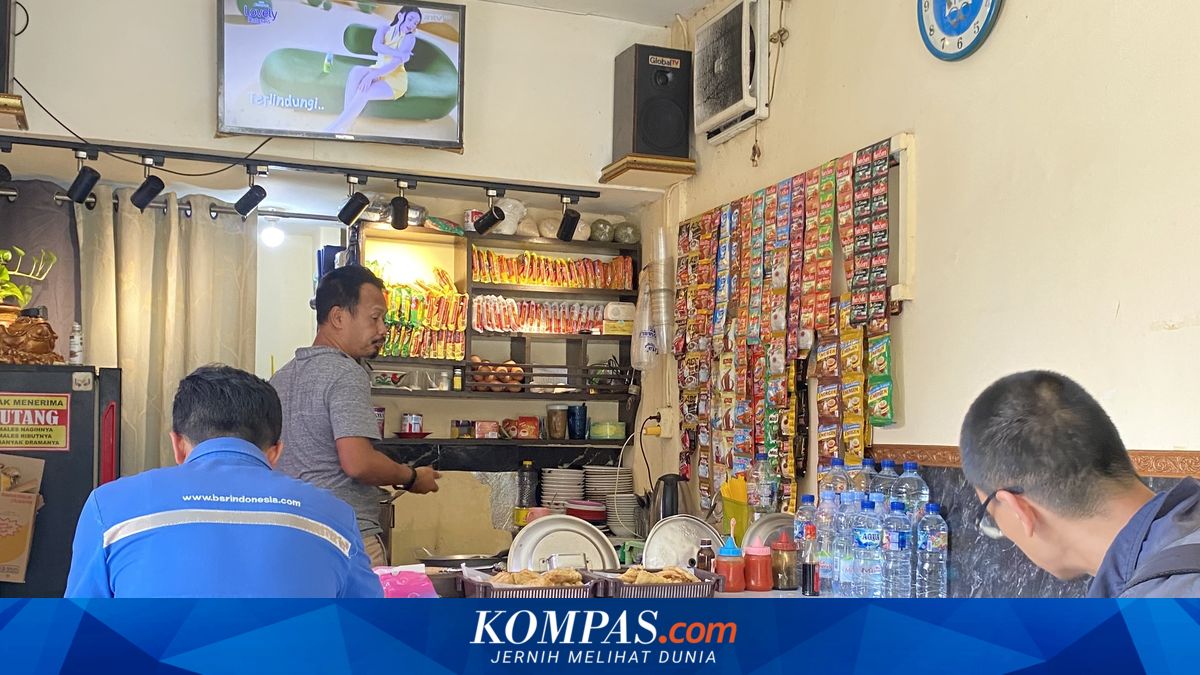
JAKARTA, KOMPAS.com - Rows of modern cafes with aesthetic designs continue to grow in Jakarta, offering premium coffee, air-conditioned spaces, and Instagram-worthy interiors. However, this expansion does not immediately displace roadside warung kopi (warkop) that persist in the city’s corners. Amid urban lifestyle trends, warkop remain bustling with day labourers to young people seeking cheap and familiar hangouts. Economic observer and Head of the Macroeconomic and Finance Centre at the Institute for Development of Economics and Finance (Indef), M Rizal Taufikurahman, states that warkop endure due to their low cost structure and proximity to daily consumer bases. “In conditions of constrained purchasing power, warkop become a rational choice as they offer cheap prices, easy access, and social functions without additional costs,” Rizal said when contacted by Kompas.com on Monday (5/5/2026). Rizal explains that the price difference between warkop and cafes reflects increasingly clear market segmentation. Warkop target price-sensitive consumers, while cafes aim at those with higher paying ability. “So, it’s not just a purchasing power gap, but differentiation in the value offered, between product versus experience,” he said. He assesses that the trend of hanging out at modern cafes is driven by symbolic consumption. Consumers do not just buy coffee, but also purchase social identity, aesthetics, and experiences. This pattern, Rizal says, is consistent with the shift in urban middle-class consumption from basic needs to lifestyle-based spending. However, the cafe expansion does not automatically eliminate warkop. “Indications of the consumption shift to cafes are seen from the aggressive expansion of the modern food and beverage sector, the increase in cafe outlets in big cities, and the rising share of recreational consumption in middle-class household spending,” Rizal said. “But this shift does not replace warkop; rather, it reinforces the dualism of the consumption market,” he continued. Rizal adds that warkop remain the backbone of urban UMKM, especially in the informal sector. Their presence absorbs labour and drives the local economy. Nevertheless, he warns that warkop margins are also pressured by rising raw materials, energy, and rental costs. “Their sustainability greatly depends on efficiency and sales volume,” Rizal said. In the Kebon Sirih area, Central Jakarta, a small warkop stands attached to a street corner. Its size is only about 3x3 metres, with one fritter display case, one long wooden table, and cramped plastic stools. Though cramped, H. Sumarno’s (55) coffee stall is never truly empty. His customers come from various ages, from regular older men to young people just finishing work. “My stall is small, only 3x3 metres. But alhamdulillah, all sorts come. There are older men, young people too. Sometimes even university students or those just back from work,” Sumarno said when met. Meanwhile, young people use warkop as a cheap hangout space that doesn’t demand appearances. “The older ones are already regulars. They drink coffee while chatting. The young ones usually relax, drink coffee, smoke, play on their phones,” he said. Sumarno believes the aesthetic cafe trend does not make his warkop lose customers. He sees the two as having different markets. In that small space, the close proximity of stools makes conversations flow unplanned. Social interactions emerge naturally because people sit close together. “In a small stall like this, people have to sit close whether they like it or not. So it’s easy to chat. Sometimes strangers end up becoming acquaintances,” he said. He mentions that his customers come from various professions, security guards, online motorcycle drivers, office workers, to drivers. Sumarno believes that atmosphere is rarely found in modern cafes, which are more individual. “In cafes, people are often busy with themselves. Here it’s different, people still greet each other,” he said. Price is the main reason warkop remain relevant. Coffee is sold for Rp 5,000, sweet tea Rp 4,000, fritters Rp 2,000, and instant noodles around Rp 10,000.