
Moderate chilli consumption may reduce the risk of fatty liver disease
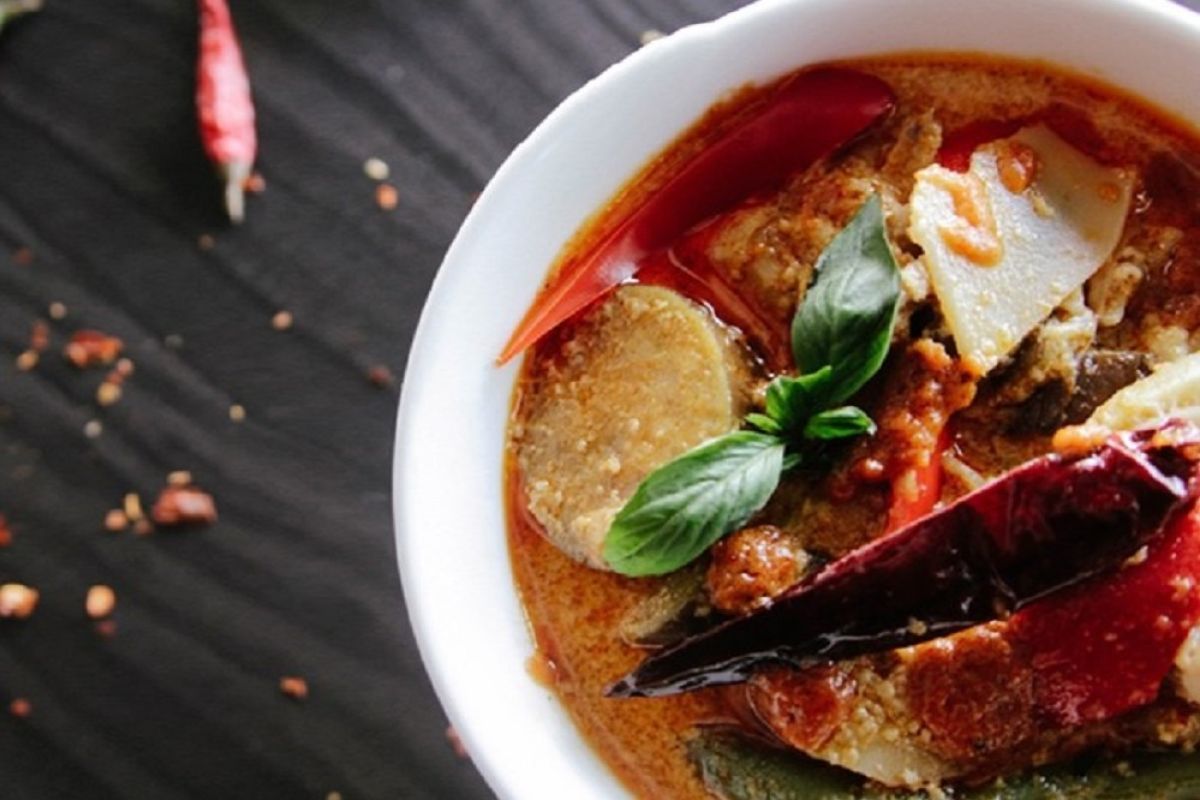
Jakarta (ANTARA) – A study published in Frontiers in Nutrition in November 2025 found that eating moderately spicy food containing chilli several days a week may reduce the risk of fatty liver disease.
According to a Medical Daily report on Wednesday (7 October), the study involved 23,666 adults aged 25 to 60 from a multi-centre physical examination database in Shijiazhuang, Hebei Province.
None had fatty liver disease or advanced scarring at the start of the study. Over an average follow-up period of 12.6 years, 7,965 people developed non-alcoholic fatty liver disease, while 7,311 met the criteria for metabolic dysfunction-associated steatotic liver disease, the new name for the same condition.
Compared with people who never ate spicy food, those who ate it one or two days a week had an 18.9 per cent lower risk of non-alcoholic fatty liver disease (NAFLD).
For those eating spicy food three to five days a week, the reduction was 33.2 per cent. It reached 36.4 per cent among those who ate it six or seven days a week, and peaked at a 44.6 per cent lower risk for daily consumers.
A strong preference for spicy food was not directly associated with either condition: the risk ratios were 0.983 for NAFLD and 1.005 for MASLD, neither statistically distinguishable from those who never ate spicy food.
The researchers said they did not know why the apparent benefits disappeared at the highest spice-intensity level, and the study could not answer that question. It was observational, meaning it can identify associations but not establish cause and effect.
The researchers noted patterns in earlier studies. One trial found that moderate chilli-sauce intake increased blood glucose and cholesterol levels in healthy adults, while high daily intake did not.
Laboratory studies indicate that high capsaicin exposure suppresses calcitonin gene-related peptide, a compound that relaxes blood vessels, whereas moderate exposure increases nitric oxide. If the mechanism is dose-dependent, more heat does not necessarily mean more benefit.
A strong preference for spicy food was also uncommon. Only 960 people reported it, about 9.6 per cent of those who ate spicy food weekly, leaving the analysis with less statistical power to detect small effects in that group.
Spicy food showed no association with advanced fibrosis. The team used two separate scoring systems, the NAFLD Fibrosis Score and the FIB-4 index, and neither showed a signal at any consumption frequency or spice-intensity level. The hazard ratios were close to 1.0 across all categories.
That null result matters when interpreting the findings. Weekly chilli consumption was associated with a lower likelihood of accumulating liver fat, but not with a lower likelihood of developing the scarring that determines survival.
The idea that chilli is good for health largely stems from a 2015 BMJ analysis of 487,375 adults in the China Kadoorie Biobank. It reported that people who ate spicy food almost every day had a 14 per cent lower risk of death from any cause than those who ate it less than once a week.
An Italian cohort published in the Journal of the American College of Cardiology found a similar pattern among 22,811 adults, while a US analysis of NHANES data published in PLOS One reported a 13 per cent lower risk of death among chilli consumers.
None of those three mortality cohorts asked participants how spicy they liked their food.
The authors explicitly outlined the study’s limitations. Spice consumption was self-reported and therefore subject to recall bias, while assessments of spice intensity were inherently subjective. Residual bias may remain despite adjustments for education, income, work intensity, marital status, smoking, alcohol consumption and family medical history.
They also cautioned that the findings came from Chinese adults in a region where spicy food is more commonly consumed than in most countries, so extrapolation to American diets requires care.
There is also a practical consideration: a bowl of chilli-oil noodles is not a capsule of capsaicin. Spicy dishes of any cuisine contain fat, salt and calories, none of which were measured in the study.
Anyone with a liver condition should consult a doctor rather than simply increasing their intake of hot sauce.
Source: jawawa.id (https://jawawa.id/newsitem/moderate-chilli-consumption-may-reduce-the-risk-of-fatty-liver-disease-1791561181)
Originally published by Antara (Indonesian) (https://www.antaranews.com/berita/5779281/konsumsi-cabai-tingkat-sedang-meminimalkan-penyakit-hati), translated from Indonesian