
Mobileye enters the robotaxi industry fray
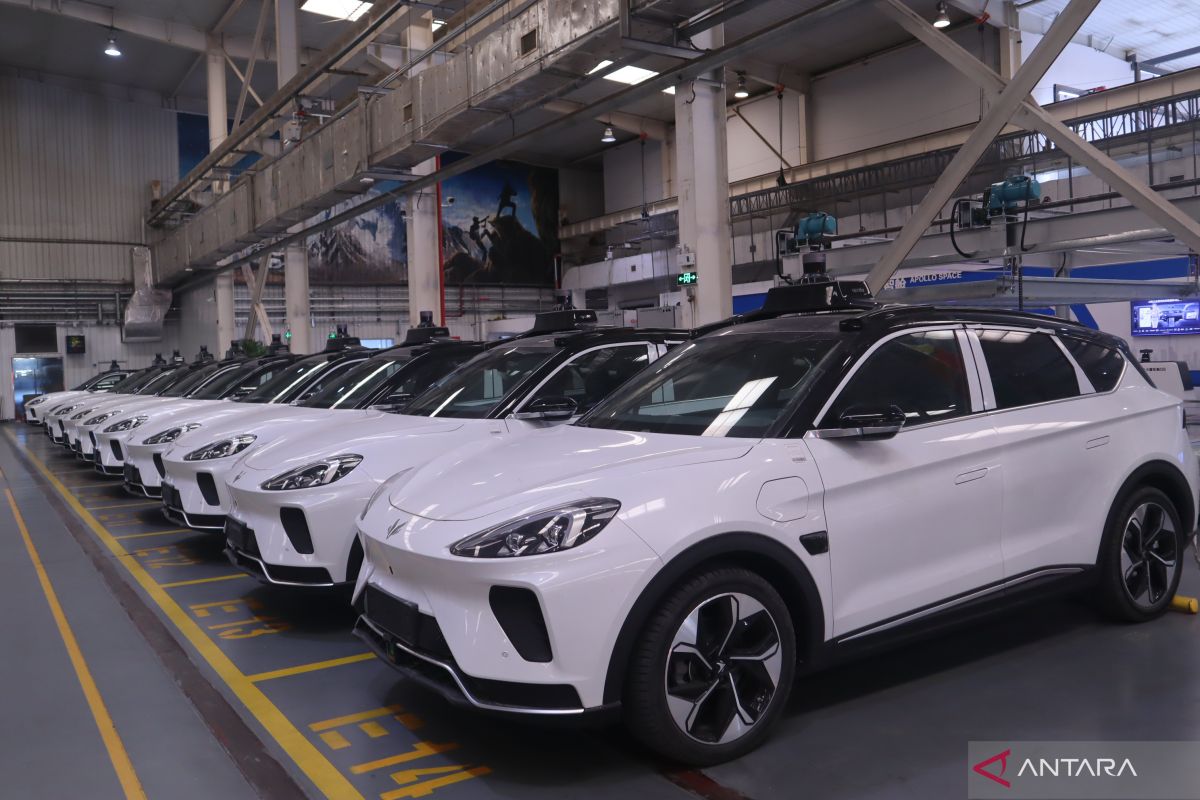
Mobileye has officially announced its entry into the future mobility industry by launching its own robotaxi service in the United States starting next year. CarsCoops reported on Tuesday (16/6) local time that this marks a new step for the company, which was previously known as a supplier of autonomous driving technology, as it becomes an operator of driverless transport fleets. The company also stated that it will commence robotaxi services in several major metropolitan areas in the United States. In the initial phase, the company will operate around 100 vehicles equipped with various sensors and scanning devices on the roof, as well as the front and rear of the vehicles. Mobileye claims the first phase of the launch will be carried out gradually. In the first phase, they will conduct operational vehicle trials under fully driverless conditions. The fleet will rely on Mobileye’s proprietary Mobileye Drive system, combined with the Moovit mobility platform. This technology encompasses a user application, multimodal journey planning, an autonomous vehicle control centre, a fleet management system, and integration with teleoperations infrastructure. Mobileye Chief Executive Officer Amnon Shashua said that the growing interest in autonomous mobility is making the industry increasingly dependent on a small number of technology providers. According to him, this situation opens up opportunities for a new approach supported by the company’s autonomous driving capabilities and established industry partnerships. Despite entering the robotaxi service business, Mobileye affirmed it will continue to supply Mobileye Drive technology to automotive manufacturers and other mobility operators. Further information regarding this project is scheduled to be announced at the Capital Markets Day event at the end of the year. Mobileye also mentioned it will partner with vehicle manufacturers that already have ready-to-use platforms for autonomous vehicle technology. Mobileye’s move further intensifies competition in the robotaxi sector, which was previously occupied by Tesla, Google’s Waymo, Amazon’s Zoox, and Uber, which is preparing a fleet of up to 50,000 vehicles based on the Rivian R2 and Lucid Gravity.