
MLFF System Not Yet Perfect, Fails to Capture Vehicle Data Accurately
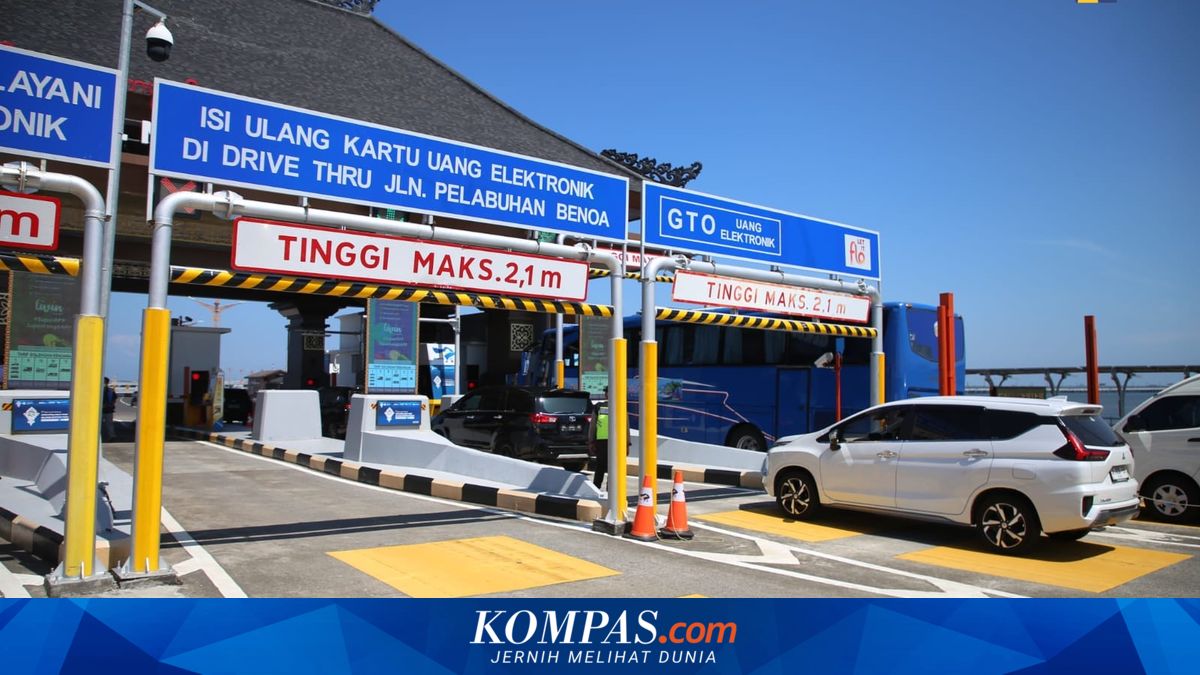
JAKARTA, KOMPAS.com - The non-cash, contactless, non-stop toll transaction system known as Multi Lane Free Flow (MLFF), which was touted as a solution to congestion at Indonesian toll gates, cannot yet be implemented in the near future.
Public Works Minister Dody Hanggodo has openly stated that this technology from Hungary is still far from perfect for application in Indonesia.
“Up to this moment, it is not perfect,” Dody emphasised in response to questions from Kompas.com on Saturday (28/3/2026).
Initial optimism for MLFF soared when the first trial was conducted on the Bali Mandara Toll Road.
However, evaluation results showed that the system has not been able to capture vehicle data with the expected accuracy.
This failure has prompted the Ministry of Public Works to reset and reschedule trials at other locations.
“Perhaps it works in their country, but Indonesia is different. There is weather, clouds, and unpredictable satellite movements. There are many obstacles that can prevent this system from functioning optimally. So, I cannot yet confirm its success,” Dody explained.
It is known that the Hungarian side, through Roatex Ltd., has poured in a massive investment of Rp 4 trillion for this project.
Although the figure has been claimed by the investors, the Public Works Minister prefers to focus on the substance of the contract and technical feasibility rather than just the investment amount.
“He who owns the technology must show it to me. Can the system capture what I want? I follow the contract stages; I want to test it first. Is this system suitable for use or not?” Dody added.
The technology offered by Roatex Ltd. through PT Roatex Indonesia Toll System (RITS) is based on the Global Navigation Satellite System (GNSS).
With this technology, vehicles do not need to stop or slow down at toll gates. Transactions are carried out automatically as the vehicle passes under the sensor (gantry).