
Mitsubishi hopes for equitable incentives across all vehicle variants
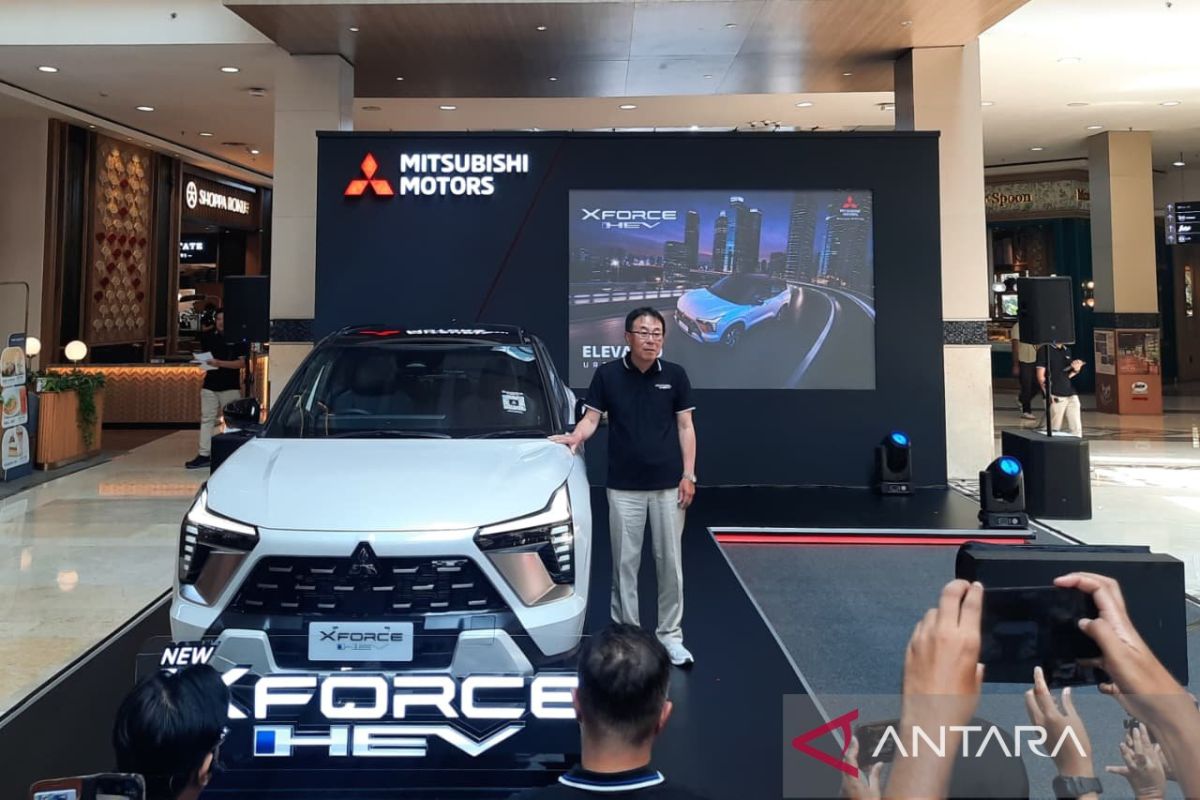
Jakarta (ANTARA) - President Director of PT Mitsubishi Motors Krama Yudha Sales Indonesia (MMKSI), Atsushi Kurita, expressed hope that the government would introduce an incentive policy that is evenly distributed across all vehicle variants in Indonesia. According to him, equitable incentives could stimulate all market segments and restore demand, which is currently weakening. “So these incentives are needed not only for hybrids or BEVs. Because right now, the Indonesian automotive market is unstable, and demand has fallen quite sharply,” said Atsushi Kurita in Jakarta on Thursday. Industry players believe that a policy which is fair to all vehicle segments can provide a positive stimulus to people’s purchasing power. With increased demand, the wheels of the national automotive industry are expected to turn again after experiencing a slowdown in recent times. This is because the sector has a multiplier effect on various other sectors, ranging from the components industry, logistics, financing services, to employment. As an illustration, sales data provided by the Association of Indonesian Automotive Industries (Gaikindo) recorded that wholesale segment sales in June 2026 reached 77,550 units, up from 69,219 units in May. Cumulatively from January to June 2026, vehicle distribution from factories to dealers reached 436,564 units. This achievement remains a challenge for the industry to pursue the national sales target of 850,000 units by year-end, making government incentives crucial to maintain market momentum. “Government support for the automotive industry should be fair and equitable, not specifically dependent on certain segments or variants. Because that will motivate the market to develop better and demand will increase again,” he explained. During the COVID-19 pandemic, the government provided relaxation on the Luxury Goods Sales Tax borne by the government (PPnBM DTP) for certain vehicles. This policy proved capable of boosting domestic car sales, which were under pressure due to the economic slowdown. Entering the electrification era, the government continued its support through VAT incentives for battery electric vehicles that meet domestic content level (TKDN) requirements. With this track record, industry players hope the government will once again issue more inclusive policies. Equitable support is believed to not only accelerate the recovery of four-wheeled vehicle sales but also maintain the competitiveness of the Indonesian automotive industry amidst market slowdowns and increasing global competition.