
Mitigating Supply-Chain Risks in the Palm Oil Industry
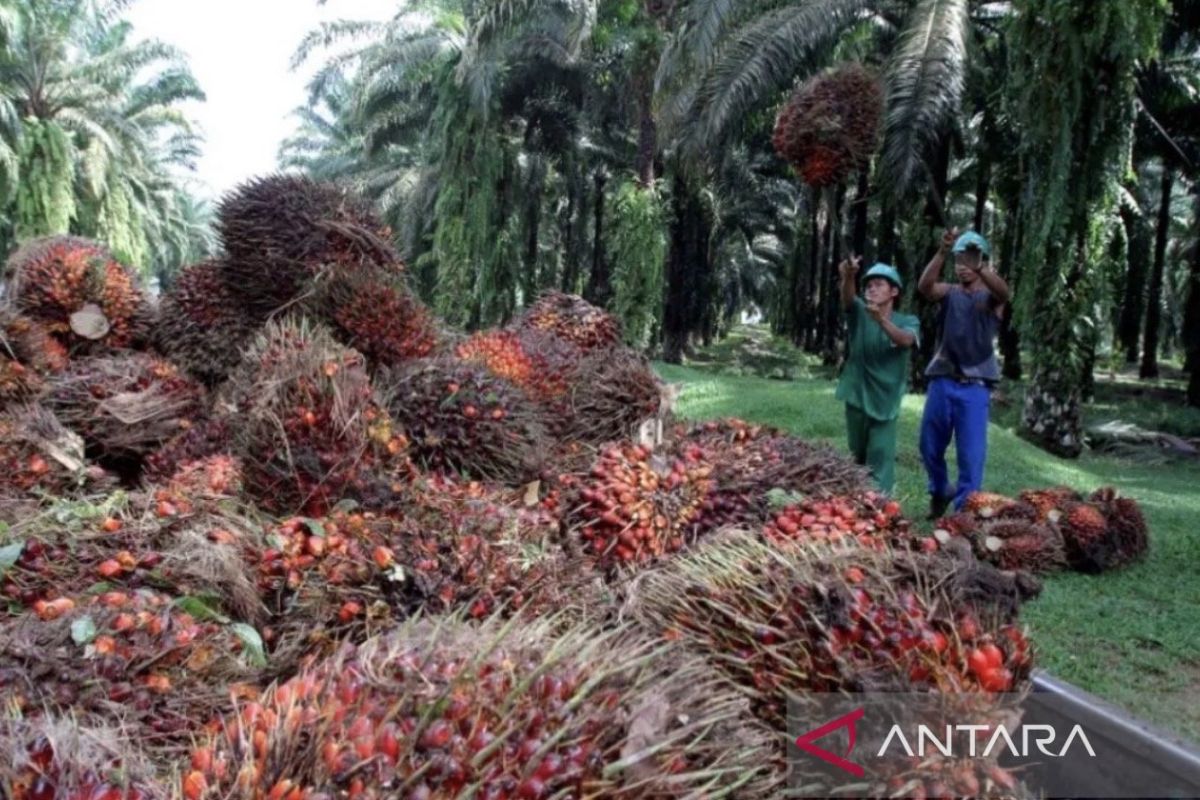
Jakarta (ANTARA) — Indonesia’s palm oil industry is facing its toughest test in a decade.
A report published in mid-October 2026 by research organisation S&P Global, titled “Energy disruption and El Niño: Leading to a global food crisis?”, has sounded a serious warning.
The lethal combination of a super El Niño weather anomaly, systemic disruption to global fertiliser supplies and an energy crisis has placed this strategic sector in jeopardy.
Rather than celebrating rising domestic demand, the country is facing the threat of a real supply deficit that could trigger a multidimensional economic crisis.
The first threat comes from extreme weather affecting the archipelago.
Super El Niño is not only scorching major production centres in Sumatra and Kalimantan, but also paralysing vital logistics routes.
Falling water levels in the Kapuas River have left barges carrying palm oil stranded for days.
Citing data from the Indonesian Palm Oil Association (GAPKI), the drought is projected to cut national crude palm oil production by as much as three million tonnes.
This decline is expected to deal a serious blow to Indonesia’s position as the world’s leading supplier.
Ironically, as plantation output falls, demand to divert palm oil into vehicle fuel tanks is growing.
Mandatory biodiesel regulations are intensifying competition between food needs and fuel consumption.
S&P Global’s analysis projects that domestic industrial palm oil consumption will soon exceed 18.4 million tonnes.
That is a huge increase on a decade ago, which will automatically reduce export volumes and cut the allocation of cooking oil for the domestic market.
This contradiction continually creates a major structural dilemma for the national resilience system.
The food-versus-energy dilemma
Current market volatility highlights the vulnerability of the country’s agricultural supply chains to external shocks.
The war in the Middle East is producing a rapidly spreading domino effect that is reaching smallholder plantations.
Soaring fertiliser and fuel prices are squeezing the profit margins of independent farmers, who manage 40 per cent of the country’s oil palm land.
According to S&P Global’s commodity report, the global benchmark price of urea fertiliser is now holding at around US$453 a tonne.
The sharp rise in production costs is being compounded by shortages of sulphur supplies from the Strait of Hormuz, as sulphur is a crucial input for fertiliser and its price surged early this year.
Farmers are also under mounting pressure because millions of barrels of international diesel supplies have been disrupted.
Diesel is not just another fuel: it powers tractors, harvesting equipment and logistics trucks.
With daily operating costs soaring while harvest volumes fall because of the weather, farmers are repeatedly confronted with a painful choice: drastically reduce fertiliser use or leave their land uncultivated.
Both options inevitably lead to one consequence: long-term damage to plantation productivity, with the potential to undermine the competitiveness of Indonesia’s commodities on the global stage.
Meanwhile, the government’s ambitious mandatory biodiesel programme is creating serious knock-on problems.
A special report by the United States Department of Agriculture projects that Indonesia’s palm oil export capacity will fall sharply to 23.1 million tonnes.
The main reason is clear: much of the harvest is being diverted to meet domestic fuel quotas.
The effort to reduce spending on imported crude oil risks causing a new problem: lost export earnings alongside higher cooking-oil prices.
If left unresolved, food inflation could escalate into a hunger crisis for many low-income communities.
A way out of the crisis
Given the complexity of these problems, simply criticising the situation without offering solutions would not be wise.
A recalibration of policy is urgently needed, with a clear focus on long-term food security.
The first practical step the government should take is to establish a dynamic biodiesel quota mechanism.
The blending rate for biofuel must be adjusted in line with actual fluctuations in national palm oil production.
When harvest volumes fall sharply because of prolonged drought, the mandatory biodiesel blend should be reduced promptly to safeguard cooking-oil supplies.
This adaptive approach is a logical way to prevent one domestic sector from cannibalising another.
The second practical step is to accelerate self-sufficiency in fertiliser supplies by finding innovative ways to use biomass waste from palm oil mills.
Empty fruit bunches and industrial wastewater have considerable potential to be processed into organic fertiliser.
According to research published by plantation research centres, replacing some chemical fertiliser inputs with products made from waste has proved effective in preserving soil nutrients and easing farmers’ operating costs.
Relevant ministries should now develop targeted tax incentives for mill operators willing to build their own organic fertiliser facilities.
Through such regulatory incentives, the industry’s absolute dependence on imported urea and sulphur could gradually be reduced in a cost-effective and environmentally friendly way.
Indonesia’s palm oil industry should not be viewed merely as a short-term foreign-exchange earner, but as a key pillar of economic resilience.
Collective efforts to protect this vast industry are ultimately about shielding millions of hard-working employees from the harsh effects of global crises.
The powerful shocks of global geopolitical tensions and extreme weather anomalies must be turned quickly into an opportunity for progressive transformation, reshaping plantation governance to make it more resilient in the future.
Without cross-ministry reforms to the protection system, national resilience is certain to falter.
Ultimately, the government’s ambition to achieve clean energy self-sufficiency must not come at the cost of household cooking-oil supplies.
Effective public administration requires an exceptionally precise balance between the promise of biodiesel and the stark reality of plantation reserves.
All stakeholders should closely monitor government policy to ensure that palm oil remains a force for improving social welfare, rather than becoming an agent of a devastating hunger crisis that gradually extinguishes hope for Indonesia’s future.