
Mitigating Blackout Risk: Geothermal Energy as a Strategic Solution for Energy Resilience
The risk of large-scale power outages, or blackouts, is a serious challenge that must be anticipated to maintain the stability of the national electricity system. Energy observer Feiral Rizky Batubara stated that the stability of the electricity supply is crucial due to its wide-ranging impact, from daily public activities to the continuity of the industrial sector.
According to Feiral, blackouts can be triggered by various complex factors, such as imbalances between supply and demand, disruptions to physical infrastructure, and the increasing complexity of the energy system alongside growing national electricity needs. If not mitigated, this instability risks hindering industrial production processes, increasing operational costs, and disrupting the overall supply chain.
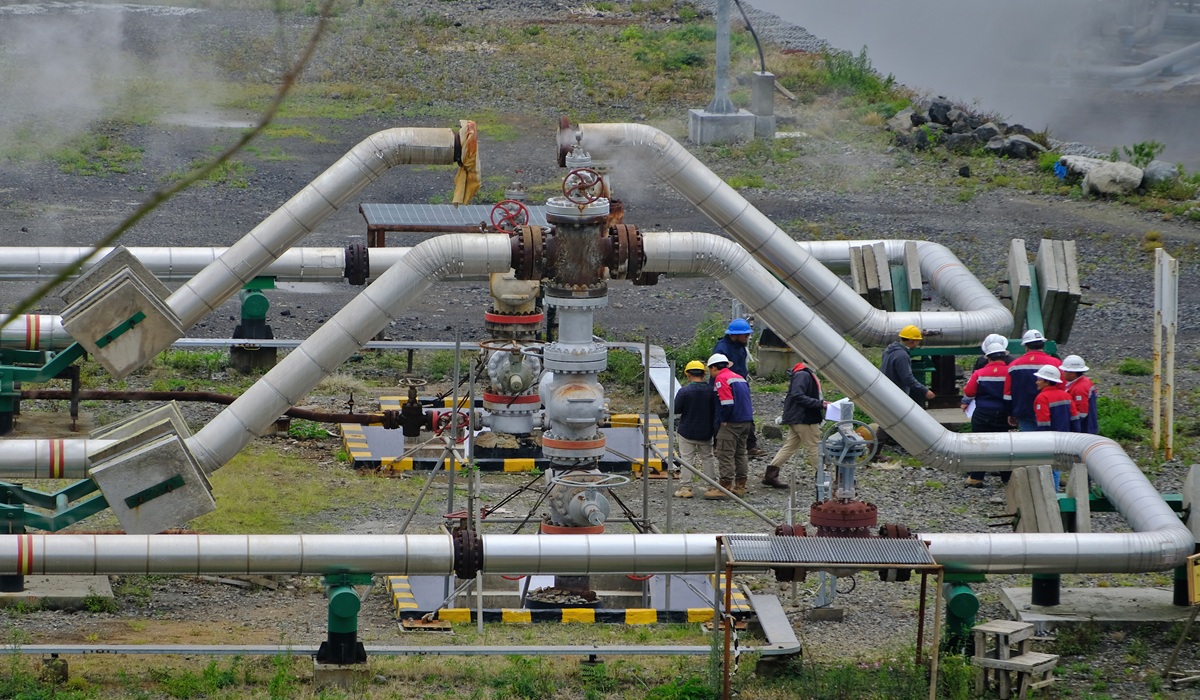
As a mitigation measure, Feiral proposed strengthening the system through the diversification of energy sources, where geothermal energy plays a strategic role. Unlike other renewable energy sources that depend on weather conditions, geothermal energy is stable and reliable.
“In my opinion, geothermal can be one of the strategic options to strengthen the national electricity system resilience, especially as part of anticipating blackout risks. Its character is stable, it can operate 24 hours a day, it is not weather-dependent, and it can serve as baseload in the electricity system,” Feiral said when contacted on Tuesday (30/6/2026).
Indonesia possesses significant capital to optimise this sector. Currently, Indonesia holds approximately 40 per cent of the world’s geothermal reserves. However, its utilisation remains minimal compared to the available potential.
Despite the abundant potential, Feiral acknowledged that geothermal development is still shadowed by several classic challenges. Very high initial investments, issues regarding economic tariffs, complex licensing, and the readiness of network infrastructure are hurdles that need to be addressed immediately.
He emphasised that the development of geothermal power plants cannot stand alone. There is a need to strengthen transmission and distribution networks, increase power reserves, and integrate supporting technologies such as Battery Energy Storage Systems (BESS) and the digitalisation of the electricity grid.
“The key is not to choose just one technology, but to build an electricity system that is more resilient, distributed, flexible, and possesses adequate reserves,” he concluded.
Policy support in the form of exploration risk-sharing schemes and the simplification of licensing is expected to accelerate the realisation of ambitious targets in the 2025–2034 Electricity Supply Business Plan (RUPTL) to maintain national energy sovereignty.