
Misuse of AI for Deepfake Pornography Seen as Evidence of Weak Digital Ethics
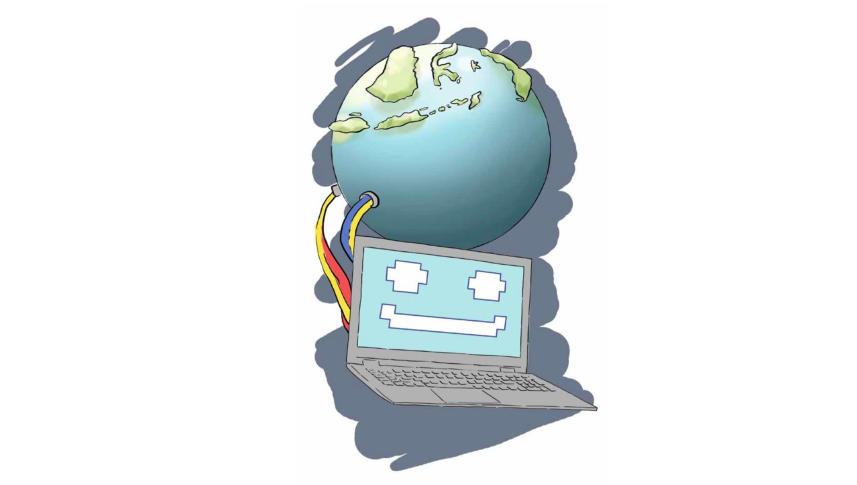
The National Commission on Violence Against Women (Komnas Perempuan) assesses that the increasing use of artificial intelligence (AI) technology to create deepfake pornographic content demonstrates weak ethics in the utilisation of digital technology. Indonesia is increasingly being viewed as a base of operations for transnational digital crimes.
Komnas Perempuan Commissioner Chatarina Pancer Istiyani stated that technology is fundamentally merely a tool. However, problems arise when technology is used irresponsibly and without considering the impact on others. “Technology is fundamentally amoral. It is humans who are moral,” Chatarina told Media Indonesia on Monday (18/5).
This statement was made in response to the alleged use of deepfake technology to create vulgar content targeting a student from Tanjungpura University. According to Chatarina, similar practices are not limited to a single campus but are appearing in various other locations.
She explained that deepfake pornography is generally created by taking a person’s face and merging it with the body from other pornographic content using AI technologies such as face swapping. This content is then distributed via social media or digital platforms.
According to her, many perpetrators consider such actions to be mere jokes or mischief. In reality, these actions constitute criminal offences because they are carried out without the victim’s consent. “Even if it is just mischief, in my view, it constitutes a criminal act of sexual violence, because it is undoubtedly without consent,” she said.
Komnas Perempuan assesses that the deepfake issue cannot be viewed solely as a technological issue, but also as a problem of digital culture and social ethics. Chatarina noted that low awareness regarding the boundaries of AI use makes the technology easy to misuse to shame, demean, and exploit women.
She emphasised that the impact experienced by victims cannot be taken lightly. Victims may suffer psychological trauma, loss of security, and damage to their reputation within social and professional environments. “The loss is equivalent to the damage caused to the physical self,” she said.
In addition to pushing for law enforcement through the Sexual Violence Crimes Law (UU TPKS), Komnas Perempuan also believes that education regarding the ethics of AI use needs to be strengthened from an early age, particularly among young people and social media users.
According to Chatarina, society needs to understand that technological progress does not always align with the moral readiness of its users. Therefore, digital literacy should not only teach how to use technology but also how to use it responsibly.
On the other hand, Komnas Perempuan is encouraging academics and technology researchers to develop prevention or detection systems against deepfake pornographic content. The commission has even held discussions with researchers at the University of Indonesia regarding the possibility of developing such technology. “Awareness in the use of technology is very important,” said Chatarina.