
Misbakhun: KEM-PPKF 2027 Reflects Optimism and Fiscal Prudence
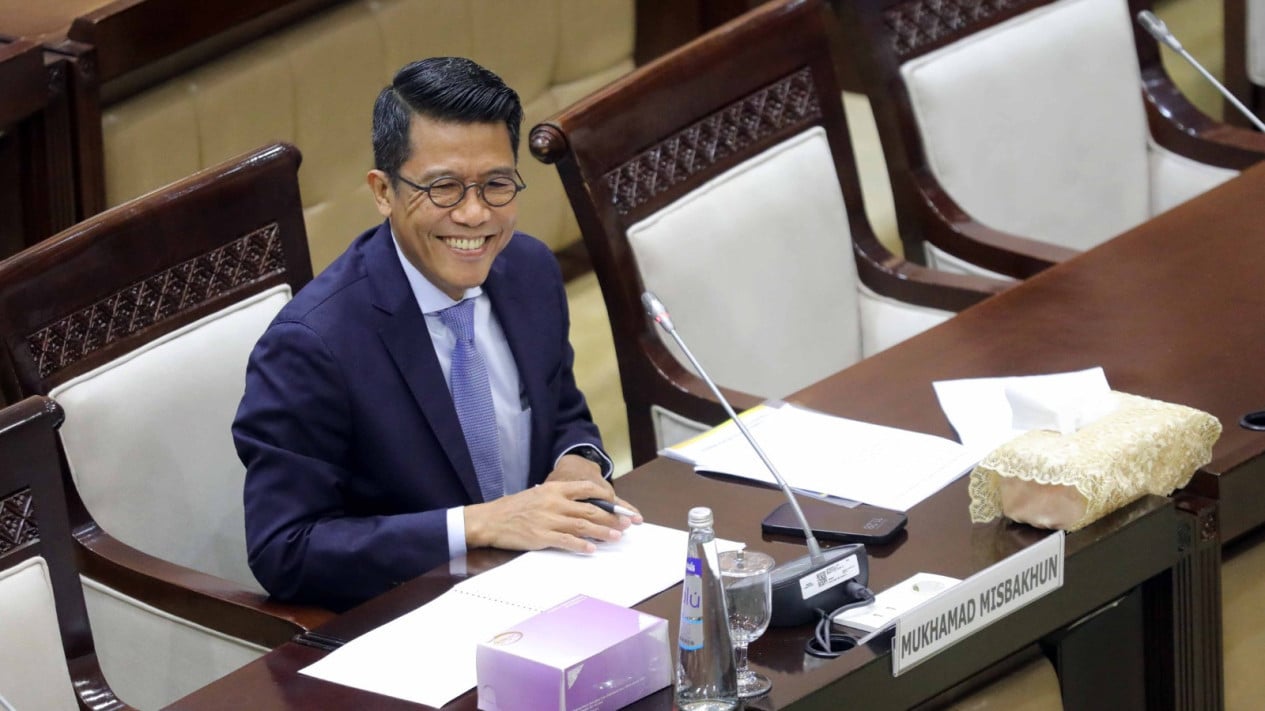
Jakarta – Chairman of Commission XI of the Indonesian House of Representatives, Mukhamad Misbakhun, appreciated the delivery of the Macro Economic Framework and the Main Policy of Fiscal Policy (KEM-PPKF) for 2027 by President Prabowo Subianto in the DPR plenary session on Wednesday, 20 May 2026. According to him, the policy direction signals the government’s optimism in maintaining the momentum of national economic growth amid high global uncertainty. “The government shows a reasonably measured optimism. The growth target is kept, but the macro assumptions used also reflect caution in reading global dynamics,” Misbakhun said in a written statement from Jakarta, on Thursday, 21 May 2026. Misbakhun assessed that the 2027 growth target in the range of 5.8 to 6.5 percent demonstrates the government’s commitment to strengthening investment, domestic consumption, and the national productive sector. Meanwhile, inflation assumptions in the range of 1.5 to 3.5 percent reflect efforts to maintain purchasing power and price stability. He also viewed the Rupiah exchange-rate assumption at around Rp16,800 to Rp17,500 per US dollar and the 10-year SBN yield at 6.5 to 7.3 percent as part of the government’s anticipation of volatility in international financial markets. Nevertheless, Misbakhun believes that a higher growth target must be accompanied by strengthening the real sector so that the benefits are truly felt by the people through job creation and increased purchasing power. Therefore, he stated that the 2027 APBN should be directed to strengthening national productivity through effective public spending, downstream industrial activities, and support for the domestic business sector. “Economic growth is not enough to be strong only at macro figures; it must also be able to mobilise the people’s economy and strengthen the national business sector,” he said. On the other hand, Misbakhun reminded that the growth target must be supported by healthy fiscal space amid global pressures, especially related to energy prices and Rupiah volatility. He said the assumptions for Indonesia’s crude oil price at around USD70 to USD95 per barrel indicate that the government needs to prepare a flexible APBN to face geopolitical turmoil and world energy markets. “If oil prices rise when the Rupiah is under pressure, the impact could immediately affect energy subsidies, import costs, and domestic inflation. So fiscal discipline must be maintained with prudent policies and consistent execution,” he added.