
Misbakhun: 2027 Regional Transfers Not Yet Final, Regional Aspirations Remain a Focus
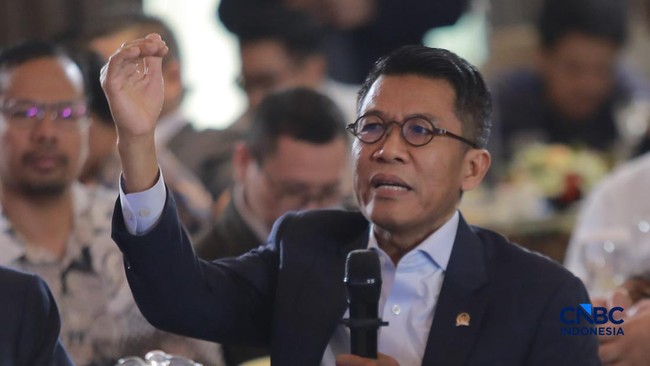
Jakarta, CNBC Indonesia - Chairman of Commission XI of the Indonesian House of Representatives (DPR RI), Mukhamad Misbakhun, has stressed that the amount for Regional Transfers (TKD) for the 2027 Fiscal Year has not been finalised. The official TKD figure is still awaiting the process of drafting the Financial Note and the 2027 Draft State Budget (RAPBN), which will be submitted by the government to the DPR. Misbakhun stated that various figures appearing in the public domain should be viewed as part of the dynamics of fiscal policy discussions, not as a final decision. He therefore asked regional governments to continue following the state budget process proportionally. “We understand the aspirations and concerns of regional governments. Therefore, Commission XI will oversee the discussion process for the 2027 TKD to ensure the formula remains fair, rational, and aligned with regional development needs,” Misbakhun said in a written statement in Jakarta on Friday (26/6/2026). Misbakhun explained that from initial discussions between the Minister of Finance and the DPR, the government has opened room for the 2027 Fiscal Year TKD to be better than the previous year. He emphasised that the final amount must still await an official decision within the RAPBN discussion cycle. Misbakhun then cited the example of the 2026 State Budget, where the TKD allocation was set at Rp693 trillion after an additional Rp43 trillion was added from the initial draft. According to Misbakhun, the experience of discussing the 2026 State Budget shows that regional aspirations remain a concern for the government and the DPR in determining fiscal policy design. “The government understands regional aspirations. We in the DPR also continue to request that development carried out by regional governments still receives adequate fiscal space, especially for basic services, infrastructure, and strengthening local economies,” he said. In a broader context, Misbakhun assessed that the state budget’s alignment with the regions is not solely determined by a single budget item. Within the continuously growing volume of the state budget, Misbakhun noted, development can be carried out through TKD as well as central government spending, as long as the benefits are genuinely felt by the people in the regions. “The most important thing is that the people in the regions continue to receive the benefits of development. The instruments can be discussed, but the final result must be tangible, measurable, and answer the needs of the community,” Misbakhun stated.