
Mis-targeted Social Assistance Leaves State Wasting Rp2.2 Trillion
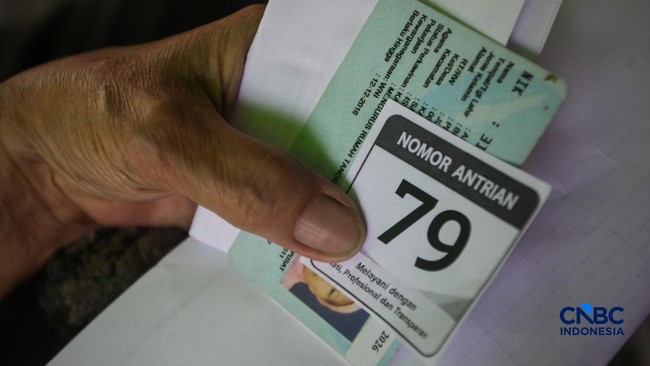
Jakarta, CNBC Indonesia — The Supreme Audit Agency (BPK) found that the selection and distribution of social assistance by the Ministry of Social Affairs did not comply with recipient criteria in 2025. According to BPK’s calculations, this resulted in Rp2.2 trillion in inefficient state spending and overpayments of Rp28.84 billion.
The findings are set out in the Summary of Audit Results for the First Half of 2026. Documents received by CNBC Indonesia show that the assistance in question included the Family Hope Programme (PKH), staple food assistance and Temporary Cash Assistance for Community Welfare (BLTS Kesra).
“These problems resulted in social assistance expenditure being mis-targeted, causing state spending inefficiencies of Rp2.2 trillion and overpayments of Rp28.84 billion,” the report said, as quoted on Tuesday, 13 October 2026.
BPK said assistance had been provided to beneficiary families whose members included civil servants or their relatives, social assistance facilitators or their relatives, as well as online gamblers. Payments were also made to recipients who had died or could not be found.
BPK also found indications that assistance had been allocated to beneficiary families whose population-registration data did not match. In addition, some recipients fell outside the designated income deciles.
The Ministry of Social Affairs has traditionally provided staple food assistance to beneficiary families in deciles one to five. From the first quarter of this year, however, eligibility was narrowed to families in deciles one to four.
In response to these findings, BPK recommended that Social Affairs Minister Saifullah Yusuf establish control mechanisms for determining assistance recipients, including validating and verifying recipient data in coordination with relevant agencies.
BPK also asked the minister to process the Rp28.84 billion in overpayments in accordance with the rules and return the money to the state treasury.
The government is meanwhile updating its social protection system through Digital Social Protection, intended to ensure assistance such as the Family Hope Programme reaches eligible recipients ahead of 2027.
The digital system is expected to launch fully in the third week of October 2026. Its trial is being expanded to 258 regencies and municipalities, with a target reach of 48 million families.