
Mirae Asset Says MSCI Proposal Risks Pressuring Bond Market
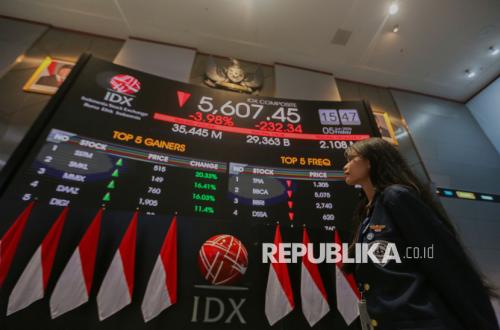
JAKARTA — Mirae Asset Sekuritas Indonesia says a proposal by Morgan Stanley Capital International (MSCI) to change the classification of Indonesia’s stock market could put pressure on the bond market by affecting sentiment and foreign capital flows. The global review has drawn serious attention from domestic financial industry players.
Jessica Tasijawa, a fixed-income analyst at Mirae Asset Sekuritas Indonesia, said in a statement in Jakarta on Monday (19 October 2026) that pressure on the share market could spread to government securities if global investors reduce their exposure to Indonesian financial assets. The situation calls for heightened vigilance among stakeholders.
The shift in sentiment could also put pressure on the rupiah. Foreign investors selling domestic assets may convert the proceeds into foreign currencies, adding to pressure on the rupiah.
Further rupiah weakness could constrain Bank Indonesia’s scope to ease monetary policy. This could prevent government bond yields from falling, even if global markets improve.
Jessica noted that the yield on 10-year government bonds briefly reached 7.33 per cent at the market opening. She said rising government bond yields amid falling US Treasury yields indicated additional pressure from domestic factors.
“An increase in the 10-year government bond yield to 7.24 per cent when US Treasury yields were previously falling also points to additional domestic pressure. One factor to watch is currency risk. If sentiment towards MSCI deteriorates and prompts investors to reduce their holdings of domestic assets, converting the proceeds into foreign currencies could add to pressure on the rupiah,” Jessica said.
On 15 October 2026, MSCI began a consultation on a proposal to reclassify Indonesia’s stock market from an emerging market to a standalone market. The strategic move has become a major talking point among economists.
The proposal comes amid concerns about share-ownership transparency, free-float quality and alleged coordinated trading activity. These governance issues are a key focus for the global index provider.
A final decision is scheduled no later than the end of June 2027. Market participants are closely monitoring developments throughout the consultation.
Rully Arya Wisnubroto, head of research and chief economist at Mirae Asset Sekuritas Indonesia, said the reclassification could have long-term consequences for the domestic capital market, including Indonesia’s position in global equity indices and its access to international institutional investors. Domestic market valuations, he said, depend heavily on regulatory certainty.
If Indonesia is removed from emerging-market indices tracked by global investment products, passive investors following those indices could sell. Active institutional investors may also adjust their allocations.
“The risk is not only the amount of foreign capital that could leave. Over the longer term, this reclassification could narrow the institutional investor base, reduce market liquidity and increase the risk premium investors demand to invest in Indonesian shares. In other words, the impact could extend well beyond the selling pressure we are seeing now,” Rully said.