
Ministry stresses public understanding crucial for accurate decile determination
The Ministry of Population and Family Development (Kemendukbangga)/BKKBN has emphasised the importance of public understanding of their economic status and answering data collectors’ questions honestly for decile determination.
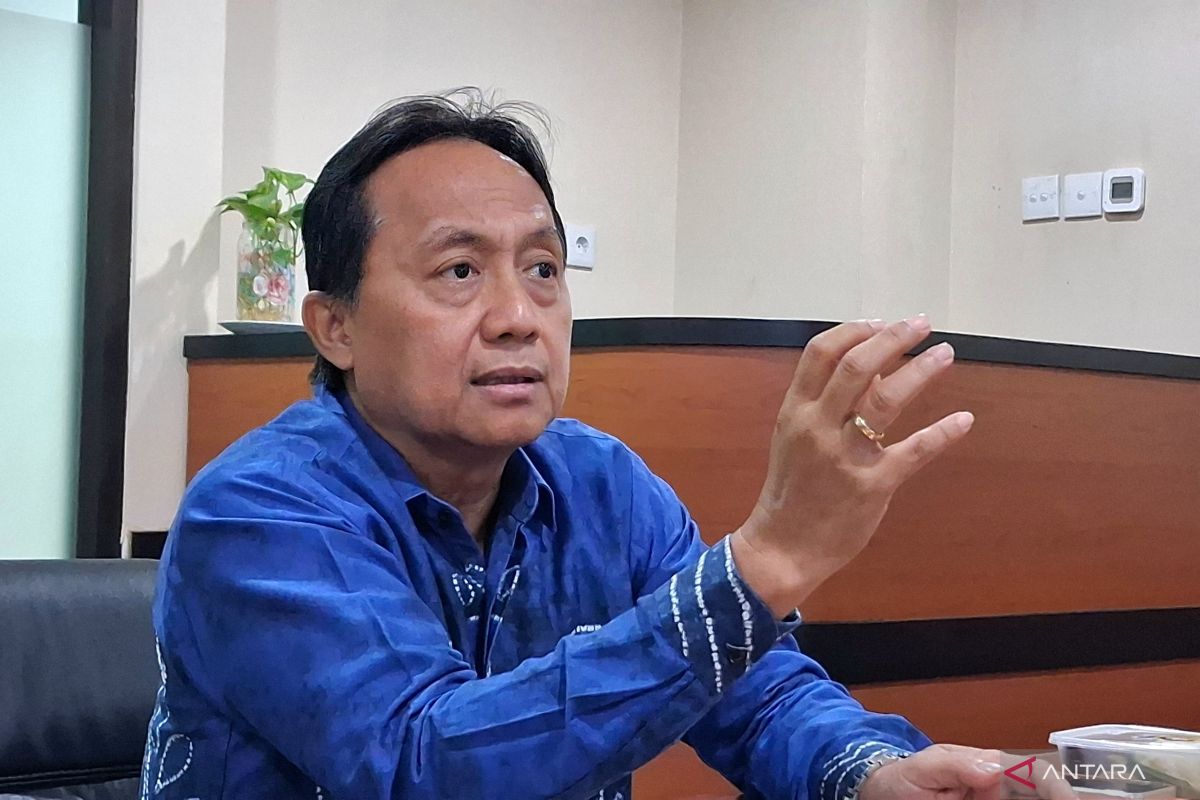
“But understanding is indeed needed regarding what is actually being sought in the field with that data, and the reality is, when working as an enumerator, it is not easy to collect data in the field, not to mention being rejected, and people also come and answer carelessly. That is what sometimes the public does not understand about what is being conveyed, so it becomes a boomerang for themselves,” said Deputy for Population Control at Kemendukbangga/BKKBN Bonivasius Prasetya Ichtiarto in Jakarta on Wednesday.
He made the statement in response to the controversy over decile determination, which has become a heated public debate because it does not match actual conditions on the ground. Decile is a grouping based on welfare levels, divided from poor to prosperous.
Kemendukbangga/BKKBN also stressed the importance of the public not answering carelessly when asked by Statistics Indonesia (BPS) officers, given that the decile determination will ultimately benefit the public themselves.
“Take for example a becak driver or other professions. When asked by an officer, some answer carelessly, ‘Ah, my income is large, I just bought a motorbike, oh there is a TV,’ and so on, while the officer is only recording. Here, it actually does not only return to the government; the public should also be aware, come on, answer correctly because it will actually come back to themselves,” he said.
“Come on now, provide correct data because it impacts themselves, including the economy. If they convey incorrect information, then ultimately government policy will also be wrong. That is what is important regarding data,” said Bonivasius.
To achieve data synchronisation, he also highlighted the importance of improving the capabilities of enumerators in the field.
They need to be equipped and trained with interview skills and tiered supervision to prevent data mismatches with the actual economic conditions of the community.
“In the past, we were trained in how to conduct good interviews, dig deeper, verify data, and after that there were supervisors to confirm, ‘Is this correct? According to the neighbourhood head, he is a becak driver, why is his salary listed as large?’ So there was supervision there as well, it was tiered, so the likelihood of mismatches occurring in the field like that was small,” he said.