
Ministry Strengthens Prevention of Human Trafficking Through Education and Village Empowerment
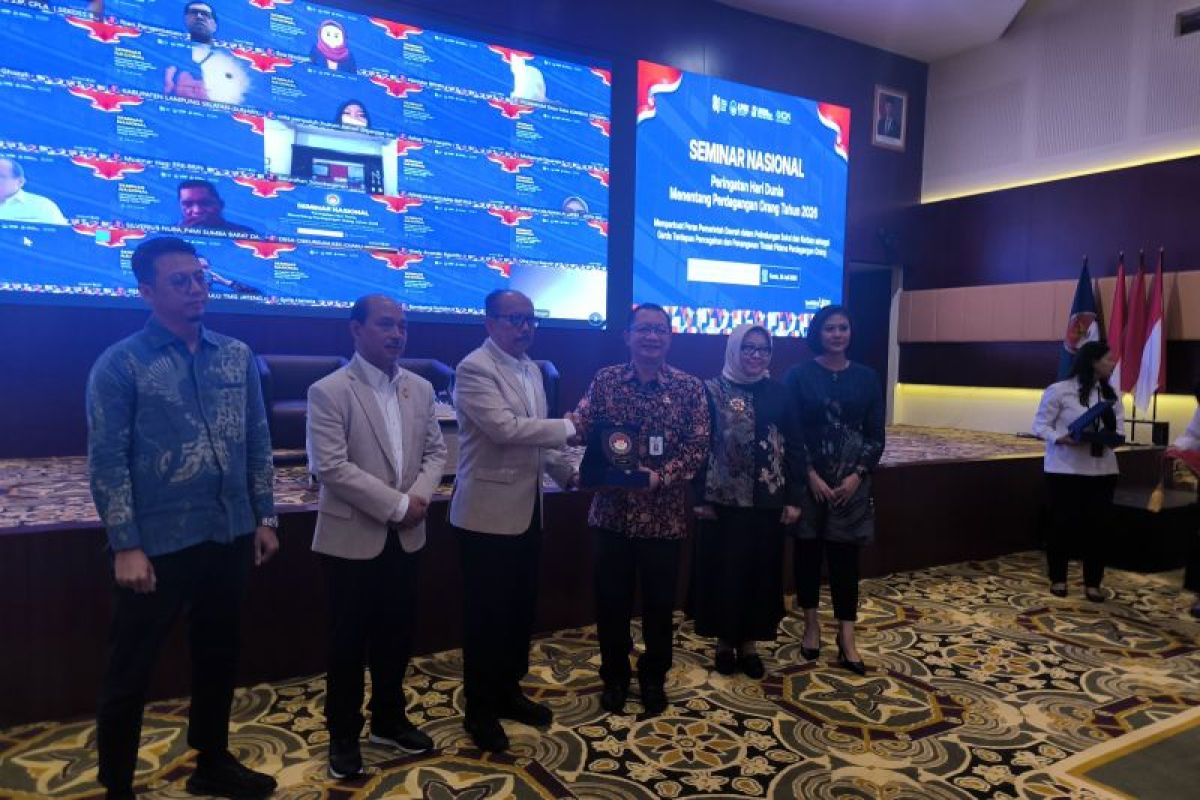
Jakarta (ANTARA) - The Ministry of Villages and Development of Disadvantaged Regions (Kemendes PDT) is strengthening efforts to prevent the crime of people trafficking (TPPO) through public education, early detection of prospective migrant workers, and village economic empowerment.
These measures are being taken so that residents are not driven to seek employment through risky channels.
Secretary-General of Kemendes PDT Taufik Madjid said in Jakarta on Thursday that the government is applying two main strategies: prevention and community empowerment.
“We are taking preventive action. Together with the Ministry of Women’s Empowerment and Child Protection, we have established Women-Friendly and Child-Caring Villages. These serve as spaces for mediation while also stimulating villages to become friendly towards women and children,” said Taufik.
He explained that village governments are also being encouraged to identify every resident intending to work abroad, particularly in areas known as migrant worker pockets, so that the entire departure process complies with applicable procedures and regulations.
According to him, early detection by village governments is necessary to prevent residents from being tempted by illegal job offers that could lead to people trafficking.
“It must be legal, it must meet the requirements and regulations, and it must be identified by the village government. We must not have village residents who wish to earn higher incomes by working abroad through instant means,” he said.
Taufik said these various programmes form part of the implementation of the President’s Astacita vision, which places villages at the centre of development while creating employment opportunities so that people can continue to improve their welfare without having to migrate due to economic pressure.
“These empowerment programmes are being brought to villages so that people feel comfortable and realise that it is indeed possible in the village to change from being poor to not being poor. There is an increase in family incomes in the village,” said Taufik.