
Ministry Seeks Balance in Copyright Protection Amid AI Era
The Ministry of Communication and Digital Affairs (Kemkomdigi) is striving to maintain a balance between the interests of the technology industry, media, musicians, filmmakers, and digital creators in the drafting of the Copyright Bill, especially in the era of artificial intelligence (AI).
Deputy Minister of Communication and Digital Affairs Nezar Patria stated that the development of AI presents a new challenge for creative work in the digital space, necessitating fair regulations for all ecosystem players. “The ecosystem affected by the Copyright Law is very broad. Not just the media, but also digital creators, filmmakers, musicians, and digital platforms. Therefore, we are trying to find a middle ground that can accommodate all interests,” Nezar said in a statement received in Jakarta on Thursday.
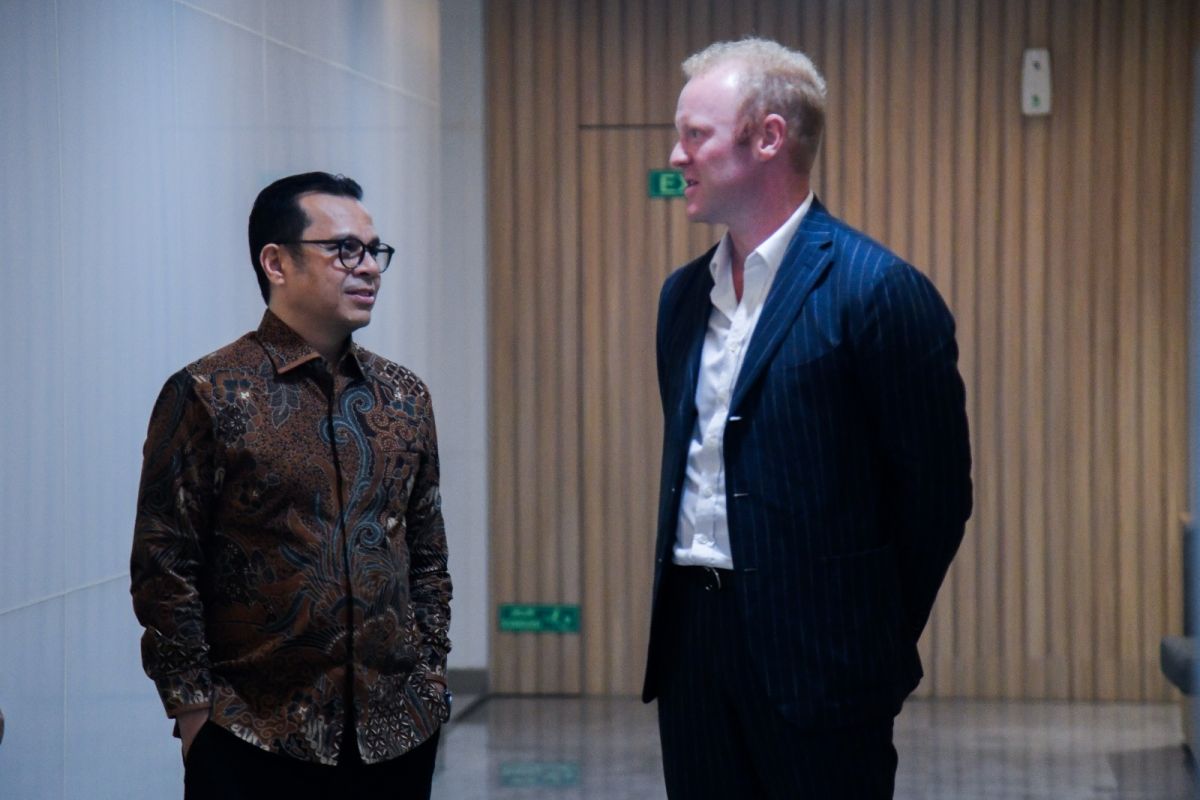
He made these remarks after recently receiving a visit from the Vice President of Video on Demand (VOD), Digital Affairs and Intellectual Property for the Motion Picture Association (MPA) Asia Pacific, James Cheatley, at the Kemkomdigi office in Central Jakarta. During the discussion on the Copyright Bill, the use of creative works as training data for AI emerged as a topic of lengthy debate. The government recognizes the concerns of publishers and creative industry players facing changes in content consumption patterns due to generative AI technology.
Consequently, the formulation of copyright regulations must provide legal certainty while protecting the sustainability of the national creative industry. The bill is currently under discussion, and Kemkomdigi is actively providing input to ensure the regulation accommodates the dynamics of the digital ecosystem.
Beyond copyright issues, the meeting also touched upon the revision of the Broadcasting Law. Nezar emphasized that the business logic of streaming platforms is different from that of conventional broadcasting, requiring a distinct regulatory approach. “We do not want to rush in formulating regulations that will have a long-term impact on the national digital industry. We want to ensure that every policy is drafted carefully, based on dialogue, and can create a balance between copyright protection, technological development, industrial interests, and the public interest,” Nezar concluded.