
Ministry: Robotics presents new career opportunities for vocational school graduates
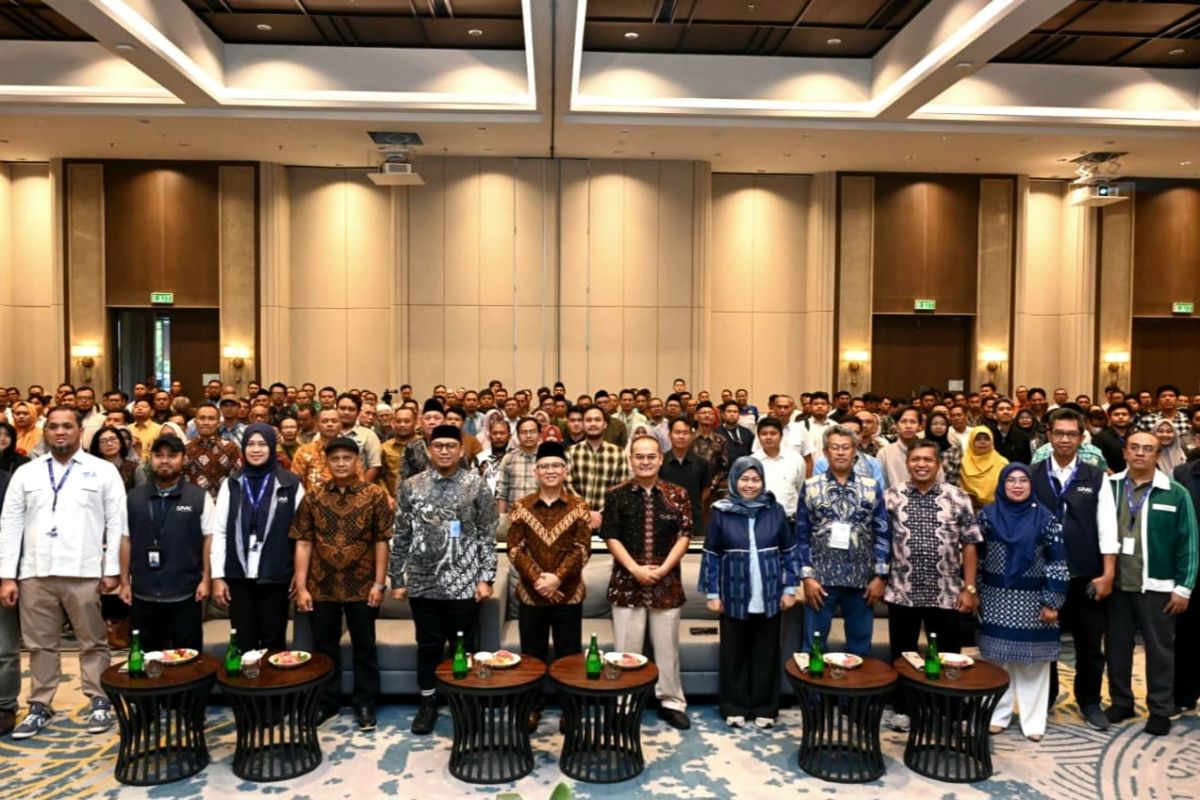
Robots will not replace all human jobs, but rather create new types of work that require higher value-added skills. The Ministry of Primary and Secondary Education has stated that the field of robotics can become a new career opportunity for graduates of vocational high schools (SMK). Director of SMK at the ministry, Arie Wibowo Khurniawan, said the manufacturing, logistics, automotive, food and beverage, electronics, and warehousing industries are increasingly adopting automation and robotics systems. “The need for labour is beginning to shift from manual jobs to jobs that demand the ability to operate, maintain, and develop automated systems,” Arie said during a webinar entitled Creating the Future: Robotics as a Career Opportunity for Vocational Students in Central Jakarta on Friday. He said robots will not replace all human jobs, but rather create new types of work that require higher value-added skills. The jobs needed include system integration, programming, robot maintenance, data analysis, and the development of automation-based solutions. For this reason, he considers robotics no longer just a technology of the future, but something that has become part of operations in various industrial sectors. “Robotics is not merely a future technology, but has become part of various industrial sectors today. Its development opens up vast career opportunities for our students,” he said. In line with this condition, he believes SMK graduates already have a strong foundation through various skill competencies developed in the curriculum, such as mechatronics engineering, industrial electronics engineering, industrial automation engineering, mechanical engineering, electrical power engineering, software engineering, and computer and network engineering (TKJ). Therefore, Arie stressed that the learning of these various competencies should no longer be conducted separately, as the current world of work demands integrated mastery of various fields of knowledge.