
Ministry Prepares Incentives for Regions Succeeding in Population Development Roadmap
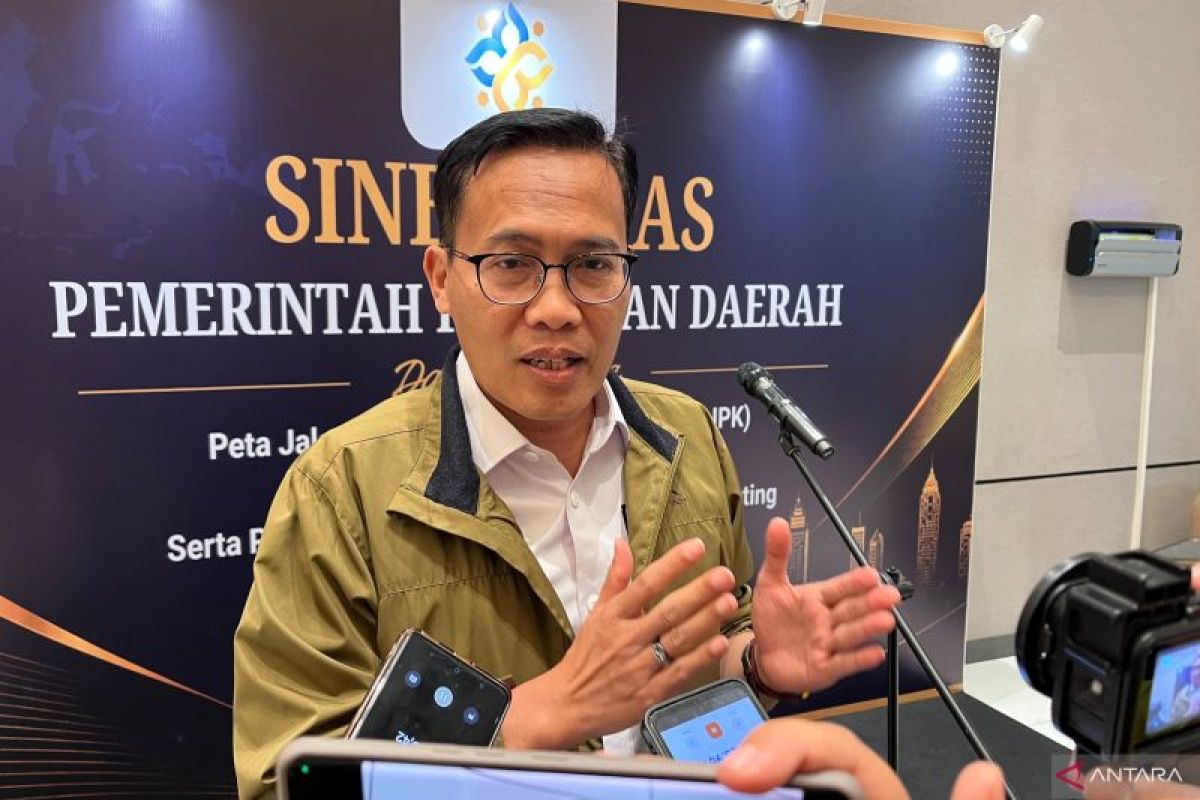
The Ministry of Population and Family Development (Kemendukbangga)/BKKBN is preparing incentives for regions that successfully implement the Population Development Roadmap (PJPK) with good results.
Ministry Secretary Budi Setiyono stated during a synergy event in Cibinong, Bogor Regency, West Java, on Monday that the provision of these incentives is being discussed with the Ministry of Home Affairs (Kemendagri).
“Later, if we evaluate them and they have achieved good performance, we will seek further incentives. We have agreed with Kemendagri. The amount is still under discussion,” Budi said.
He explained that the incentives are planned to be granted in 2027, with the mechanism and amount still under discussion with Kemendagri.
According to him, 15 regencies and cities serving as PJPK pilot areas have already received Family Planning Operational Assistance (BOKB) allocations in 2026 and are being prioritised to receive the assistance again in 2027. Budi noted that the ministry previously faced restrictions on BOKB allocations for 2027, but it fought to ensure the 15 pilot areas remain prioritised to support PJPK operations.
Beyond the basic BOKB allocation, the government will evaluate each region’s achievements as a basis for seeking additional incentives. “The additional incentives are pending agreement with Kemendagri,” Budi said.
He explained that the PJPK is a population governance instrument to ensure every citizen receives planned services from birth to old age. According to him, regional governments must be able to precisely calculate the population’s needs, ranging from stunting prevention, Free Nutritious Meals (MBG), early childhood education, school assistance, health facilities, and employment, to social protection and labour affairs.
“If a certain number of babies are born this year, then the subsequent sequence from stunting prevention, including MBG, early childhood education, school assistance, the number of community health centres, to health and employment protection, is all accounted for,” he stated.
Kemendukbangga is currently using 15 regencies and cities as pilot areas for PJPK implementation. These areas have developed comprehensive roadmaps, which were then refined together with 13 ministries and agencies. The pilot areas include Balikpapan City, Padang City, Lima Puluh Kota Regency, South Tangerang City, Pandeglang Regency, Bandung City, Indramayu Regency, Sumedang Regency, Sragen Regency, Pekalongan City, Surabaya City, Kediri City, Lumajang Regency, Sidoarjo Regency, and Makassar City. In addition to these 15 areas, the Nusantara Capital City (IKN) also participated in the central and regional government synergy event regarding the PJPK.