
Ministry Partners with BPKP to Oversee Governance of SMK Global Programme
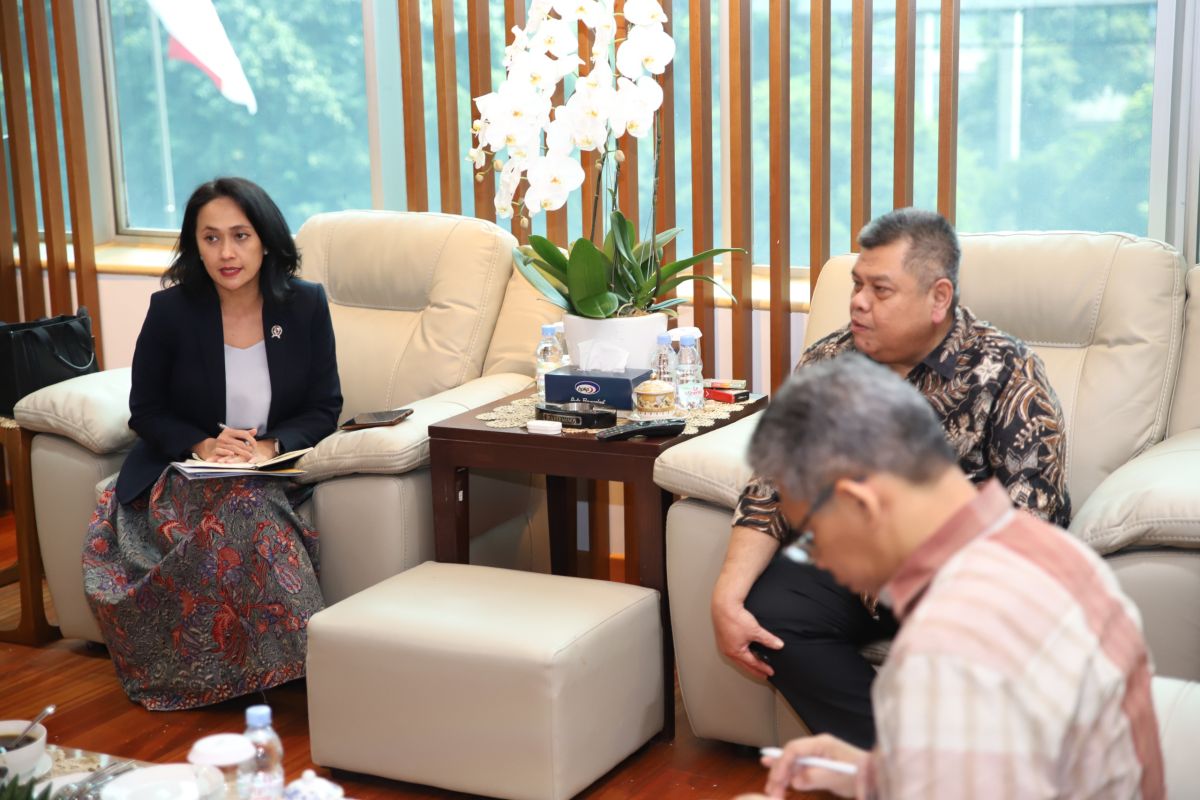
The Ministry for the Protection of Indonesian Migrant Workers (KP2MI) is partnering with the Financial and Development Supervisory Agency (BPKP) to oversee the SMK Go Global programme, an initiative designed to prepare Indonesian workers for international competition. “This is part of the Ministry’s efforts to prepare for the implementation of the SMK Go Global programme,” said Deputy Minister Christina Aryani at the BPKP office in Jakarta on Friday, according to a ministry press release. According to Christina, the programme is part of the government’s steps to improve the quality of human resources so they can compete in the global job market. During the meeting, Christina stated that the consultation with BPKP was conducted to ensure the SMK Go Global programme is implemented in accordance with the principles of good governance, transparency, and accountability. The oversight will primarily focus on procurement processes that will support the programme’s execution. “We want to ensure governance at the Ministry of P2MI, especially the procurement process, complies with regulations. That is why we requested BPKP’s assistance so this programme runs according to applicable principles,” she said. “We want to ensure all processes are on the right track and provide maximum benefits to the public,” Christina added. She noted that the SMK Go Global programme is a government effort to improve the quality and competitiveness of the workforce through vocational education and training tailored to the needs of the international market. According to her, synergy with BPKP will strengthen governance, oversight, and accountability from the planning stage to support the programme’s success. “The Ministry of P2MI is committed to implementing the government’s strategic programmes by prioritising good governance, regulatory compliance, and results that provide tangible benefits for improving the quality of Indonesia’s human resources,” Christina said.