
Ministry of Women's Empowerment and Child Protection drafts gender mainstreaming guidelines for palm oil sector
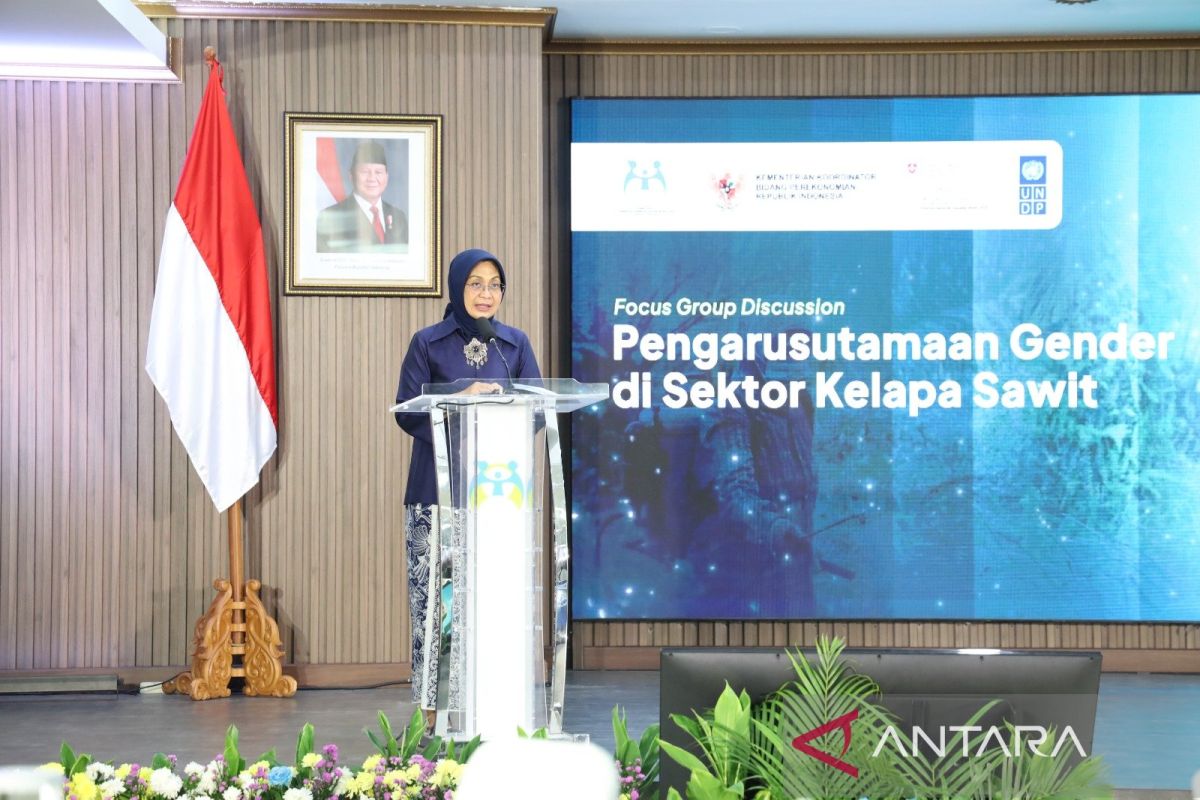
The Ministry of Women’s Empowerment and Child Protection (KemenPPPA) has initiated the development of gender mainstreaming guidelines for the palm oil sector to strengthen gender integration in this strategic industry. ‘The palm oil sector is a strategic industry that significantly contributes to the national economy. Women play a significant role in the sector, whether as workers, farmers, business operators, or community members in plantation areas. However, in practice, women still face various barriers in accessing resource management, financing, labour protection, and decision-making participation,’ said Deputy for Gender Equality at KemenPPPA, Amurwani Dwi Lestariningsih, in Jakarta on Friday. She added that strengthening gender perspectives in the palm oil sector is crucial to ensure women receive equal access, participation, and benefits from development. According to her, developing these guidelines is part of the government’s effort to promote inclusive and sustainable palm oil development while balancing economic, social, and environmental aspects. ‘Gender mainstreaming must be an integral part of sustainable, inclusive, and equitable palm oil sector governance,’ Amurwani Dwi Lestariningsih said. Therefore, she noted that strengthening gender mainstreaming requires cross-sector and multi-stakeholder collaboration to reinforce collective commitment and ensure women have equal opportunities, access, and benefits in Indonesia’s palm oil sector. In developing the gender mainstreaming guidelines for the palm oil sector, various indicators are being promoted to strengthen implementation, including gender-disaggregated data on workers, farmers, and land ownership; capacity building for stakeholders; increasing the number of regions and companies adopting gender-based policies; provision of childcare facilities and nutritional support for pregnant and nursing mothers in the workplace; reducing gender-based wage gaps; and establishing monitoring reports and recommendations for continuous evaluation.