
Ministry of Women's Empowerment and Child Protection develops e-learning module to protect children in digital space
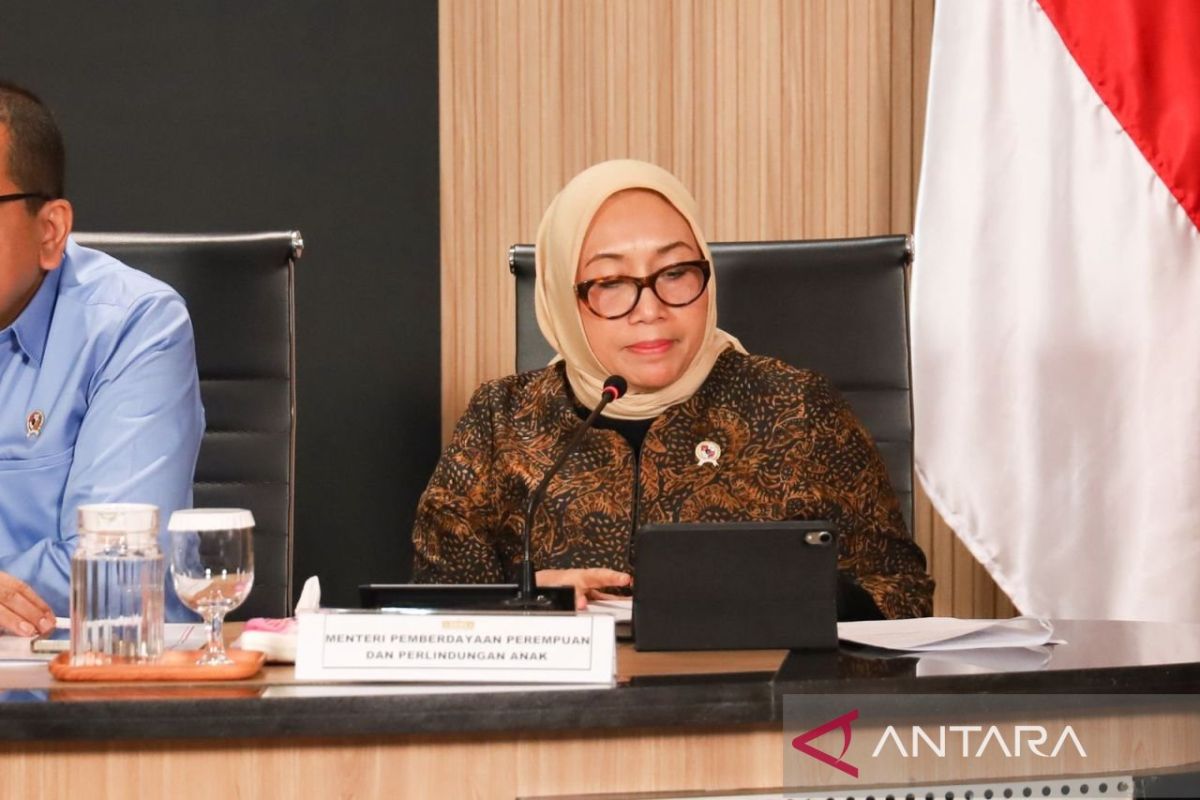
Jakarta (ANTARA) - Minister for Women’s Empowerment and Child Protection Arifah Fauzi, together with Save the Children, is developing an integrated learning module on the KemenPPPA e-learning platform to protect children in the digital space. “All stakeholders, from central and regional governments, civil society organisations, the business world, academics, to the media, must play an active role in creating a safe digital ecosystem for children,” said Minister PPPA Arifah Fauzi in Jakarta on Thursday. The module covers strengthening case management, children’s digital competencies, child safety policies, and parenting in the digital space, which can be accessed by the public at large. KemenPPPA is committed to strengthening child protection in the digital space through the implementation of Government Regulation No. 17 of 2025 on the Governance of Electronic Systems in Child Protection (PP Tunas) and Presidential Regulation No. 87 of 2025 on the Roadmap for Child Protection in the Online Realm. This effort is important given the current high level of digital technology usage among children, with more than 78 percent of children aged 5-17 years already using mobile phones. In fact, internet usage has increased significantly from around 49 percent in 2020 to nearly 74 percent in 2024. “However, this high digital access is also accompanied by increasing risks,” said Minister Arifatul Choiri Fauzi. Data from the 2024 National Survey on Children’s and Adolescents’ Life Experiences (SNPHAR) records that more than 10 percent of children aged 13-17 years have experienced cyberbullying. In addition, around 4 percent of children have experienced non-contact sexual violence in the digital space, such as being forced to watch or send sexually charged content. She said this situation shows the urgency of strengthening child protection that does not only rely on regulations and law enforcement, but also preventive approaches through digital literacy. “Ongoing education is needed so that children can recognise risks, parents can provide guidance, and educators can guide the safe use of technology,” said Arifah Fauzi.