
Ministry of Villages Urges Priority for Underdeveloped Regions in Free Nutritious Meal Programme
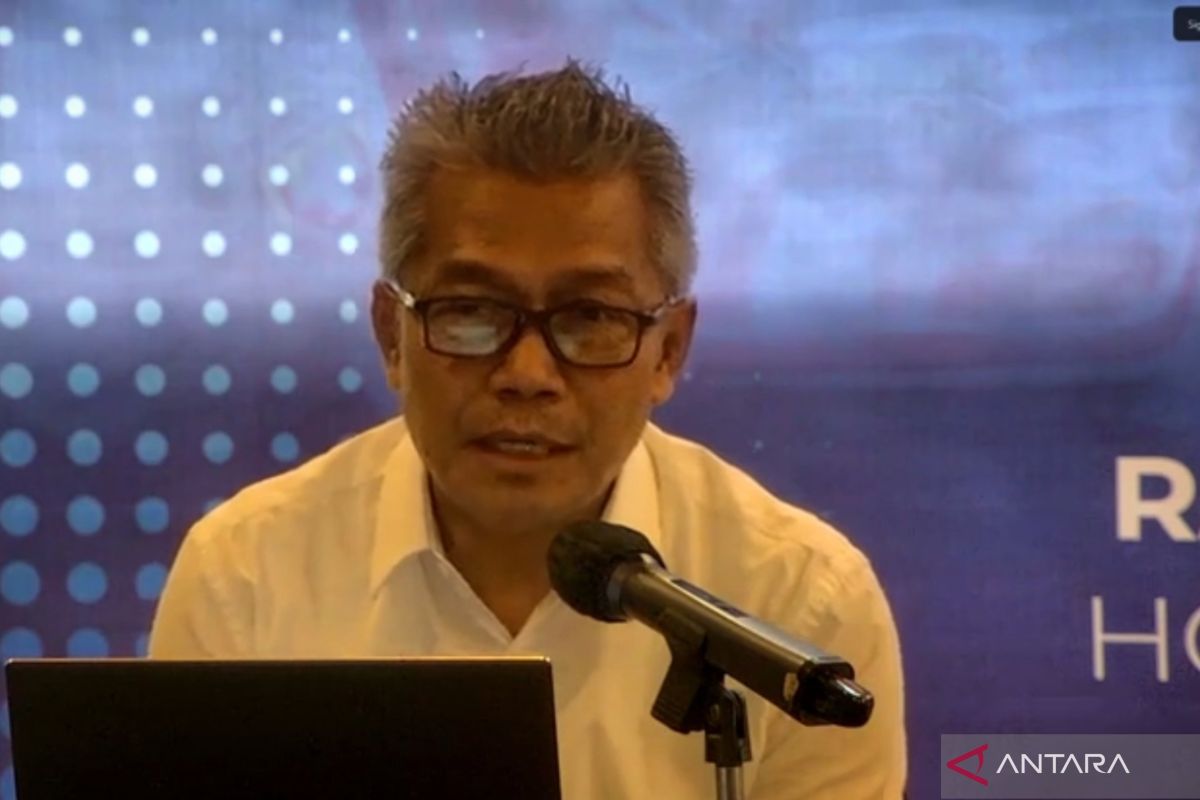
Jakarta (ANTARA) - The Ministry of Villages and Disadvantaged Regions (Kemendes PDT) has requested that the National Nutrition Agency (BGN) prioritise frontier, outermost, and least developed (3T) regions as beneficiaries of the Free Nutritious Meal (MBG) programme.
According to the Director General of the Acceleration of Disadvantaged Regional Development (Dirjen PPDT) at Kemendes PDT, Samsul Widodo, the ministry has coordinated with the National Nutrition Agency several times regarding the implementation of the MBG programme in disadvantaged areas.
“In fact, we have coordinated with the BGN several times, and we are currently processing a letter from the Minister to the Head of the BGN stating that disadvantaged regions must be prioritised,” said Samsul during an Actual Discussion Forum titled “Strategies for Accelerating the Implementation of the MBG Programme in 3T Regions,” held online in Jakarta on Wednesday.
Furthermore, Samsul Widodo noted that there are 30 regencies across the country categorised as disadvantaged areas. He emphasised that the food and nutritional requirements in these regions must be a primary consideration in the execution of the MBG programme.
He cited the limited availability of Nutrition Fulfilment Service Units (SPPG) in several regions, such as Central Sumba, East Nusa Tenggara, as an example of the challenges faced.
He expressed hope that the delivery of the MBG programme in disadvantaged areas could be carried out by taking into account the specific conditions and needs of each region.
Previously, the BGN removed 1,653 educational institutions from the list of MBG programme recipients, redirecting resources to more needy groups, including 3T regions.
The Head of the BGN, Sudaryono, explained that the removed institutions consisted of international schools and high-end private schools.
Sudaryono stated that these schools were those that declined School Operational Assistance (BOS) funds, based on data from the Ministry of Primary and Secondary Education (Kemendikdasmen), which the BGN has since re-confirmed directly.
He added that the confirmation process involved not only speaking with school principals but also conducting collective verification with all parents.