
Ministry of Villages Supports Renewable Energy Implementation in Shrimp Farming
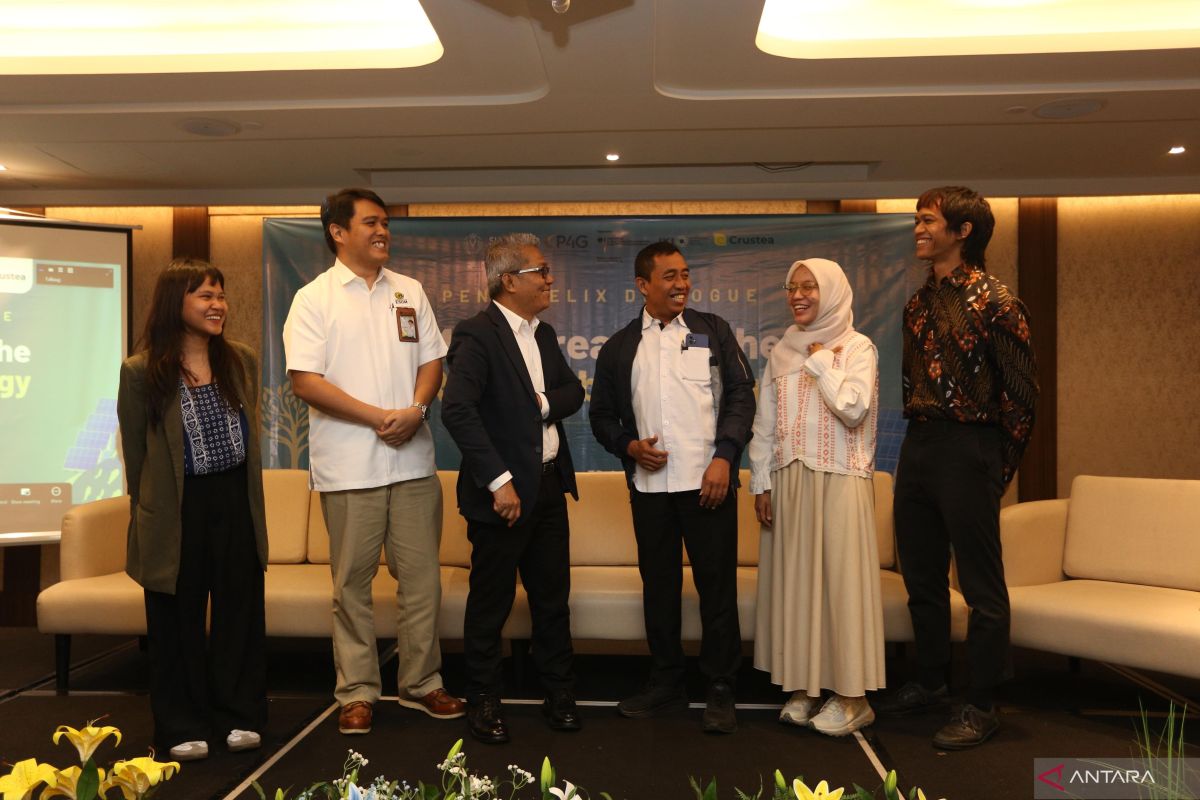
The Ministry of Villages, Development of Disadvantages, and Transmigration (Kemendes PDTT) fully supports the implementation of renewable energy technology in the aquaculture sector to strengthen the efficiency and competitiveness of national shrimp farming.
Samsul Widodo, Director General of the Development of Disadvantaged Regions at Kemendes PDTT, stated in Jakarta on Friday that shrimp farming is a flagship sector producing high-value export commodities, necessitating technological modernisation. “The government supports renewable energy programmes implemented across all sectors, including aquaculture. In addition to utilising village funds, the implementation of this programme can also collaborate with the private sector through CSR,” he said.
The application of clean energy is being realised through the ‘Aquaculture for Climate Resilience’ initiative, using a Climate Resilience Farmers Field School (CRFSS) approach. This combines capacity building for farmers with the implementation of climate-smart technologies. Innovations introduced include the use of solar-powered Eco-Aerators and Internet of Things (IoT) based monitoring systems to lower operational costs, reduce greenhouse gas emissions, and increase productivity.
Naafi Lathifah, a researcher at PT Sustainability & Resilience (su-re.co), explained that the use of hybrid solar panel systems can save PLN electricity consumption for pond aeration by 42 to 50 per cent, based on a pilot project in Gianyar, Bali. The solar panel system, integrated with the PLN grid and batteries, has proven capable of reliably and efficiently supplying power for aerators for 10 hours per day.
“In the Gianyar pilot, the use of solar panels was able to supply the electricity needs of aerators for approximately 10 hours per day. Preliminary results show that the use of solar panels can save PLN electricity consumption by about 42 to 50 per cent,” said Naafi.
She revealed that the programme will subsequently expand the implementation of solar-powered water aerator technology to 10 aquaculture locations in West Nusa Tenggara. Through a pentahelix approach involving the government, private sector, academia, and the community, this collaboration is expected to produce policy recommendations to accelerate the clean energy transition in rural areas.
Source: jawawa.id (https://jawawa.id/newsitem/ministry-of-villages-supports-renewable-energy-implementation-in-shrimp-farming-1785503031)
Originally published by Antara (Indonesian) (https://www.antaranews.com/berita/5674751/kemendes-pdtt-dukung-penerapan-energi-terbarukan-budidaya-tambak-udang), translated from Indonesian