
Ministry of Transportation Strengthens Implementation of Zero ODOL 2027 from Upstream to Downstream
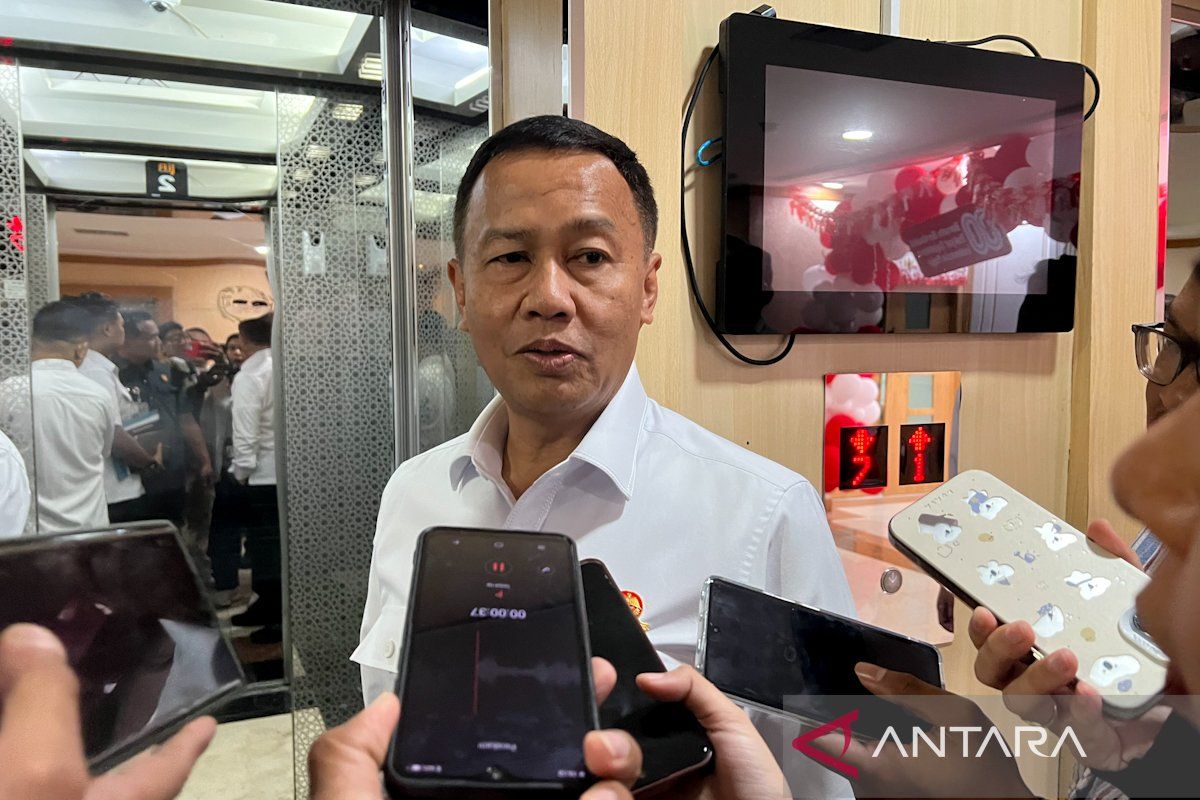
Jakarta (ANTARA) - The Ministry of Transportation is strengthening the implementation of the policy towards zero handling of over-dimension and over-loading (ODOL) vehicles in 2027 comprehensively from upstream to downstream to improve transportation safety and national logistics efficiency. “To realise zero ODOL 2027, the problem of over-dimension and over-loading transport can no longer be handled partially, but must be addressed comprehensively from upstream to downstream,” said the Director General of Land Transportation at the Ministry of Transportation, Aan Suhanan, in his statement in Jakarta on Wednesday. According to him, many view the ODOL problem merely as a traffic violation on the road, but he stressed that all parties must see it as a safety issue that needs to be handled from upstream to downstream because there is a logistics transport ecosystem within it. “Commitment is needed from all parties, both from ministries and agencies, logistics transport operators, to the public to realise zero over-dimension over-load 2027,” he said. He stated that the comprehensive handling of over-dimension and over-loading vehicles is based on the action plan that has been prepared by the government. He mentioned that currently all stakeholders involved are processing steps to address the issues in the logistics transport ecosystem, so that the problem of over-dimension and over-loading trucks can be handled comprehensively from upstream to downstream. “Actually, we already have a roadmap or action plan not only from the supervision and law enforcement side but all those involved in this ecosystem, starting from the welfare of drivers which is being prepared by relevant ministries,” he said. Furthermore, he said that regulatory issues are being processed in the DPR and are being improved to suit the current needs of the logistics transport ecosystem. “For example, the government will provide incentives and disincentives for business actors who comply and those who violate,” Aan explained. Meanwhile, on the supervision side, Aan assessed that the government also needs to get involved from the beginning to carry out more systematic supervision until it can implement more consistent law enforcement. According to him, supervision must start from the goods loading point, then strengthened with digital detection on the road, data integration, and law enforcement so that all parties involved in the logistics distribution process are also monitored and comply with the existing provisions. “The handling must be comprehensive from upstream to downstream so the approach is not just punishing but organising the ecosystem,” he emphasised. With the roadmap and system being built, Aan continued, responsibility will not only be burdened on drivers, but operators or goods owners will also be held legally accountable. Therefore, with the comprehensive action plan and collaboration from all ministries, agencies, to related stakeholders involved in the logistics transport ecosystem, Aan is optimistic that the zero ODOL 2027 target can be realised. He also emphasised the importance of commitment from all ministries/agencies, operators or goods owners, and all levels of society as the starting point of the spirit to realise zero ODOL. “Hopefully with the roadmap we have made and the same commitment from all stakeholders, I am optimistic that in 2027 zero ODOL can be achieved,” said Aan.