
Ministry of Transport Announces Completion of Problem Inventory List for Road Traffic Bill to Strengthen Overdimension Overload Vehicle Regulations
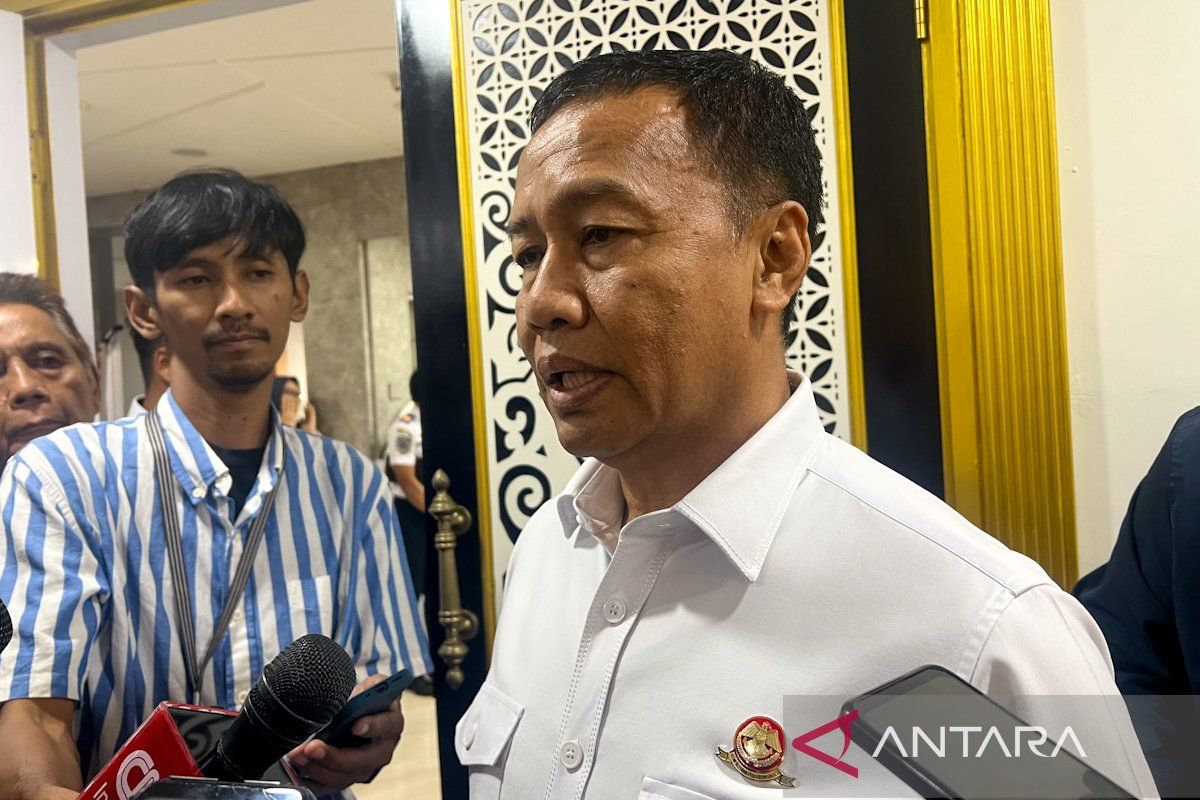
Jakarta (ANTARA) - The Ministry of Transport has announced that the preparation of the Problem Inventory List (DIM) for the Draft Law on Road Traffic and Transport (LLAJ) has been completed.
“The Government has finalised and agreed upon the preparation of the DIM for the Draft Law concerning the Third Amendment to Law Number 22 of 2009 regarding Road Traffic and Transport,” stated the Director General of Land Transportation at the Ministry of Transport, Aan Suhanan, in Jakarta on Friday.
According to him, the DIM will strengthen the regulation of overdimension and overloaded (ODOL) vehicles.
He noted that the Ministry of Transport, acting as the coordinator for the preparation of the Draft Law, along with five other ministries, signed the document this Friday.
The ministries that signed the DIM document include the Ministry of Transport; the Ministry of Public Works; the Ministry of Law; the Ministry of Finance; the Ministry of Communication and Digital; and the Ministry of Micro, Small, and Medium Enterprises (MSMEs).
In drafting the DIM, the Ministry of Transport has pushed for several changes to the Road Traffic Law, including strengthening the regulation of freight transport, particularly regarding sanctions, liability, supervision, and law enforcement for ODOL vehicles.
Aan explained that the supervision and regulation of ODOL vehicles must be strengthened because the issue significantly impacts road safety.
“The Government and the House of Representatives (DPR) share a commitment to strengthening regulations related to overdimension and overloaded vehicles,” he said.
Moving forward, Aan added, it is hoped that legal sanctions and liabilities will not only target drivers but also cargo owners and transport operators to ensure legal justice.
In addition to strengthening sanctions, the Ministry of Transport is also pushing for enhanced data and technology-based supervision to be accommodated within these regulatory changes.
This aligns with the efforts currently undertaken by the Directorate General of Land Transportation to handle ODOL vehicles, which include testing freight supervision through the ETLE Hub system to detect ODOL violations.
He mentioned that the department is currently undergoing a transformation in supervision and law enforcement through IT-based methods using ETLE cameras.
“We hope that technology-based supervision can be accommodated in this regulation, which previously only addressed matters conventionally. Through this strengthening, we hope to improve the logistics transport ecosystem,” said Aan.
Another key substance of attention for the Directorate General of Land Transportation in the amendment of the Road Traffic Law is the development of technology-based transport, which needs to be adjusted to current conditions.
Aan emphasised that such regulations are necessary to ensure that the development of transport services continues to prioritise safety and clarity of responsibility between drivers, MSME actors, and application providers.
In reality, Aan stated, digital-based transport has already evolved, and it is the government’s duty to regulate it, particularly regarding safety, by involving all parties within the digital transport ecosystem.
“Therefore, the government’s role now is to regulate and strengthen these regulations so that the problems that have emerged can be resolved,” he said.
Aan expressed hope that with the completion of the DIM for the Draft Law on Law Number 22 of 2009 regarding Road Traffic and Transport, safety aspects can be further reinforced, thereby encouraging a more orderly, safe, and secure road traffic and transport system.
“Ultimately, these changes or regulatory strengthenings must be able to respond to transport developments while simultaneously reinforcing safety through transparent and fair supervision and law enforcement,” he concluded.