
Ministry of Tourism Designates Jakarta and Bali as Wellness Tourism Pilot Projects
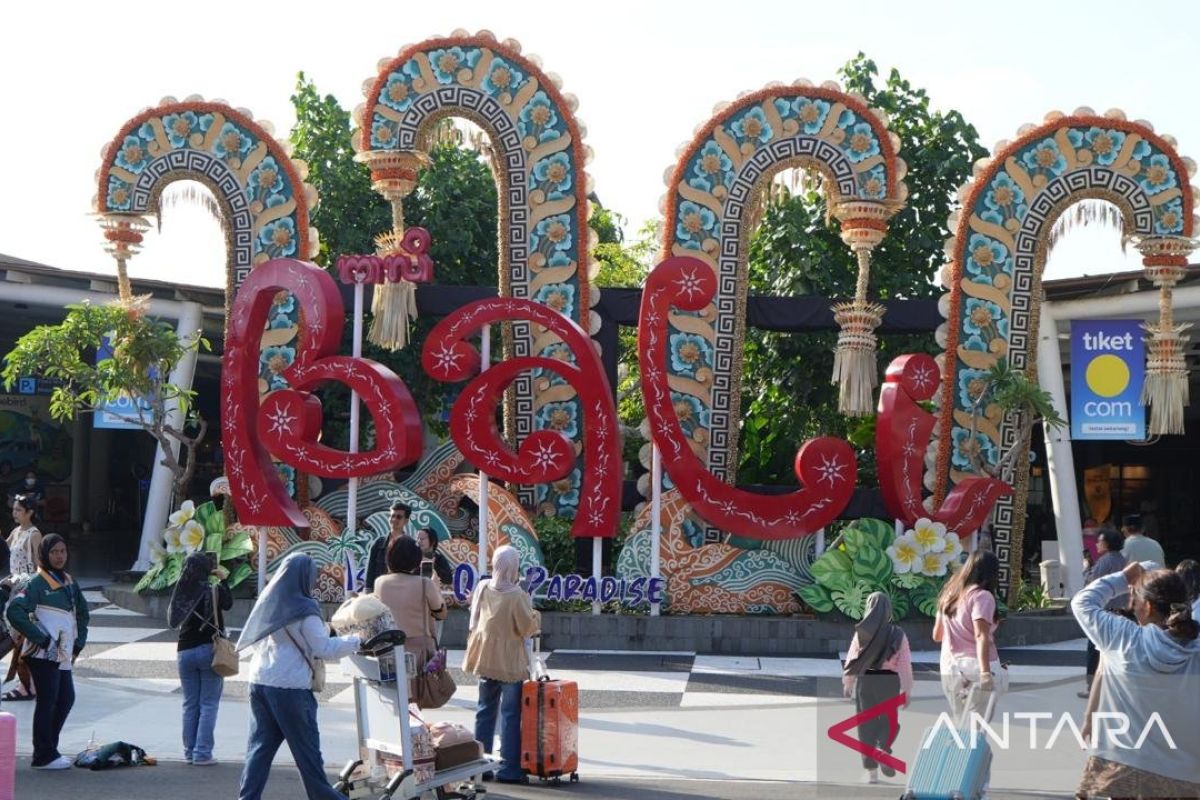
Jakarta (ANTARA) - The cities of Jakarta and Bali have been announced as pilot regions for the development of wellness tourism in Indonesia, according to Ministry of Tourism spokesperson Nia Niscaya.
“We have designated Jakarta and Bali as the initial loci for developing the wellness tourism ecosystem in 2026-2027 because both have the highest level of industry readiness and complementary characteristics,” Nia told ANTARA in Jakarta on Sunday.
She explained that Bali has long been known as a world-class wellness destination, with strengths rooted in its natural beauty, culture, spa services, yoga, and health traditions grounded in local wisdom.
This reputation provides a strong foundation for the regions to continue developing Indonesia’s wellness industry in the global market.
Jakarta, on the other hand, plays a strategic role as the main gateway for international tourists as well as a centre of business and modern healthcare services.
This gives Jakarta significant potential for developing urban wellness tourism that integrates healthy lifestyles, healthcare services, and tourism experiences in urban areas.
“The Ministry of Tourism’s focus is not merely on building wellness destinations. What is more important is building a strong and sustainable wellness business ecosystem,” Nia said.
Nia further views Jakarta and Bali as the right places to start this initiative because the government, particularly the Ministry of Tourism, wants to build an integrated model for developing the wellness ecosystem.
This ecosystem, Nia added, can later be replicated and serve as a model for a number of other destinations in Indonesia.
“The hope is that the success of this model will accelerate the development of wellness tourism nationally, while strengthening Indonesia’s position as a world-class wellness destination capable of delivering economic, social, and environmental benefits sustainably,” she said.
Nia also noted that Indonesia has an advantage in developing wellness tourism that emphasises the balance between body, mind, and soul.
“This becomes the authenticity and hallmark of Indonesian wellness tourism, rooted in the indigenous culture of the archipelago that has developed across various regions of Indonesia,” she added.
Nia recounted that Indonesia’s ancestors possessed knowledge of the balance of body, mind, and soul, as seen in the reliefs of Borobudur Temple, the lontar manuscripts of Bali, and manuscripts from the palaces of the Mataram Islam era.
The authenticity of this wellness culture continues to be preserved, such as spa traditions using a wide variety of spices that differ from region to region, meditation, traditional jamu herbal medicine, aromatherapy, healthy food, and the use of geothermal natural resources.
In 2025, the Ministry of Tourism organised Wonderful Indonesia Wellness (WIW), which serves as an umbrella event for various wellness activities in Indonesia.
Through WIW, the Ministry of Tourism integrates various initiatives and activities that support the strengthening of the national wellness tourism ecosystem.
In addition to collaborating once again with the Jogjakarta Cultural Wellness Festival (JCWF) this year, she said the government will also support various other strategic activities, such as the Wellness Tourism ASEAN-Japan Center event in Bali.
The countries she identified as having a strong preference for wellness tourism — namely those whose tourists spend the most — come from regions that also show great interest in sports tourism and its supporting elements, namely wellness tourism, events, adventure tourism, and experience or integrated area tourism, such as Switzerland, Austria, Belgium, and the United States.
This connection shows that developing sports tourism and its supporting elements — wellness tourism, events, adventure tourism, and experience or integrated area tourism — has the potential not only to increase visitor numbers but also tourist spending, making it an important strategy for improving the quality of Indonesia’s tourism foreign exchange earnings.
Meanwhile, the Wonderful Indonesia Wellness (WIW) 2025 event, held in Yogyakarta Special Region and the city of Surakarta from 1 to 30 November 2025, was attended by many foreign tourists from China, India, Japan, South Korea, Australia, Singapore, Malaysia, and Thailand.
Source: jawawa.id (https://jawawa.id/newsitem/ministry-of-tourism-designates-jakarta-and-bali-as-wellness-tourism-pilot-projects-1785063211)
Originally published by Antara (Indonesian) (https://www.antaranews.com/berita/5666692/kemenpar-jadikan-jakarta-dan-bali-percontohan-wisata-kebugaran), translated from Indonesian