
Ministry of Social Affairs Prepares On-Demand Social Assistance Digitalisation: Those in Need May Apply
The Ministry of Social Affairs (Kemensos) is pushing for the strengthening of social protection through continuously updated data, the digitalisation of social assistance, and community involvement. This data serves as a vital foundation for the Ministry in distributing social aid to those in need.
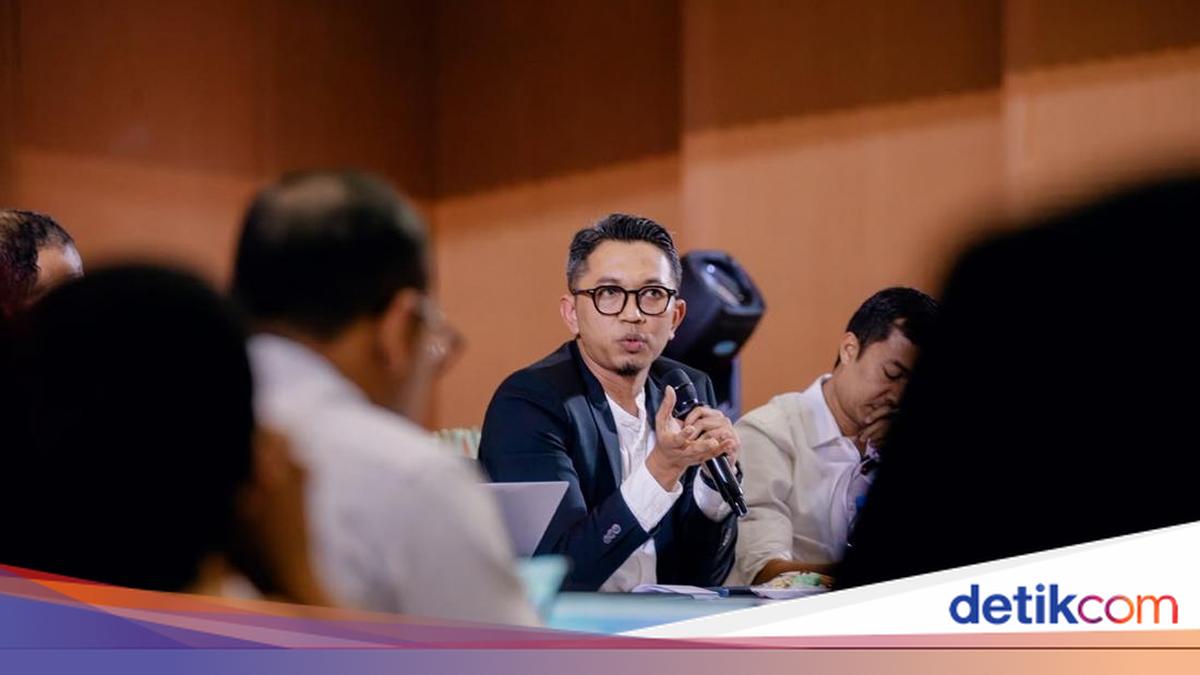
“The Ministry of Social Affairs’ focus is on how to use data to distribute social assistance,” stated Andy Kurniawan, Expert to the Minister of Social Affairs for Planning and Strategic Policy Evaluation, in a written statement on Friday (11/09/2026).
These remarks were made during a discussion on the Methodology of Decile Determination and Poverty Measurement in Indonesia at the STIS Polytechnic of Statistics Auditorium, Jakarta.
He explained that moving forward, social protection will be directed towards using an on-demand mechanism. Members of the public in need of assistance can submit an application, after which the government will verify their eligibility using the DTSEN and other administrative data.
“Those who need it, please ask,” he said.
The application for assistance is also intended to be conducted digitally using identity numbers and biometrics. The system will then match this information with government administrative data to assess the socio-economic condition and eligibility of the individual.
According to Kurniawan, the system requires constantly updated data because the socio-economic conditions of the population can change. Consequently, the government will develop a dynamic social registry to ensure such changes are recorded.
However, he noted that not all citizens are able to register digitally. Therefore, the government is encouraging the National Movement for Caring for Neighbours through ‘Social Protection Agents’ to assist needy residents, including those without mobile devices.
“Who are these agents? They are others who can help others to access and register for social assistance,” he explained.
Social Protection Agents can be drawn from various community elements, such as neighbourhood heads (RT/RW), social assistants, PKK (Family Welfare Movement), religious study groups, community savings groups (arisan), journalists, and even local community leaders (Babinsa).
“Anyone can become a Social Protection Agent,” he said.
The government aims to have more than 50 million families included in the social assistance digitalisation system by the end of 2026. He emphasised that this figure represents a registration target, rather than the total number of social assistance recipients.
“Our target is for more than 50 million families to be included in the social assistance digitalisation data,” he stated.
Once registered, individuals will still undergo an assessment to determine their eligibility for aid. The digitalisation of social assistance is targeted for implementation in the distribution of social aid by 2027.
He reaffirmed that the government remains open to continuously refining the social protection models.
“The government is open to perfecting these models,” he concluded.